EN
EN



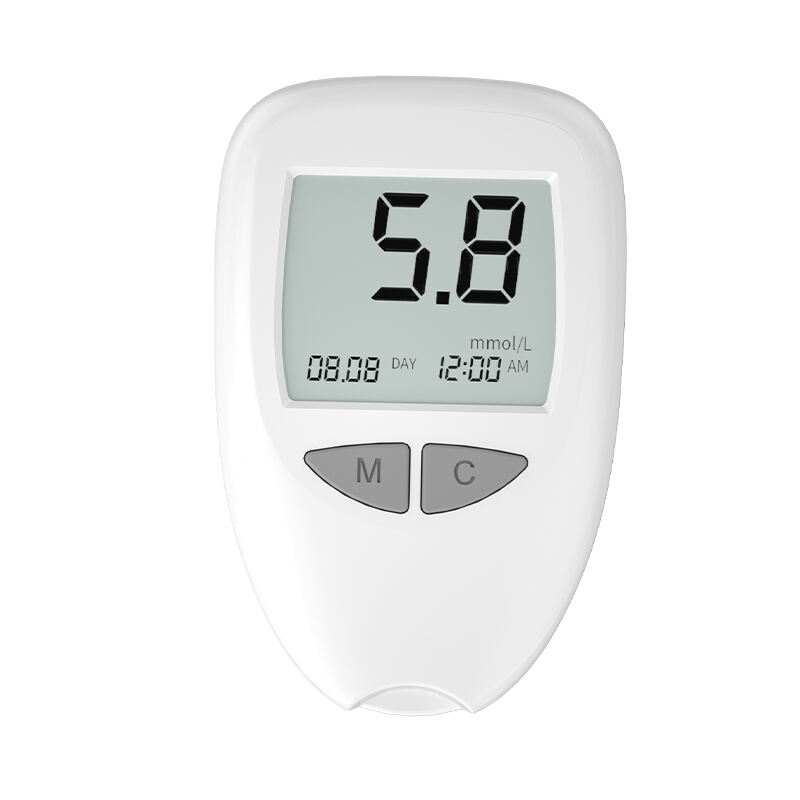
Managing diabetes effectively requires consistent monitoring of blood sugar levels, and a blood glucose monitor serves as an essential tool for millions of people worldwide. These compact devices have revolutionized diabetes care by providing instant, accurate readings that help patients make informed decisions about their health. A blood glucose monitor enables individuals to track their glucose levels throughout the day, allowing for better medication timing, dietary adjustments, and lifestyle modifications that significantly improve overall diabetes management.
Understanding Blood Glucose Monitoring Technology
Core Components and Functionality
Modern blood glucose monitor systems consist of several key components that work together to deliver accurate measurements. The primary device houses sophisticated biosensor technology that analyzes tiny blood samples through electrochemical reactions. Test strips contain specific enzymes that react with glucose in the blood, creating measurable electrical signals that the monitor converts into digital readings. Advanced meters feature memory storage capabilities, allowing users to track patterns and trends over extended periods.
The accuracy of a blood glucose monitor depends on proper calibration and regular maintenance. Most contemporary devices require minimal blood samples, typically just 0.3 to 1.0 microliters, making testing more comfortable for daily use. Temperature compensation features ensure consistent readings across various environmental conditions, while some models include connectivity options for smartphone integration and data sharing with healthcare providers.
Technological Advancements in Glucose Monitoring
Recent innovations in blood glucose monitor technology have focused on enhancing user experience and measurement precision. Newer models incorporate advanced algorithms that reduce interference from common substances like acetaminophen and vitamin C, which historically affected reading accuracy. Some devices now feature alternate site testing capabilities, allowing measurements from forearms or palms rather than fingertips, providing greater comfort for frequent users.
Connectivity features have transformed how patients interact with their monitoring devices. Bluetooth-enabled blood glucose monitors can automatically sync data with mobile applications, creating comprehensive logs that track glucose trends alongside meals, exercise, and medication schedules. This technological integration enables more sophisticated diabetes management strategies and facilitates better communication between patients and healthcare teams.
Clinical Benefits of Regular Blood Glucose Monitoring
Improved Glycemic Control
Regular use of a Blood Glucose Monitor significantly improves glycemic control by providing real-time feedback about blood sugar levels. Clinical studies demonstrate that patients who monitor their glucose levels multiple times daily achieve better HbA1c values compared to those who rely solely on periodic laboratory tests. This immediate feedback allows for prompt adjustments to insulin doses, meal portions, or physical activity levels, preventing dangerous glucose excursions.
The ability to identify patterns through consistent monitoring helps patients understand how various factors affect their blood sugar. Food choices, stress levels, illness, and sleep quality all influence glucose readings, and regular testing with a blood glucose monitor reveals these relationships. This knowledge empowers patients to make proactive lifestyle changes that maintain stable glucose levels throughout the day.
Prevention of Diabetic Complications
Consistent blood glucose monitoring plays a crucial role in preventing long-term diabetic complications. By maintaining glucose levels within target ranges, patients reduce their risk of developing cardiovascular disease, kidney damage, nerve problems, and eye complications. A blood glucose monitor serves as an early warning system, alerting users to potentially dangerous high or low blood sugar episodes before they become medical emergencies.
Research indicates that intensive glucose monitoring and management can reduce the risk of diabetic complications by up to 50% in some patients. The immediate feedback provided by a blood glucose monitor enables rapid intervention when readings fall outside safe ranges, preventing the cumulative damage associated with prolonged hyperglycemia or severe hypoglycemic episodes.
Practical Applications in Daily Diabetes Management
Meal Planning and Carbohydrate Counting
A blood glucose monitor becomes an invaluable tool for meal planning and carbohydrate management. Pre-meal and post-meal testing reveals how different foods affect individual glucose responses, allowing patients to identify which meals maintain stable blood sugar levels. This information enables more accurate carbohydrate counting and insulin-to-carbohydrate ratio calculations, leading to better overall glucose control.
Testing before and after meals with a blood glucose monitor helps patients understand portion control and timing effects on their glucose levels. Some individuals may discover that smaller, more frequent meals work better than traditional three-meal patterns, while others might find that certain food combinations minimize glucose spikes. This personalized approach to nutrition management becomes possible through consistent monitoring data.
Exercise and Activity Monitoring
Physical activity significantly impacts blood glucose levels, and a blood glucose monitor helps patients safely incorporate exercise into their diabetes management routine. Pre-exercise testing ensures glucose levels are appropriate for physical activity, while post-exercise monitoring reveals how different types and intensities of exercise affect individual glucose responses. This information helps prevent exercise-induced hypoglycemia and optimizes the timing of meals and medications around physical activity.
Long-term exercise patterns become apparent through regular blood glucose monitor use, helping patients understand how consistent physical activity improves overall glucose control. Many patients discover that certain types of exercise provide better glucose stability than others, allowing them to develop personalized fitness routines that support their diabetes management goals while maintaining safety.
Selecting the Right Blood Glucose Monitor
Key Features and Specifications
When choosing a blood glucose monitor, several factors deserve careful consideration to ensure optimal diabetes management. Sample size requirements vary between devices, with newer models requiring smaller blood volumes for more comfortable testing. Memory capacity determines how many readings the device can store, which is important for tracking long-term trends and sharing data with healthcare providers during appointments.
Testing speed affects daily convenience, with most modern blood glucose monitors providing results within 5 to 15 seconds. Display size and clarity become particularly important for elderly users or those with vision challenges. Some devices offer talking features or extra-large displays to accommodate various user needs. Battery life and availability of replacement parts also influence long-term usability and cost considerations.
Cost Considerations and Insurance Coverage
The total cost of blood glucose monitoring includes the initial device purchase plus ongoing expenses for test strips, lancets, and control solutions. While the blood glucose monitor itself may be relatively inexpensive, test strip costs can accumulate significantly over time. Insurance coverage varies widely, with some plans covering supplies completely while others require substantial copayments or have strict quantity limitations.
Generic test strips and supplies may offer cost savings, but compatibility with specific blood glucose monitor models must be verified. Some manufacturers offer patient assistance programs or bulk purchasing options that reduce long-term costs. Healthcare providers can often recommend cost-effective monitoring systems that balance accuracy, convenience, and affordability while meeting individual patient needs.
Troubleshooting Common Blood Glucose Monitor Issues
Accuracy and Calibration Problems
Maintaining accuracy in blood glucose monitor readings requires attention to several factors that can affect measurement reliability. Expired or improperly stored test strips produce inaccurate results, making proper storage in cool, dry conditions essential. Temperature extremes, humidity, and altitude can also influence readings, particularly when testing outdoors or in varying climates.
User technique significantly impacts blood glucose monitor accuracy. Insufficient blood samples, contaminated fingertips, or squeezing fingers too hard can alter readings. Regular cleaning of the device and proper hand hygiene before testing help ensure consistent, reliable measurements. Control solution testing verifies that the blood glucose monitor and test strips are functioning correctly and should be performed regularly according to manufacturer recommendations.
Technical Difficulties and Maintenance
Most blood glucose monitor technical issues stem from user error or maintenance oversights rather than device malfunctions. Error messages typically indicate specific problems such as insufficient blood samples, expired strips, or temperature issues. Understanding common error codes and their solutions helps users troubleshoot problems quickly and maintain consistent testing schedules.
Regular maintenance extends blood glucose monitor lifespan and ensures continued accuracy. Battery replacement schedules, cleaning procedures, and software updates help prevent technical difficulties. Some devices require periodic calibration or professional servicing, while others are designed for extended maintenance-free operation. Keeping backup supplies and understanding warranty coverage helps ensure uninterrupted glucose monitoring capabilities.
FAQ
How often should I use my blood glucose monitor?
Testing frequency depends on your diabetes type, treatment plan, and individual circumstances. People with Type 1 diabetes typically test 4-6 times daily, while those with Type 2 diabetes may test 1-3 times daily or as recommended by their healthcare provider. Your blood glucose monitor usage should align with your medication schedule, meal times, and activity levels to provide the most useful information for diabetes management.
What factors can affect blood glucose monitor accuracy?
Several factors can influence blood glucose monitor readings, including expired test strips, extreme temperatures, dehydration, and improper testing technique. Medications, illness, and stress can also affect actual blood glucose levels rather than device accuracy. Ensuring proper storage of supplies, following testing procedures correctly, and using fresh supplies help maintain accurate readings from your blood glucose monitor.
Can I use any test strips with my blood glucose monitor?
Test strips are specifically designed for individual blood glucose monitor models and are not interchangeable between different brands or models. Using incompatible strips can produce inaccurate readings or damage your device. Always verify that test strips match your specific blood glucose monitor model number and check expiration dates before use to ensure reliable results.
What should I do if my blood glucose monitor gives inconsistent readings?
Inconsistent readings may indicate technical problems, expired supplies, or user technique issues. First, check that test strips are not expired and have been stored properly. Perform control solution testing to verify your blood glucose monitor accuracy, and review your testing technique to ensure adequate blood samples and clean hands. If problems persist, contact the manufacturer or your healthcare provider for further guidance.