EN
EN



Hand injuries can significantly impact daily activities and quality of life, making effective rehabilitation essential for optimal recovery. Modern medical technology has introduced innovative solutions to support the healing process, with hand rehab gloves emerging as a game-changing approach to restoring hand function. These specialized devices combine advanced engineering with therapeutic principles to provide targeted support during the recovery journey. Hand rehab gloves represent a significant advancement in rehabilitation technology, offering patients and healthcare professionals a powerful tool to accelerate healing and restore functionality.
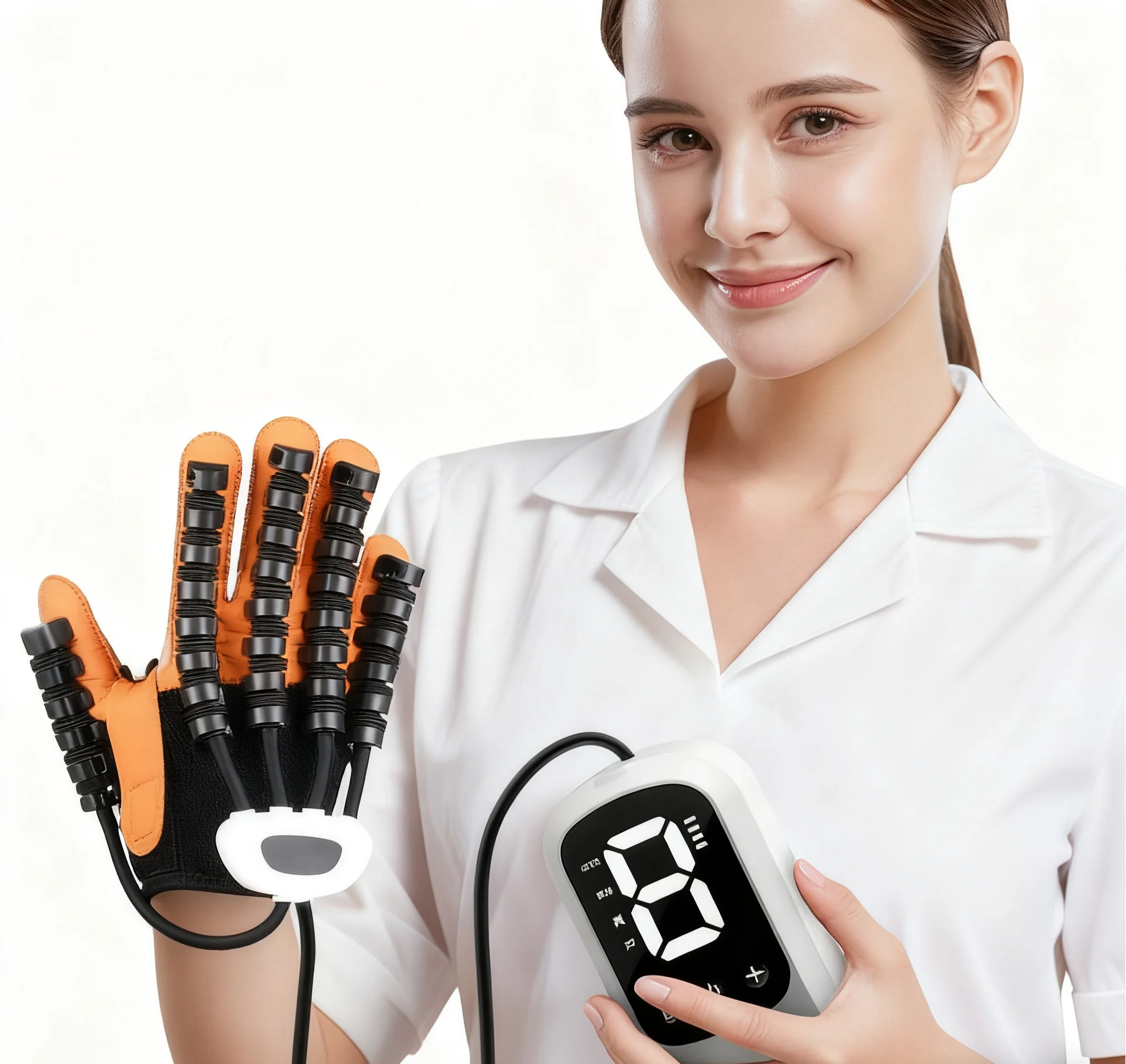
Understanding the Science Behind Hand Rehabilitation Technology
Biomechanical Principles of Hand Recovery
The human hand contains 27 bones, 29 joints, and over 30 muscles, making it one of the most complex structures in the body. When injury occurs, this intricate system requires precise rehabilitation to restore optimal function. Hand rehab gloves utilize biomechanical principles to support natural movement patterns while providing controlled resistance and assistance. The technology behind these devices incorporates sensors and actuators that can detect user intent and provide appropriate feedback to facilitate motor learning and muscle strengthening.
Research has demonstrated that repetitive, task-oriented training significantly improves outcomes in hand rehabilitation. Hand rehab gloves provide this repetitive training in a controlled environment, allowing patients to perform thousands of repetitions with consistent form and intensity. The devices can be programmed to provide varying levels of assistance or resistance, adapting to the patient's current capabilities and gradually increasing challenge as recovery progresses.
Neuroplasticity and Motor Learning Enhancement
Neuroplasticity, the brain's ability to reorganize and form new neural connections, plays a crucial role in recovery after hand injuries. Hand rehab gloves leverage this principle by providing intensive, repetitive training that promotes neural rewiring. The consistent sensory feedback provided by these devices helps strengthen the connection between the brain and injured hand, accelerating the relearning process for motor skills.
The technology incorporated in modern hand rehab gloves includes sophisticated feedback systems that provide real-time information about hand position, grip strength, and movement quality. This immediate feedback helps patients correct movement patterns and develop proper motor control more efficiently than traditional therapy methods alone. Studies have shown that patients using robotic-assisted hand rehabilitation demonstrate faster improvements in motor function compared to conventional therapy approaches.
Clinical Applications and Treatment Protocols
Stroke Recovery and Neurological Rehabilitation
Stroke patients often experience significant hand and finger impairments that can persist long after the initial event. Hand rehab gloves have shown remarkable effectiveness in helping stroke survivors regain hand function through intensive, repetitive training protocols. These devices can provide both passive and active assistance, adapting to the patient's current level of motor control and gradually encouraging more independent movement as recovery progresses.
Clinical protocols for stroke patients typically involve daily sessions with hand rehab gloves, focusing on basic grasping patterns, finger extension exercises, and functional movements. The technology allows therapists to precisely control the level of assistance provided, ensuring that patients are challenged appropriately without becoming frustrated or experiencing fatigue. Long-term studies have demonstrated that patients who incorporate hand rehab gloves into their rehabilitation program show greater improvements in hand function compared to those receiving traditional therapy alone.
Post-Surgical Recovery and Trauma Rehabilitation
Following hand surgery or traumatic injury, patients often face challenges with scar tissue formation, joint stiffness, and muscle weakness. Hand rehab gloves provide controlled mobilization that helps prevent adhesions and maintains joint range of motion during the critical healing period. The gentle, consistent movement provided by these devices helps promote tissue healing while preventing complications associated with prolonged immobilization.
Orthopedic surgeons and hand therapists increasingly recommend hand rehab gloves as part of comprehensive post-surgical rehabilitation protocols. The devices can be programmed to provide specific movement patterns that align with surgical repair techniques, ensuring that healing tissues are mobilized appropriately without compromising surgical outcomes. Patients using these devices often experience faster return to functional activities and reduced complications related to stiffness and adhesions.
Technology Integration and Smart Features
Sensor Technology and Real-Time Monitoring
Modern hand rehab gloves incorporate advanced sensor technology that provides detailed information about hand and finger movements. These sensors can detect position, velocity, force, and muscle activation patterns, creating a comprehensive picture of the patient's motor performance. This data is invaluable for therapists in tracking progress and adjusting treatment protocols to maximize outcomes.
The integration of smart sensors allows hand rehab gloves to provide personalized training programs that adapt to individual patient needs. Machine learning algorithms analyze movement patterns and automatically adjust difficulty levels, ensuring that patients are consistently challenged at an appropriate level. This personalized approach has been shown to improve patient engagement and accelerate recovery outcomes compared to one-size-fits-all rehabilitation approaches.
Connectivity and Data Analytics
Many hand rehab gloves now feature connectivity options that allow data to be transmitted to healthcare providers and integrated into electronic health records. This connectivity enables remote monitoring of patient progress and allows therapists to make real-time adjustments to treatment protocols. The ability to track patient compliance and performance metrics provides valuable insights into the effectiveness of different rehabilitation strategies.
Data analytics capabilities built into hand rehab gloves systems provide detailed reports on patient progress, including improvements in range of motion, grip strength, and functional task performance. This objective data helps justify continued therapy and provides evidence of improvement that may not be apparent through subjective assessments alone. Healthcare providers can use this information to optimize treatment protocols and demonstrate outcomes to patients and insurance providers.
Patient Benefits and Quality of Life Improvements
Enhanced Independence and Functional Outcomes
One of the most significant benefits of hand rehab gloves is their ability to help patients regain independence in daily activities. The intensive training provided by these devices helps restore fine motor control necessary for tasks such as writing, eating, and personal care activities. Patients often report improved confidence and reduced frustration as their hand function improves through consistent use of rehabilitation technology.
Functional outcome studies demonstrate that patients using hand rehab gloves achieve better results in standardized hand function assessments compared to those receiving conventional therapy alone. These improvements translate into real-world benefits, with patients returning to work and recreational activities sooner than expected. The ability to perform meaningful activities independently has profound psychological benefits that contribute to overall recovery and well-being.
Pain Management and Comfort
Hand injuries often involve significant pain and discomfort that can interfere with rehabilitation efforts. Hand rehab gloves provide gentle, controlled movement that can help reduce pain through improved circulation and reduced stiffness. The consistent movement patterns help prevent the development of trigger points and muscle tension that commonly develop during periods of reduced activity.
Many patients report that using hand rehab gloves provides a form of active pain relief, as the controlled movements help maintain joint mobility without the sharp pain often associated with manual stretching. This pain reduction allows patients to participate more fully in their rehabilitation program and achieve better outcomes over time. The psychological benefits of reduced pain also contribute to improved motivation and compliance with treatment protocols.
Implementation in Clinical Practice
Integration with Traditional Therapy Methods
Hand rehab gloves are most effective when integrated into a comprehensive rehabilitation program that includes traditional therapy methods. Occupational therapists and physiotherapists work closely with patients to develop combined treatment protocols that leverage both high-tech and traditional approaches. This integration ensures that patients receive the benefits of intensive robotic training while also developing the problem-solving skills necessary for real-world function.
Clinical research supports the use of hand rehab gloves as a complement to, rather than replacement for, traditional therapy methods. The combination of robotic training and therapist-guided activities has been shown to produce superior outcomes compared to either approach used in isolation. Therapists can use the objective data provided by hand rehab gloves to guide manual therapy techniques and functional training activities.
Training and Education Requirements
Successful implementation of hand rehab gloves requires appropriate training for healthcare providers and patients. Therapists must understand the technology and its capabilities to effectively integrate these devices into treatment protocols. Comprehensive training programs help ensure that healthcare providers can maximize the benefits of hand rehab gloves while avoiding potential complications or misuse.
Patient education is equally important for successful outcomes with hand rehab gloves. Patients must understand proper use techniques, safety precautions, and realistic expectations for recovery timelines. Clear communication about the role of technology in rehabilitation helps patients maintain motivation and compliance throughout their recovery journey. Ongoing support and education help ensure long-term success with these innovative rehabilitation tools.
Future Developments and Innovations
Artificial Intelligence and Machine Learning Integration
The future of hand rehab gloves lies in the integration of artificial intelligence and machine learning technologies that can provide even more personalized and effective treatment protocols. These advanced systems will be able to analyze vast amounts of patient data to identify optimal treatment strategies for specific injury types and patient characteristics. Machine learning algorithms will continuously refine treatment protocols based on patient response patterns and outcome data.
Emerging AI technologies will enable hand rehab gloves to provide predictive analytics that can forecast recovery timelines and identify potential complications before they occur. This predictive capability will allow healthcare providers to proactively adjust treatment protocols and prevent setbacks in the recovery process. The integration of AI will make hand rehab gloves even more effective tools for achieving optimal rehabilitation outcomes.
Virtual Reality and Gamification Features
Future generations of hand rehab gloves will likely incorporate virtual reality and gamification features to enhance patient engagement and motivation. These technologies can transform repetitive rehabilitation exercises into engaging activities that maintain patient interest and encourage consistent participation. Virtual reality environments can provide realistic simulations of daily activities, allowing patients to practice functional tasks in a safe and controlled setting.
Gamification elements such as progress tracking, achievement badges, and competitive features can significantly improve patient compliance with rehabilitation protocols. Research has shown that patients who are engaged and motivated achieve better outcomes in rehabilitation programs. The combination of hand rehab gloves with immersive technologies represents an exciting frontier in rehabilitation medicine that promises to revolutionize the recovery experience.
FAQ
How long does it take to see improvements when using hand rehab gloves
Most patients begin to notice improvements in hand function within 2-4 weeks of consistent use of hand rehab gloves. However, the timeline for recovery varies significantly depending on the type and severity of injury, patient age, and overall health status. Stroke patients may require several months of intensive training to achieve maximum benefits, while those recovering from minor injuries may see substantial improvements in just a few weeks. Consistent daily use and adherence to prescribed protocols are essential for optimal outcomes.
Are hand rehab gloves suitable for all types of hand injuries
Hand rehab gloves are beneficial for a wide range of conditions, including stroke recovery, spinal cord injuries, traumatic brain injuries, and post-surgical rehabilitation. However, they may not be appropriate for patients with certain medical conditions such as severe spasticity, open wounds, or uncontrolled seizures. A qualified healthcare provider should evaluate each patient's specific condition to determine if hand rehab gloves are appropriate and safe for their rehabilitation program.
Can hand rehab gloves be used at home or only in clinical settings
Many hand rehab gloves are designed for both clinical and home use, allowing patients to continue their rehabilitation program outside of formal therapy sessions. Home-based systems typically feature simplified controls and safety features that make them suitable for independent use. However, initial training and periodic supervision by healthcare professionals are recommended to ensure proper technique and safety. The ability to use hand rehab gloves at home significantly increases the amount of training time available and can accelerate recovery outcomes.
What safety considerations should patients be aware of when using hand rehab gloves
Safety is a primary concern when using any rehabilitation technology, and hand rehab gloves incorporate multiple safety features to protect patients during training sessions. Patients should be aware of proper positioning techniques, appropriate force settings, and signs that indicate the need to stop or adjust the training session. Common safety considerations include monitoring for skin irritation, excessive fatigue, or increased pain during use. Healthcare providers should provide comprehensive safety training and establish clear protocols for emergency situations or equipment malfunctions.