EN
EN



Modern home blood pressure machines have achieved remarkable accuracy levels that rival clinical-grade equipment used in medical facilities. The answer to whether these devices provide reliable readings is a resounding yes, with most validated home monitors delivering accuracy within 3-5 mmHg of professional mercury sphygmomanometers when used correctly. This level of precision has transformed home healthcare monitoring, allowing millions of patients to track their cardiovascular health with confidence between medical appointments.
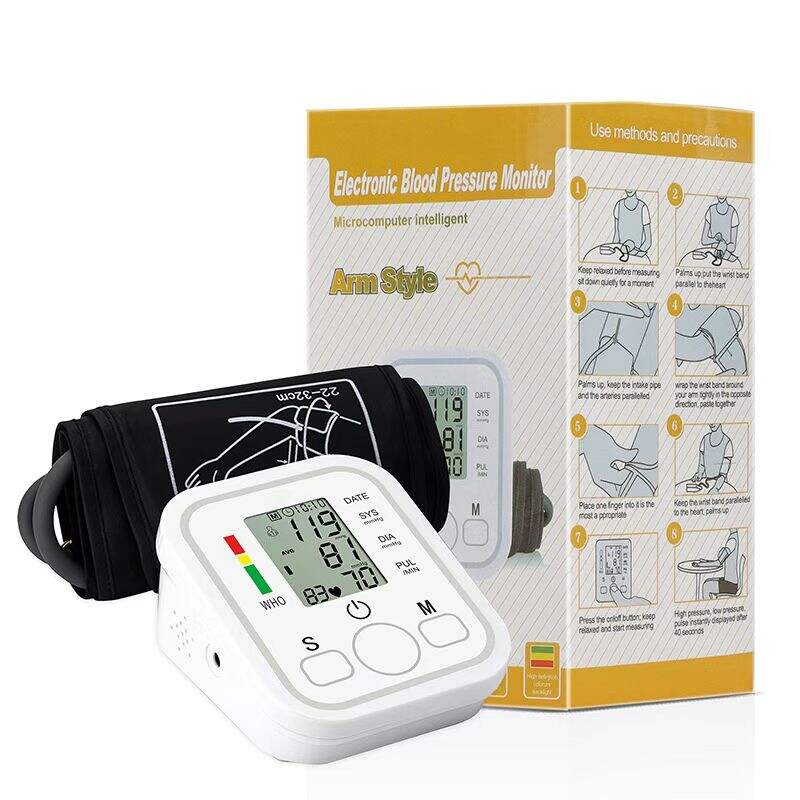
The accuracy of a blood pressure machine depends on several critical factors including sensor technology, calibration protocols, and proper usage techniques. Understanding these elements helps users maximize the reliability of their home monitoring system and make informed decisions about their cardiovascular health management. Medical professionals increasingly recommend validated home monitors as essential tools for comprehensive hypertension management and early detection of blood pressure irregularities.
Technical Foundation of Blood Pressure Machine Accuracy
Oscillometric Measurement Technology
Contemporary home blood pressure machines utilize advanced oscillometric technology that measures arterial wall oscillations during cuff deflation. This method analyzes the amplitude variations of pressure pulses transmitted through the arterial wall to determine both systolic and diastolic readings. The sophisticated algorithms in modern devices can detect minute pressure changes with remarkable precision, often surpassing the consistency of manual auscultatory methods performed by healthcare providers.
The oscillometric approach eliminates human error associated with stethoscope-based measurements, such as auditory interpretation variations and observer bias. Digital sensors in quality blood pressure machines can detect oscillation patterns that human ears might miss, particularly in patients with weak pulse sounds or irregular heart rhythms. This technological advancement has made home monitoring more reliable than ever before.
Advanced signal processing capabilities in modern units filter out motion artifacts and environmental interference that could compromise reading accuracy. The integration of multiple measurement cycles and averaging algorithms further enhances the precision of each blood pressure assessment, providing users with clinically relevant data for health management decisions.
Calibration Standards and Validation Protocols
Reputable blood pressure machine manufacturers adhere to strict international validation standards, including protocols established by the British Hypertension Society, the European Society of Hypertension, and the Association for the Advancement of Medical Instrumentation. These rigorous testing procedures ensure that devices meet specific accuracy criteria before reaching consumers, with validation studies involving hundreds of participants across diverse demographic groups.
The validation process requires manufacturers to demonstrate that their blood pressure machine produces readings within acceptable tolerance ranges when compared to reference standards. This typically involves simultaneous measurements using the test device and a calibrated mercury sphygmomanometer, with trained observers ensuring proper technique and measurement conditions.
Factory calibration procedures involve precision testing against certified pressure standards, with quality control measures ensuring each unit meets specified accuracy tolerances. Many manufacturers implement multi-point calibration checks throughout the production process, guaranteeing that devices maintain their precision across the entire measurement range from low-normal to hypertensive blood pressure levels.
Factors Affecting Measurement Accuracy
Cuff Size and Positioning Requirements
Proper cuff sizing represents the most critical factor determining blood pressure machine accuracy, with incorrect cuff dimensions causing measurement errors of 10-40 mmHg in some cases. The cuff bladder should encircle 80-100% of the upper arm circumference, with the cuff width measuring approximately 40% of the arm circumference for optimal accuracy. Using an undersized cuff consistently produces falsely elevated readings, while oversized cuffs may underestimate true blood pressure values.
Cuff positioning directly impacts measurement reliability, requiring placement at heart level with the lower edge positioned 1-2 inches above the elbow crease. The arm should remain relaxed and supported during measurement, avoiding muscle tension that can artificially elevate readings. Modern blood pressure machines often include positioning indicators and sensors that alert users to improper cuff placement, helping ensure consistent measurement conditions.
The importance of maintaining consistent positioning cannot be overstated, as variations in arm height relative to heart level can alter readings by 2 mmHg for every inch of deviation. Quality blood pressure machines include detailed positioning guides and visual cues to help users achieve optimal measurement conditions with each use.
Environmental and User Variables
Environmental factors significantly influence blood pressure machine performance, with temperature extremes, electromagnetic interference, and altitude variations potentially affecting measurement accuracy. Most quality devices operate optimally within specific temperature and humidity ranges, typically between 50-104°F and relative humidity below 85%. Storage in extreme conditions can affect internal sensors and calibration, emphasizing the need for proper device care and storage protocols.
User-related variables including recent physical activity, caffeine consumption, smoking, and emotional stress can substantially impact blood pressure readings regardless of device accuracy. The blood pressure machine itself may be perfectly calibrated, but physiological factors can cause genuine blood pressure fluctuations that appear as measurement inconsistencies. Understanding these variables helps users interpret readings within appropriate clinical context.
Timing considerations play a crucial role in measurement consistency, with blood pressure naturally varying throughout the day due to circadian rhythms, meal timing, and activity patterns. Standardizing measurement times and conditions helps users establish baseline patterns and identify genuine changes in cardiovascular status versus normal physiological variations.
Validation Standards and Clinical Performance
International Accuracy Certification Requirements
Blood pressure machine validation follows internationally recognized protocols that require extensive clinical testing under controlled conditions. The International Protocol for validation of automated blood pressure measuring devices establishes specific accuracy criteria, requiring devices to demonstrate mean differences within 5 mmHg and standard deviations within 8 mmHg when compared to reference measurements. These stringent requirements ensure that validated devices provide clinically acceptable accuracy for home use applications.
Validation studies typically involve 85-100 participants representing diverse age groups, blood pressure ranges, and arm circumferences to ensure device accuracy across varied patient populations. The testing protocol includes multiple measurements per participant using both the test device and reference standard, with strict adherence to standardized measurement procedures and environmental conditions.
Certified blood pressure machines display validation marks from recognized organizations, providing consumers with confidence in device accuracy and clinical reliability. These certification processes require manufacturers to submit detailed technical documentation, clinical study results, and quality management system evidence, ensuring comprehensive evaluation of device performance and manufacturing consistency.
Real-World Clinical Performance Studies
Clinical studies consistently demonstrate that validated home blood pressure machines provide accuracy comparable to clinical measurements when used according to manufacturer guidelines. Large-scale research involving thousands of patients shows that properly used home devices achieve correlation coefficients exceeding 0.85 with simultaneous clinical measurements, indicating excellent agreement between home and professional readings.
Long-term accuracy studies reveal that quality blood pressure machines maintain their precision over extended use periods, with minimal drift in calibration when properly maintained. Research spanning multiple years demonstrates that devices meeting validation standards continue providing accurate readings throughout their intended lifespan, supporting reliable long-term health monitoring applications.
Comparative studies between different blood pressure machine technologies show that oscillometric devices generally provide more consistent results than auscultatory methods, particularly for patients with irregular heart rhythms or weak pulse sounds. This consistency advantage makes automated home devices particularly valuable for individuals requiring frequent blood pressure monitoring for chronic condition management.
Optimization Strategies for Maximum Accuracy
Proper Measurement Technique Protocols
Achieving optimal blood pressure machine accuracy requires adherence to standardized measurement protocols that minimize variables affecting reading reliability. Users should remain seated quietly for 5 minutes before measurement, avoiding conversation, movement, or distractions during the reading process. The measurement arm should be bare, relaxed, and supported at heart level, with feet flat on the floor and back supported against a chair.
Multiple measurement protocols enhance accuracy by identifying and averaging out random variations in individual readings. Taking 2-3 measurements separated by 1-2 minute intervals and calculating the average provides more reliable results than single measurements. This approach helps account for natural blood pressure fluctuations and reduces the impact of measurement artifacts on clinical decision-making.
Consistent timing protocols improve the clinical value of home blood pressure monitoring, with measurements taken at the same times daily providing the most useful trending data. Morning and evening measurements, taken before medication and meals, establish baseline patterns that help healthcare providers assess treatment effectiveness and make informed medication adjustments.
Maintenance and Calibration Considerations
Regular maintenance protocols ensure continued blood pressure machine accuracy throughout the device lifespan, with simple care procedures preventing degradation of measurement precision. Cuff inspection should be performed monthly, checking for wear, leaks, or damage that could compromise measurement accuracy. The device housing should be cleaned according to manufacturer specifications, avoiding harsh chemicals or excessive moisture that might damage internal components.
Professional calibration verification should be performed annually or as recommended by the manufacturer, comparing device readings against certified reference standards. Many healthcare facilities offer calibration checking services, allowing users to verify their blood pressure machine accuracy against clinical-grade equipment. This verification process helps identify devices requiring service or replacement due to calibration drift.
Battery maintenance plays a crucial role in measurement accuracy, with low power levels potentially affecting sensor performance and reading reliability. Regular battery replacement according to manufacturer recommendations ensures consistent device operation and prevents accuracy degradation associated with insufficient power supply to measurement circuits.
Clinical Integration and Healthcare Applications
Healthcare Provider Acceptance and Guidelines
Medical professionals increasingly embrace validated home blood pressure machines as essential tools for comprehensive cardiovascular care, recognizing their value in providing continuous monitoring data between clinical visits. Professional medical organizations, including the American Heart Association and European Society of Cardiology, officially recommend home blood pressure monitoring for patients with hypertension, acknowledging the clinical utility of accurate home measurements.
Integration of home blood pressure data into electronic health records enables healthcare providers to make more informed treatment decisions based on comprehensive pressure patterns rather than isolated clinical readings. This approach helps identify white coat hypertension, masked hypertension, and medication timing optimization opportunities that single-point clinical measurements might miss.
Telemedicine applications increasingly rely on accurate home blood pressure machines to enable remote patient monitoring and virtual care delivery. The accuracy and reliability of modern home devices support these emerging healthcare delivery models by providing clinically reliable data for remote assessment and treatment adjustment decisions.
Patient Empowerment and Self-Management
Accurate home blood pressure machines empower patients to take active roles in managing their cardiovascular health, providing immediate feedback on lifestyle modifications and medication effectiveness. The reliability of modern devices gives patients confidence in their self-monitoring capabilities, encouraging consistent measurement habits that improve long-term health outcomes.
Educational initiatives supported by accurate blood pressure machine data help patients understand their cardiovascular health patterns and identify factors that influence their blood pressure trends. This knowledge enables informed lifestyle decisions and improved medication compliance, contributing to better overall cardiovascular health management.
The psychological benefits of reliable home monitoring include reduced anxiety about blood pressure status and increased sense of control over health management. Patients report greater confidence in their health management when using validated blood pressure machines that provide consistent, trustworthy results aligned with clinical measurements.
FAQ
How often should I calibrate my home blood pressure machine?
Most home blood pressure machines should be calibrated annually or according to manufacturer recommendations, though devices used frequently may benefit from semi-annual calibration checks. Professional calibration verification involves comparing your device against certified clinical equipment to ensure continued accuracy. If you notice consistently different readings compared to clinical measurements, or if your device has been dropped or exposed to extreme conditions, immediate calibration checking is recommended regardless of the normal schedule.
Can blood pressure machines give different readings on the same person within minutes?
Yes, blood pressure naturally fluctuates minute by minute due to factors like breathing patterns, arm position, stress levels, and normal cardiovascular responses. Quality blood pressure machines accurately reflect these natural variations, which is why medical guidelines recommend taking multiple measurements and averaging the results. Variations of 5-10 mmHg between consecutive readings are normal and reflect genuine physiological changes rather than device inaccuracy.
Are expensive blood pressure machines significantly more accurate than budget models?
Price does not directly correlate with accuracy for blood pressure machines, as many moderately priced devices that meet international validation standards provide excellent accuracy comparable to expensive models. The key factor is validation certification rather than price, though expensive devices may offer additional features like larger displays, memory storage, or connectivity options. Focus on choosing a validated device appropriate for your arm size and specific health monitoring needs rather than assuming higher cost equals better accuracy.
What should I do if my home blood pressure machine readings consistently differ from clinic measurements?
Consistent differences between home and clinic readings may indicate white coat syndrome, improper home technique, or device calibration issues. First, verify that you are following proper measurement protocols including correct cuff size, positioning, and timing. If technique is correct, have your device professionally calibrated or compared against clinical equipment. Discuss persistent differences with your healthcare provider, as they may reflect genuine blood pressure variations between settings rather than device problems, which can be clinically important for treatment decisions.
Table of Contents
- Technical Foundation of Blood Pressure Machine Accuracy
- Factors Affecting Measurement Accuracy
- Validation Standards and Clinical Performance
- Optimization Strategies for Maximum Accuracy
- Clinical Integration and Healthcare Applications
-
FAQ
- How often should I calibrate my home blood pressure machine?
- Can blood pressure machines give different readings on the same person within minutes?
- Are expensive blood pressure machines significantly more accurate than budget models?
- What should I do if my home blood pressure machine readings consistently differ from clinic measurements?