
 EN
EN


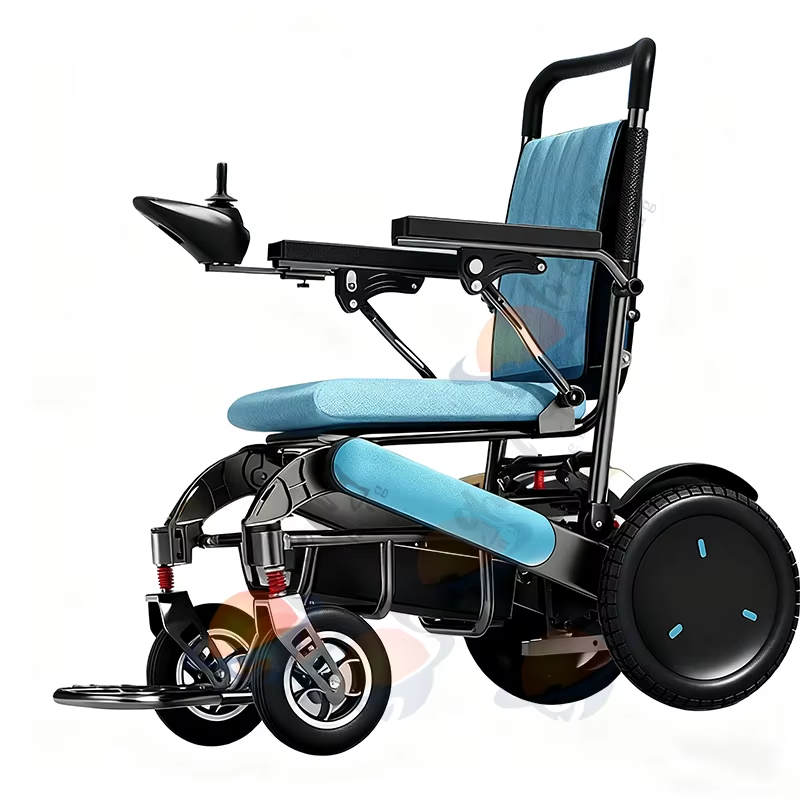
Modern mobility solutions have revolutionized the way individuals with physical disabilities navigate their daily lives. A motorized wheelchair represents one of the most significant advancements in assistive technology, offering unprecedented independence and freedom to users who require enhanced mobility support. Unlike traditional manual wheelchairs that depend on upper body strength or caregiver assistance, a motorized wheelchair provides effortless movement through electric propulsion systems, enabling users to travel longer distances with minimal fatigue.
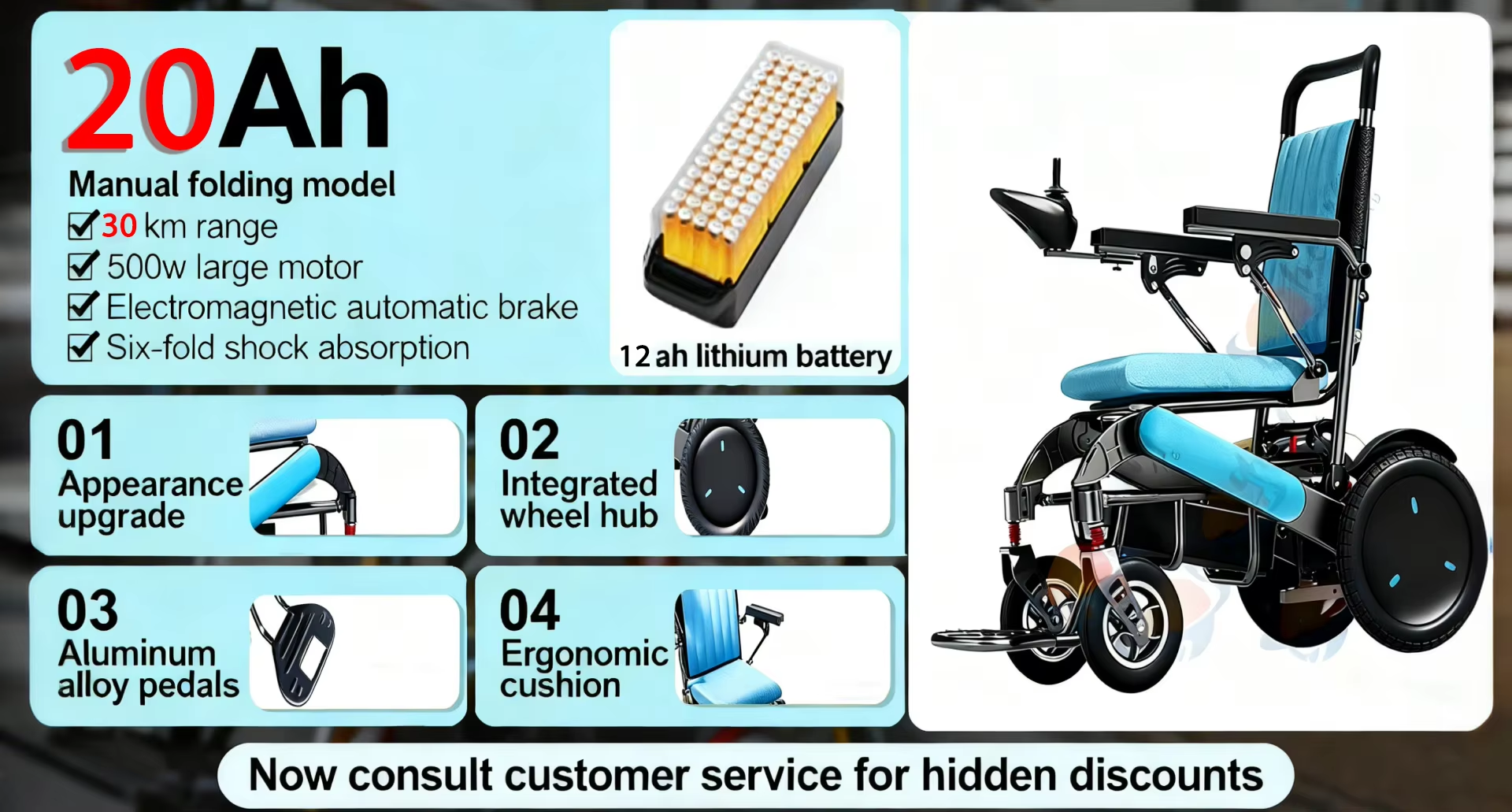
The investment in a motorized wheelchair extends far beyond simple transportation, encompassing improved quality of life, enhanced social participation, and greater psychological well-being. Healthcare professionals consistently recommend electric mobility devices for patients who experience limited upper body strength, chronic fatigue, or progressive conditions that affect manual propulsion capabilities. These sophisticated devices incorporate advanced battery technology, precision control systems, and ergonomic design principles to deliver optimal performance across various environments and terrains.
Understanding the Technology Behind Modern Electric Mobility
Advanced Propulsion Systems and Battery Technology
Contemporary motorized wheelchair designs utilize cutting-edge electric motor technology that delivers smooth, reliable performance across diverse environmental conditions. High-efficiency brushless motors provide quiet operation while maximizing battery life, allowing users to travel extended distances without frequent charging interruptions. Lithium-ion battery systems have largely replaced traditional lead-acid batteries, offering superior energy density, reduced weight, and longer operational lifespans that significantly enhance the overall user experience.
The integration of regenerative braking systems in premium motorized wheelchair models captures kinetic energy during deceleration, converting it back to stored electrical energy that extends operational range. Smart charging systems incorporate microprocessor controls that optimize charging cycles, prevent overcharging, and maintain optimal battery health throughout the device's operational lifespan. These technological advances ensure that users can depend on their motorized wheelchair for consistent daily transportation needs without concerns about sudden power loss or premature battery degradation.
Precision Control and Navigation Features
Modern motorized wheelchair control systems employ sophisticated joystick interfaces that translate minimal hand movements into precise directional commands and speed adjustments. Programmable control modules allow healthcare professionals and users to customize acceleration profiles, maximum speed limits, and turning sensitivity to match individual capabilities and preferences. Advanced models incorporate multiple driving profiles that can be easily switched to accommodate different environments, such as indoor navigation requiring precise maneuvering versus outdoor travel demanding higher speeds.
Electronic stability systems continuously monitor wheel traction and automatically adjust power distribution to maintain optimal control during turns, inclines, and various surface conditions. Anti-tip mechanisms engage automatically when sensors detect potentially dangerous situations, preventing backward tipping during steep ascents or sudden stops. These safety features work seamlessly in the background, allowing users to focus on their destination rather than constantly monitoring their motorized wheelchair's operational parameters.
Health Benefits and Medical Advantages
Preventing Secondary Health Complications
Regular use of a motorized wheelchair can significantly reduce the risk of developing secondary health complications commonly associated with limited mobility. Extended periods of immobility often lead to muscle atrophy, cardiovascular deconditioning, and decreased bone density, but electric mobility devices enable users to maintain active lifestyles that promote better overall health outcomes. The ability to participate in community activities, social gatherings, and outdoor recreation through motorized wheelchair use contributes to improved mental health and reduced isolation.
Physical therapy professionals recognize that motorized wheelchair users often experience reduced upper extremity overuse injuries compared to manual wheelchair users who repeatedly strain their shoulders, wrists, and elbows during propulsion. This preservation of upper body function becomes particularly crucial for individuals who require their arms and hands for essential daily activities such as eating, personal hygiene, and professional tasks. The motorized wheelchair eliminates the repetitive stress that manual propulsion places on these critical joints and muscle groups.
Enhanced Independence and Quality of Life
The psychological benefits of motorized wheelchair ownership extend far beyond physical mobility improvements, encompassing increased self-confidence, reduced dependence on caregivers, and enhanced participation in work and recreational activities. Users frequently report significant improvements in their ability to maintain employment, pursue educational opportunities, and engage in social relationships when they have reliable access to electric mobility solutions. This independence translates directly into improved mental health outcomes and reduced healthcare costs associated with depression and social isolation.
Occupational therapists emphasize that motorized wheelchair users demonstrate greater success in achieving independent living goals compared to individuals relying solely on manual mobility devices or caregiver assistance. The energy conservation provided by electric propulsion allows users to allocate their physical resources toward meaningful activities rather than exhausting themselves through transportation efforts. This strategic energy management proves particularly beneficial for individuals with progressive neurological conditions or chronic fatigue syndromes.
Economic Considerations and Long-term Value
Cost-Benefit Analysis of Electric Mobility Investment
While the initial investment in a motorized wheelchair may appear substantial compared to manual alternatives, comprehensive cost-benefit analyses consistently demonstrate significant long-term economic advantages. Reduced caregiver dependence translates to lower ongoing care costs, while improved employment opportunities and educational participation generate increased lifetime earning potential for many users. Insurance coverage options, including Medicare, Medicaid, and private health plans, often provide substantial reimbursement for medically necessary motorized wheelchair purchases.
Maintenance costs for modern motorized wheelchair models remain relatively modest when properly maintained, with routine service requirements typically limited to battery replacement, tire maintenance, and periodic electronic system inspections. The durability of contemporary electric mobility devices ensures that initial investments provide value over extended periods, often spanning five to ten years of reliable daily use. This longevity compares favorably with other medical equipment purchases and transportation alternatives.
Insurance Coverage and Financing Options
Medicare Part B coverage includes motorized wheelchair reimbursement for beneficiaries who meet specific medical criteria and obtain proper physician documentation supporting the medical necessity of electric mobility equipment. Private insurance plans frequently provide similar coverage options, though specific benefits and reimbursement percentages vary depending on individual policy terms and deductibles. Many motorized wheelchair suppliers offer assistance with insurance claim preparation and submission to maximize coverage benefits for qualified purchasers.
Alternative financing options include lease-purchase agreements, extended payment plans, and specialized medical equipment loans that make motorized wheelchair ownership accessible to individuals with limited upfront resources. Charitable organizations, veterans' benefits programs, and state assistance programs provide additional funding sources for qualifying applicants who require electric mobility solutions but face financial constraints. These diverse financing mechanisms ensure that appropriate candidates can access motorized wheelchair technology regardless of their immediate financial circumstances.
Selection Criteria and Key Features to Consider
Weight Capacity and Structural Durability
Selecting an appropriate motorized wheelchair requires careful evaluation of weight capacity specifications to ensure optimal performance and safety margins throughout the device's operational lifespan. Manufacturers typically offer models with weight capacities ranging from 250 pounds to over 500 pounds, accommodating diverse user requirements while maintaining structural integrity under various operating conditions. Higher weight capacity models generally incorporate reinforced frame construction, heavy-duty motors, and enhanced suspension systems that provide superior ride quality and component longevity.
Frame materials significantly impact both durability and overall motorized wheelchair weight, with aluminum alloy construction offering optimal strength-to-weight ratios for most applications. Steel frame alternatives provide maximum durability for heavy-duty applications but result in increased overall device weight that may limit transportability. Carbon fiber components represent premium options that combine exceptional strength with minimal weight penalties, though these advanced materials typically command higher purchase prices.
Battery Range and Charging Considerations
Operational range specifications for motorized wheelchair models vary significantly based on battery capacity, motor efficiency, user weight, terrain conditions, and driving patterns. Entry-level models typically provide 8-12 miles of range per charge, while premium units can achieve 20+ miles under optimal conditions. Users should evaluate their typical daily travel requirements and select models with range capabilities that exceed their normal usage patterns by comfortable margins to account for battery aging and unexpected extended trips.
Charging infrastructure requirements include consideration of available electrical outlets, charging time specifications, and portable charging options for extended travel scenarios. Most motorized wheelchair models utilize standard household electrical connections and require 6-8 hours for complete charging cycles. Fast-charging systems available on premium models can reduce charging times to 2-4 hours, providing greater flexibility for users with demanding daily schedules or limited charging opportunities.
Environmental Adaptability and Terrain Performance
Indoor Navigation and Maneuverability
Indoor motorized wheelchair performance depends heavily on turning radius specifications, overall dimensions, and low-speed control precision that enables navigation through standard doorways, hallways, and confined spaces. Compact models with tight turning radii excel in residential environments and crowded commercial spaces, while larger units may provide superior outdoor performance at the expense of indoor maneuverability. Mid-wheel drive configurations typically offer the tightest turning capabilities, making them ideal for users who primarily navigate indoor environments.
Floor surface compatibility encompasses various materials including hardwood, carpet, tile, and linoleum, with tire tread patterns and drive system configurations affecting traction and movement quality across these diverse surfaces. Anti-scuff tire compounds prevent marking on delicate flooring materials while providing adequate grip for safe navigation. Electronic speed limiting functions automatically reduce maximum velocity during indoor operation, enhancing safety while preserving precise control for navigating furniture arrangements and architectural features.
Outdoor Performance and Weather Resistance
Outdoor motorized wheelchair performance specifications include ground clearance measurements, approach angles, and weather sealing ratings that determine suitability for various terrain conditions and environmental exposure. Higher ground clearance enables navigation over curbs, gravel surfaces, and uneven terrain that would otherwise impede travel, while weatherproof electronic components ensure reliable operation during light precipitation and humid conditions.
All-terrain tire options provide enhanced traction on grass, gravel, and dirt surfaces that standard smooth tires cannot safely navigate, expanding the range of accessible outdoor environments. Suspension systems improve ride comfort and component protection when traversing rough surfaces, reducing user fatigue and minimizing mechanical stress on motorized wheelchair components. These features prove particularly valuable for users who enjoy outdoor recreation or live in areas with challenging sidewalk and pathway conditions.
Safety Features and Risk Mitigation
Anti-Tip Technology and Stability Systems
Modern motorized wheelchair safety systems incorporate multiple layers of protection designed to prevent accidents and protect users during normal operation and emergency situations. Anti-tip wheels automatically engage when sensors detect dangerous backward tilting conditions, preventing potentially catastrophic falls during steep inclines or sudden acceleration events. These mechanical backup systems function independently of electronic controls, ensuring protection even during electrical system failures.
Electronic stability management systems continuously monitor wheel speed, steering input, and vehicle attitude to detect potentially dangerous conditions before they develop into actual safety hazards. Automatic speed reduction algorithms engage during tight turns or uneven terrain navigation, maintaining optimal control while preventing rollovers or loss of traction. These sophisticated safety systems operate transparently to users while providing comprehensive protection against common motorized wheelchair accidents.
Emergency Features and Backup Systems
Emergency manual override mechanisms enable caregivers or emergency responders to manually propel motorized wheelchair units during electrical system failures or battery depletion scenarios. Push handles and wheel release mechanisms provide manual mobility options that ensure users are never completely stranded due to mechanical problems. These backup systems prove particularly crucial for users with limited upper body strength who cannot manually propel traditional wheelchairs during emergencies.
Battery monitoring systems provide advance warning of impending power depletion through audible alerts and visual indicators that enable users to plan charging sessions before complete battery exhaustion occurs. Low-power mode functions automatically reduce maximum speed and non-essential electrical loads to extend remaining operational time during battery emergency situations. These predictive systems prevent unexpected mobility loss that could strand users in unsafe or inconvenient locations.
FAQ
How long does a motorized wheelchair battery typically last before requiring replacement?
Motorized wheelchair batteries generally provide reliable service for 12-18 months under normal usage conditions, though actual lifespan depends on charging habits, storage conditions, and daily usage patterns. Lithium-ion batteries typically last longer than traditional gel or AGM batteries, often providing 2-3 years of service before capacity significantly degrades. Proper charging practices, including avoiding complete discharge cycles and maintaining optimal storage temperatures, can extend battery life and preserve performance characteristics throughout the service period.
Can motorized wheelchairs be transported in standard vehicles?
Many motorized wheelchair models feature modular designs that enable disassembly for transportation in standard vehicles, though specific portability varies significantly between manufacturers and model categories. Lightweight travel models typically separate into 3-5 pieces that can fit in car trunks or rear seats, while heavy-duty units may require specialized vehicle lifts or trailer transport systems. Vehicle modification options include wheelchair ramps, lifts, and tie-down systems that accommodate non-portable motorized wheelchair models for users who require maximum capacity and performance features.
What maintenance is required for optimal motorized wheelchair performance?
Routine motorized wheelchair maintenance includes regular battery charging, tire pressure monitoring, and periodic cleaning of electrical connections to ensure optimal performance and component longevity. Professional service appointments every 6-12 months provide comprehensive inspections, software updates, and adjustment of drive systems that maintain factory performance specifications. Users should also perform weekly visual inspections of wheels, brakes, and control systems while keeping the motorized wheelchair clean and protected from extreme weather conditions that could damage sensitive electronic components.
Are motorized wheelchairs suitable for all types of disabilities?
Motorized wheelchairs provide excellent mobility solutions for individuals with various disabilities, though specific suitability depends on cognitive abilities, visual acuity, and hand function requirements necessary for safe operation. Healthcare professionals evaluate factors including reaction time, spatial awareness, and decision-making capabilities to determine appropriate candidates for electric mobility devices. Alternative control options including sip-and-puff systems, head controls, and foot steering accommodate users with limited hand function, expanding motorized wheelchair accessibility to individuals with diverse physical limitations and capabilities.
