EN
EN



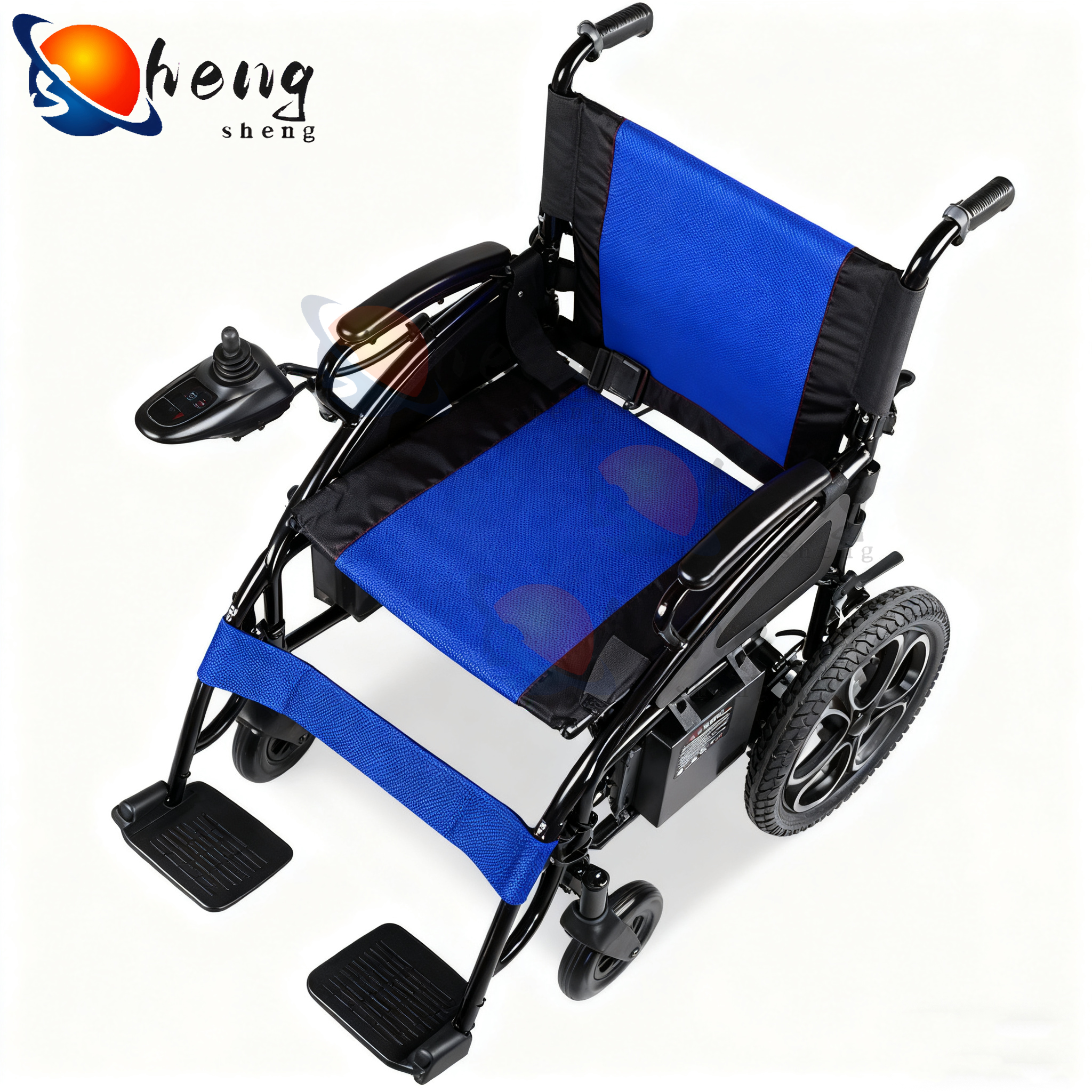
Selecting the perfect wheel chair requires careful consideration of multiple factors that directly impact daily comfort, mobility, and independence. Modern wheelchair technology has evolved significantly, offering users diverse options ranging from manual models to sophisticated electric variants. Understanding the key features, sizing requirements, and comfort elements becomes essential for making an informed decision that enhances quality of life. The right wheel chair should seamlessly integrate into your lifestyle while providing reliable support for all daily activities.
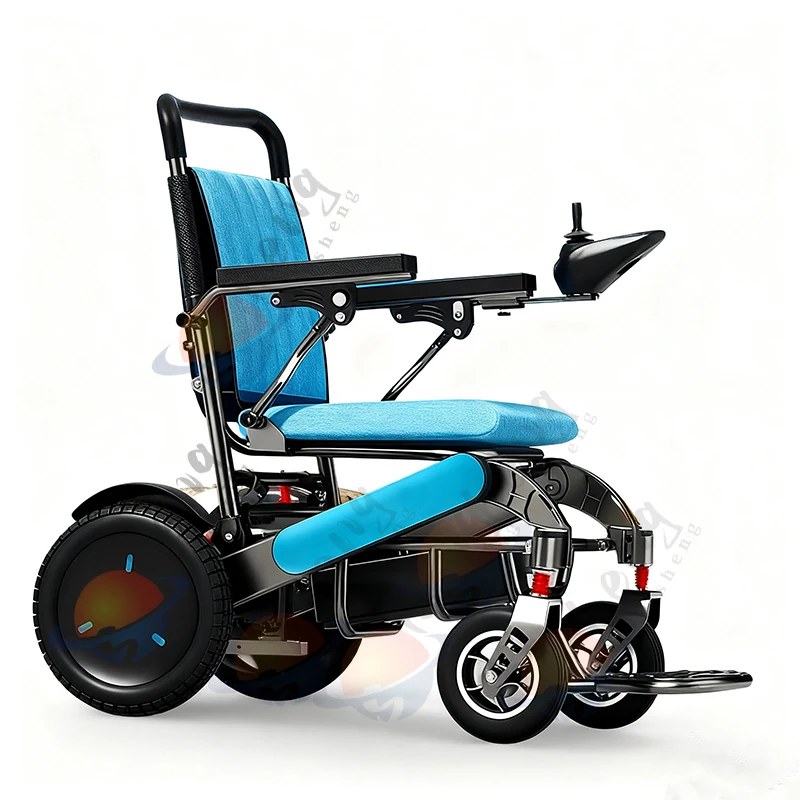
The process of choosing a wheel chair involves evaluating personal needs, physical requirements, and environmental factors where the chair will be used most frequently. Comfort extends beyond initial seating experience to include long-term durability, adjustability features, and maintenance requirements. Professional consultation often proves invaluable in identifying specific needs that may not be immediately apparent to first-time users. Each individual's unique circumstances require customized solutions that balance functionality with comfort priorities.
Understanding Different Wheel Chair Types and Their Comfort Features
Manual Wheelchair Comfort Considerations
Manual wheel chair models offer distinct advantages for users who maintain upper body strength and prefer direct control over their mobility. These chairs typically feature lightweight aluminum or steel frames designed to minimize user fatigue during propulsion. Comfort elements in manual wheelchairs include ergonomic hand rims, adjustable footrests, and cushioned seating systems that distribute weight evenly. The seat height, width, and depth measurements must align precisely with user dimensions to prevent pressure points and ensure proper posture throughout extended use.
Modern manual wheel chair designs incorporate advanced materials and engineering principles to enhance user comfort without compromising durability. Premium models feature quick-release wheels for easy transportation, adjustable armrests that accommodate different activities, and breathable upholstery materials that prevent moisture buildup. The frame geometry significantly influences rolling efficiency, with properly configured wheelchairs requiring minimal effort to maintain forward momentum on level surfaces.
Electric Wheelchair Comfort Advantages
Electric wheel chair systems provide unparalleled comfort for users with limited upper body strength or those requiring extended mobility throughout their daily routines. These powered units eliminate physical strain associated with manual propulsion while offering sophisticated seating systems with multiple adjustment options. Advanced electric wheelchairs feature programmable driving profiles, suspension systems, and ergonomic controls positioned for optimal accessibility. The smooth, consistent operation reduces vibration and jarring movements that can cause discomfort during extended use.
Battery technology in modern electric wheel chair models ensures reliable operation for extended periods, reducing range anxiety and increasing user confidence. Many electric units incorporate tilt, recline, and elevating leg rest functions that allow users to adjust positioning throughout the day for maximum comfort. These dynamic seating options help prevent pressure sores, improve circulation, and accommodate various activities from dining to professional work environments.
Critical Sizing and Fit Parameters for Maximum Comfort
Proper Seat Dimensions and Support
Accurate measurement and fitting represent the foundation of wheel chair comfort, with seat width being perhaps the most critical dimension to assess correctly. The ideal seat width provides approximately one inch of clearance on each side of the user's hips, preventing both pinching and excessive lateral movement. Seat depth should accommodate the user's thigh length while leaving two to three inches between the seat edge and the back of the knees. This spacing prevents pressure on the popliteal area while ensuring adequate thigh support for weight distribution.
Seat height calculations must consider the user's overall proportions, leg length, and intended use patterns for the wheel chair. Proper seat height allows feet to rest comfortably on footrests with thighs parallel to the floor and knees at approximately ninety-degree angles. Back height requirements vary significantly based on the user's trunk stability, with higher backs providing additional support for those with limited core strength. The backrest angle should promote upright posture while allowing comfortable positioning during extended sitting periods.
Armrest and Footrest Adjustment Features
Adjustable armrests on a quality wheel chair provide essential support for the upper extremities while facilitating transfers and positioning activities. Height-adjustable armrests should position the user's arms comfortably with shoulders relaxed and elbows at approximately ninety-degree angles. Removable or flip-back armrests offer flexibility for side transfers and improved access to tables, desks, or other surfaces. The armrest padding material should provide adequate cushioning while maintaining durability through repeated use and cleaning cycles.
Footrest systems significantly impact overall wheel chair comfort and proper leg positioning throughout daily use. Adjustable footrests accommodate different leg lengths while preventing pressure on the thighs from inadequate support. Swing-away or removable footrests facilitate transfers and allow users to position their feet naturally when stationary. Anti-tip devices and heel loops provide additional safety features while maintaining foot positioning during movement and transportation activities.
Cushioning Systems and Pressure Relief Technology
Advanced Cushion Materials and Design
Modern wheel chair cushioning systems utilize sophisticated materials and designs to maximize comfort while preventing pressure-related complications. Memory foam cushions conform to individual body contours, distributing weight evenly across the seating surface and reducing pressure concentration points. Gel-infused cushions provide excellent pressure relief and temperature regulation, maintaining comfortable seating conditions throughout extended use periods. Air-filled cushions offer customizable firmness levels and superior pressure distribution, though they require regular monitoring and adjustment.
Hybrid cushioning systems combine multiple materials to optimize both comfort and therapeutic benefits for wheel chair users. These advanced designs often feature zoned construction with varying densities to accommodate different anatomical regions and pressure requirements. Moisture-wicking cover materials help maintain skin health by reducing heat and humidity buildup during extended sitting. The cushion base design should integrate seamlessly with the wheelchair frame while providing stable support that prevents bottoming out under normal use conditions.
Pressure Mapping and Custom Solutions
Professional pressure mapping services help identify specific pressure points and seating needs for individual wheel chair users. This technology uses specialized sensors to measure pressure distribution across the seating surface, revealing areas of excessive pressure that could lead to skin breakdown or discomfort. Custom cushioning solutions based on pressure mapping data provide targeted relief zones while maintaining overall stability and support. These personalized approaches often yield superior comfort outcomes compared to standard off-the-shelf cushioning options.
Dynamic pressure relief systems in advanced wheel chair models automatically adjust pressure distribution throughout the day. These systems use alternating pressure zones or micro-movements to stimulate circulation and prevent prolonged pressure in any single area. Integration with smart technology allows users to monitor seating pressure patterns and receive alerts when repositioning becomes necessary for optimal comfort and health maintenance.
Environmental Considerations and Mobility Requirements
Indoor Navigation and Space Requirements
Indoor wheel chair navigation requires careful consideration of doorway widths, turning radii, and floor surfaces commonly encountered in residential and commercial environments. Standard doorways typically measure thirty-six inches wide, requiring wheelchairs with overall widths that allow comfortable passage without scraping or binding. Turning radius specifications become crucial in tight spaces like bathrooms, kitchens, and office environments where maneuverability directly impacts user independence and comfort levels.
Floor surface compatibility affects both comfort and safety for wheel chair users navigating various indoor environments. Smooth surfaces like hardwood, tile, or polished concrete provide minimal rolling resistance but may present challenges in wet conditions. Carpeted areas require consideration of pile height and density, as deeper carpets can significantly increase rolling effort and cause instability. Threshold transitions between different flooring materials should be evaluated to ensure the chosen wheel chair can navigate these changes smoothly without jarring impacts.
Outdoor Terrain and Weather Considerations
Outdoor wheel chair use introduces additional comfort and performance considerations related to terrain variability, weather exposure, and extended range requirements. Larger wheel diameters and pneumatic tires provide improved comfort over uneven surfaces, curbs, and minor obstacles commonly encountered in urban environments. Suspension systems in premium wheelchairs absorb vibrations and impacts that would otherwise translate directly to the user, significantly enhancing comfort during outdoor activities.
Weather protection features become essential for users who spend significant time outdoors in their wheel chair. UV-resistant materials prevent fading and degradation from sun exposure, while water-resistant components protect electrical systems and prevent corrosion. Temperature considerations affect battery performance in electric wheelchairs and user comfort in extreme weather conditions. Accessories like weather covers, cup holders, and storage compartments enhance usability while protecting both user and equipment from environmental elements.
Long-term Durability and Maintenance Factors
Material Quality and Construction Standards
High-quality materials and robust construction methods directly correlate with long-term wheel chair comfort and reliability. Aluminum frames offer excellent strength-to-weight ratios while resisting corrosion and maintaining structural integrity through years of daily use. Steel construction provides maximum durability for heavy-duty applications but typically results in increased overall weight. Carbon fiber components represent the premium option, delivering exceptional strength and minimal weight while maintaining excellent fatigue resistance.
Joint design and hardware quality significantly impact the longevity and continued comfort of wheel chair systems. Precision-machined components with proper tolerances prevent excessive wear and maintain smooth operation throughout the product lifecycle. Quality bearings, bushings, and pivot points ensure that adjustment mechanisms continue functioning properly, allowing users to maintain optimal positioning and comfort over extended periods. Corrosion-resistant hardware prevents degradation in humid or coastal environments where salt exposure might otherwise compromise performance.
Preventive Maintenance and Service Requirements
Regular maintenance protocols help preserve wheel chair comfort and performance while preventing costly repairs or premature replacement needs. Daily inspection routines should include checking tire pressure, brake function, and overall cleanliness to maintain optimal operation. Weekly maintenance tasks might involve lubricating moving parts, inspecting upholstery for wear, and ensuring all adjustment mechanisms function properly. Monthly comprehensive checks should evaluate battery performance in electric models and assess overall structural integrity.
Professional servicing schedules help identify potential issues before they impact user comfort or safety in wheel chair operation. Qualified technicians can perform detailed inspections, calibrate electronic systems, and replace wear components before they compromise performance. Warranty considerations should factor into the selection process, as comprehensive coverage provides peace of mind and protection against unexpected repair costs. Service availability and parts accessibility in your geographic area influence the practical aspects of long-term wheel chair ownership and maintenance.
FAQ
What is the most important factor when choosing a wheel chair for comfort
The most critical factor for wheel chair comfort is proper sizing and fit, particularly seat width, depth, and height measurements. Incorrect dimensions can lead to pressure points, poor posture, and long-term health complications. Professional assessment and measurement ensure the chair accommodates your specific body proportions while providing adequate support and pressure distribution. Quality cushioning systems and adjustable features also play essential roles in maximizing daily comfort levels.
How often should wheel chair cushions be replaced for optimal comfort
Wheel chair cushions typically require replacement every twelve to eighteen months with regular daily use, though this varies based on cushion type, user weight, and usage patterns. Foam cushions may compress and lose their supportive properties more quickly than gel or air alternatives. Signs indicating replacement needs include visible indentations that don't recover, increased pressure points, or changes in comfort levels during normal use. Regular inspection helps identify when cushion performance has degraded sufficiently to warrant replacement.
Can electric wheel chair comfort features be added to manual models
While some comfort features can be retrofitted to manual wheel chair models, the most advanced comfort options typically require electric systems for power and control. Manual wheelchairs can accommodate upgraded cushioning systems, adjustable components, and ergonomic accessories to improve comfort levels. However, features like powered tilt, recline functions, and dynamic pressure relief systems require electrical power and are generally available only in purpose-built electric wheelchair designs.
What role does wheel chair weight play in overall comfort
Wheel chair weight significantly impacts user comfort, particularly for those who self-propel or frequently transfer their chair. Lighter wheelchairs reduce fatigue during manual operation and make transportation easier, contributing to overall user comfort and independence. However, weight reduction shouldn't compromise durability or essential comfort features like adequate cushioning and support systems. The optimal balance depends on individual strength, mobility goals, and primary use patterns for the wheelchair system.