EN
EN




Investing in a quality wheel chair represents far more than acquiring a mobility aid – it signifies a commitment to maintaining independence, dignity, and quality of life for years to come. For individuals facing temporary or permanent mobility challenges, the decision to purchase a wheel chair should be viewed through the lens of long-term value rather than immediate cost considerations. The right wheel chair investment can dramatically transform daily living experiences, providing users with the freedom to navigate their environment confidently while supporting their physical health and emotional well-being.
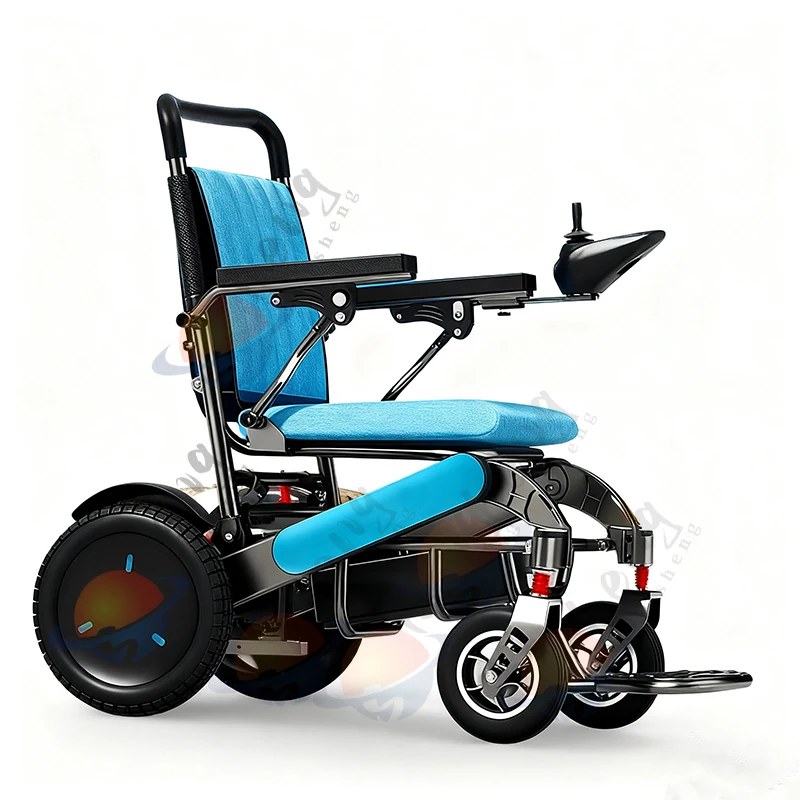
The importance of viewing a wheel chair as a strategic investment becomes clear when considering the comprehensive impact on user mobility, health outcomes, and overall life satisfaction. Unlike temporary solutions or rental options, owning a personalized wheel chair ensures consistent access to reliable mobility support while building equity in a device that adapts to changing needs over time. This investment perspective helps users make informed decisions that prioritize long-term mobility success rather than short-term financial considerations.
Enhanced Independence and Personal Freedom
Daily Living Independence
A quality wheel chair investment directly translates to enhanced independence in performing essential daily activities. Users gain the ability to navigate their homes, workplaces, and community spaces without relying on assistance from others. This independence extends beyond basic mobility to include participation in social activities, professional responsibilities, and recreational pursuits that contribute to a fulfilling lifestyle. The wheel chair becomes an extension of the user's capabilities rather than a limitation, enabling them to maintain their established routines and pursue new opportunities.
The psychological benefits of maintaining independence through wheel chair use cannot be overstated. Users report increased confidence, improved mood, and greater life satisfaction when they can control their mobility decisions. This independence reduces the burden on family members and caregivers while preserving important relationships that might otherwise become strained by dependency dynamics. The investment in a reliable wheel chair pays dividends in preserved dignity and self-determination.
Access to Employment and Education Opportunities
Professional wheel chair users find that their mobility investment opens doors to career advancement and educational opportunities that might otherwise be inaccessible. Modern workplaces and educational institutions increasingly accommodate wheel chair users, but having a reliable, well-maintained wheel chair is essential for taking advantage of these opportunities. The investment ensures users can commit to regular attendance, participate in professional development activities, and pursue career goals without mobility-related barriers.
Educational pursuits, whether formal degree programs or continuing education courses, become more feasible when users own a dependable wheel chair. The investment eliminates concerns about rental availability, maintenance scheduling, or compatibility issues that could interfere with academic commitments. Students and professionals can focus on their goals rather than managing mobility logistics, leading to better outcomes and increased earning potential over time.
Long-Term Health and Physical Well-Being Benefits
Prevention of Secondary Health Complications
Investing in a properly fitted wheel chair plays a crucial role in preventing secondary health complications that often develop when mobility needs are inadequately addressed. Poor-quality or ill-fitting mobility devices can contribute to pressure sores, joint problems, muscle atrophy, and cardiovascular deconditioning. A quality wheel chair investment includes professional fitting, ongoing adjustments, and features designed to support optimal posture and circulation, reducing the risk of costly medical complications.
The preventive health benefits of a quality wheel chair extend to respiratory function, digestive health, and bone density maintenance. Proper positioning and support help users maintain healthy breathing patterns, reduce the risk of pneumonia, and support normal digestive processes. Regular wheel chair use, as opposed to prolonged bed rest or sedentary positioning, helps maintain bone density and muscle tone, contributing to overall physical health and reducing the risk of falls or injuries.
Cardiovascular and Musculoskeletal Support
A well-designed wheel chair supports cardiovascular health by enabling regular movement and activity that maintains heart function and circulation. Manual wheel chair users benefit from the upper body exercise involved in self-propulsion, while electric wheel chair users gain cardiovascular benefits from increased daily activity levels and reduced sedentary time. This investment in mobility translates to improved cardiovascular outcomes and reduced risk of heart disease, diabetes, and other lifestyle-related health conditions.
Musculoskeletal benefits of quality wheel chair use include maintained joint flexibility, reduced contracture risk, and preserved muscle function in unaffected limbs. The investment in proper seating systems and positioning features helps prevent the development of spinal deformities, hip contractures, and other orthopedic complications that can develop over time. These preventive benefits represent significant cost savings compared to treating advanced musculoskeletal problems.
Economic Value and Cost-Effectiveness Over Time
Reduced Healthcare Expenses
The wheel chair investment generates substantial cost savings through reduced healthcare expenses over time. Users with quality mobility devices experience fewer hospitalizations related to falls, pressure injuries, and mobility-related complications. The upfront investment in a reliable wheel chair often pays for itself through avoided emergency room visits, reduced need for home healthcare services, and decreased medication requirements for managing secondary complications.
Preventive healthcare benefits extend to reduced need for intensive rehabilitation services, surgical interventions, and long-term care placement. Users who maintain their mobility through quality wheel chair use often avoid the accelerated decline associated with immobility, preserving their ability to live independently longer and reducing overall lifetime healthcare costs. Insurance providers increasingly recognize these benefits, offering coverage for quality mobility devices as a cost-effective alternative to more expensive care options.
Employment and Productivity Benefits
Professional users find that their wheel chair investment pays dividends through maintained employment capabilities and career advancement opportunities. The reliability and functionality of a quality mobility device enables consistent work attendance, participation in professional activities, and pursuit of advancement opportunities that generate income over time. The investment in mobility translates to preserved earning potential and career longevity.
Productivity benefits extend beyond traditional employment to include volunteer work, caregiving responsibilities, and household management tasks that provide economic value. Wheel chair users who maintain their ability to contribute to their families and communities through reliable mobility often report greater life satisfaction and sense of purpose, contributing to overall well-being and reduced need for mental health services.
Customization and Adaptability for Changing Needs
Progressive Condition Management
For users with progressive conditions, a quality wheel chair investment provides a platform for ongoing adaptation as mobility needs evolve. Advanced wheel chair systems offer modular designs that accommodate changing strength levels, range of motion limitations, and functional capabilities without requiring complete device replacement. This adaptability makes the initial investment more valuable over time as the wheel chair grows with the user's changing needs.
The ability to modify and upgrade wheel chair components ensures continued optimal function as conditions progress or improve. Users can add power assist features, upgrade seating systems, or modify control interfaces as needed, extending the useful life of their mobility investment. This adaptability reduces long-term costs compared to purchasing multiple devices over time while ensuring consistent mobility support throughout different stages of condition progression.
Lifestyle and Environmental Adaptations
A quality wheel chair investment accommodates changing lifestyle needs and environmental demands over time. Users may require different features for work versus recreation, indoor versus outdoor use, or travel versus home activities. Modular wheel chair systems allow for these adaptations without sacrificing the core mobility investment, providing versatility that enhances long-term value.
Environmental adaptability includes features for different weather conditions, terrain types, and accessibility challenges that users may encounter as their living situations or activity levels change. The wheel chair investment that includes these adaptive capabilities ensures continued functionality across diverse environments and activities, maximizing the return on the mobility investment.
Quality of Life and Social Integration Benefits
Social Participation and Community Engagement
The wheel chair investment significantly impacts social participation and community engagement opportunities. Users with reliable mobility devices report greater participation in family gatherings, social events, and community activities that contribute to emotional well-being and social connections. The investment removes barriers to social participation that might otherwise lead to isolation and depression, supporting mental health and overall quality of life.
Community engagement benefits include access to religious services, recreational activities, and civic participation that provide meaning and purpose. Wheel chair users who maintain their community connections through reliable mobility often serve as advocates, volunteers, and leaders within their communities, contributing valuable perspectives and skills while maintaining their sense of purpose and social identity.
Family Relationship Preservation
A quality wheel chair investment helps preserve important family relationships by reducing the caregiver burden and maintaining the user's independence within family dynamics. Family members experience less stress when their loved one has reliable mobility support, allowing relationships to focus on emotional connection rather than physical care needs. This preservation of normal family dynamics contributes to overall family well-being and reduces the emotional costs associated with mobility limitations.
The investment in independence through wheel chair use allows users to continue fulfilling family roles such as parenting, grandparenting, or partnering in ways that maintain their identity and contribution to family life. Children and partners of wheel chair users benefit from seeing their loved one maintain autonomy and capability, reducing anxiety and adjustment difficulties that can affect entire families when mobility limitations are inadequately addressed.
FAQ
How long should I expect my wheel chair investment to last?
A quality wheel chair investment typically provides 5-10 years of reliable service with proper maintenance, though some premium models may last even longer. The lifespan depends on usage frequency, maintenance quality, and the user's changing needs over time. Regular servicing and component replacement can extend the useful life significantly, making the initial investment more cost-effective over time.
What factors should I consider when determining my wheel chair investment budget?
Consider your daily mobility needs, expected usage duration, insurance coverage, and long-term health goals when setting your budget. Factor in the costs of accessories, maintenance, and potential modifications over time. Remember that a higher upfront investment often provides better long-term value through improved durability, functionality, and adaptability to changing needs.
How do I know if my wheel chair investment is providing adequate long-term value?
Evaluate your wheel chair investment by measuring improvements in independence, health outcomes, social participation, and overall quality of life. Track reduced healthcare expenses, maintained employment capabilities, and preserved family relationships as indicators of value. Regular assessment with healthcare providers can help identify when modifications or upgrades might enhance the value of your mobility investment.
Should I consider financing options for my wheel chair investment?
Financing can make a quality wheel chair investment more accessible while spreading costs over time. Many manufacturers and medical equipment providers offer financing programs specifically designed for mobility devices. Consider the total cost of financing versus upfront payment, and evaluate how the monthly payments fit within your budget while still allowing you to invest in the quality and features you need for long-term mobility success.