EN
EN



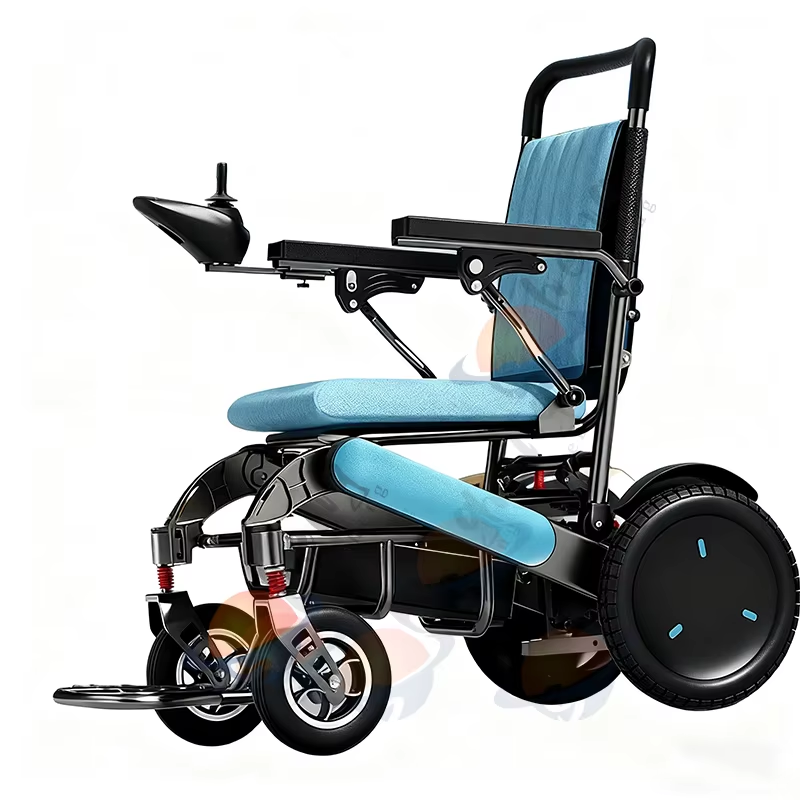
The decision to transition from manual mobility solutions to a motorized wheelchair represents a significant step toward reclaiming independence and enhancing quality of life. For individuals facing mobility challenges due to age, injury, or chronic conditions, understanding the compelling reasons behind choosing a motorized wheelchair becomes essential for making an informed decision that impacts daily living, social engagement, and overall well-being.
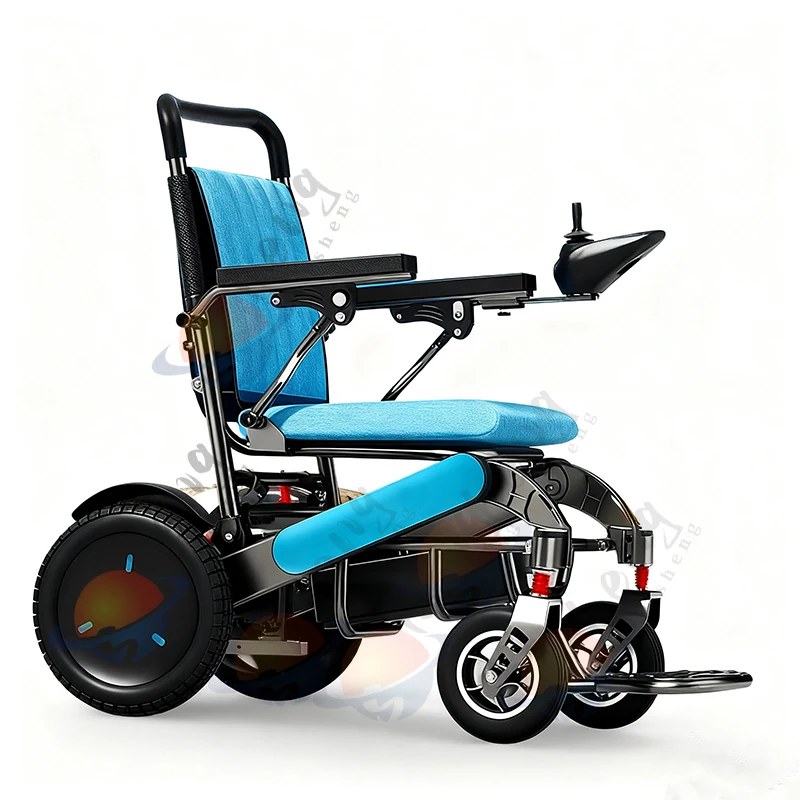
Modern motorized wheelchair technology has evolved dramatically, offering sophisticated solutions that address the fundamental mobility barriers that prevent individuals from maintaining active, fulfilling lives. The transition from struggling with limited mobility to experiencing the freedom and autonomy that a motorized wheelchair provides represents more than just a change in transportation method—it represents a transformation in lifestyle possibilities and personal empowerment.
Enhanced Independence and Daily Living Freedom
Elimination of Physical Strain and Fatigue
A motorized wheelchair fundamentally transforms the energy equation for daily mobility by removing the physical demands associated with manual propulsion. Users no longer need to rely on upper body strength or endurance to navigate their environment, which proves particularly valuable for individuals with limited arm strength, arthritis, or cardiovascular conditions. This elimination of physical strain allows users to conserve energy for more meaningful activities rather than expending it on basic transportation needs.
The reduction in fatigue extends beyond immediate comfort, creating a cascading effect that improves overall daily functioning. When individuals no longer face exhaustion from basic mobility tasks, they maintain higher energy levels throughout the day, enabling participation in social activities, professional responsibilities, and personal interests that might otherwise be compromised by mobility-related fatigue.
Extended Range and Accessibility
The operational range of a motorized wheelchair significantly exceeds what most individuals can achieve through manual propulsion, opening up possibilities for longer outings, shopping trips, and social visits. Modern motorized wheelchair models offer impressive battery life and range capabilities, with some units providing up to 20 miles of continuous operation on a single charge, enabling users to plan full-day activities without range anxiety.
This extended range capability transforms the practical geography of daily life, allowing users to access previously unreachable destinations and participate in activities that require sustained mobility over longer distances. The psychological impact of knowing that mobility limitations won't restrict travel plans contributes significantly to improved mental health and social engagement.
Superior Comfort and Ergonomic Benefits
Advanced Seating Systems and Customization
Modern motorized wheelchair designs prioritize user comfort through sophisticated seating systems that can be customized to individual needs and preferences. These systems often include adjustable seat height, backrest angle, armrest positioning, and leg rest configuration, allowing users to find their optimal positioning for extended periods of use. The ability to make real-time adjustments throughout the day helps prevent pressure sores and reduces discomfort associated with static positioning.
The ergonomic advantages of a well-fitted motorized wheelchair extend beyond basic comfort, contributing to better posture, improved circulation, and reduced risk of secondary complications that can arise from prolonged sitting in poorly configured seating. Many models include memory foam cushioning, breathable fabrics, and pressure-relieving surfaces that actively contribute to user health and comfort.
Smooth Operation and Reduced Vibration
The engineering sophistication of modern motorized wheelchair suspension systems and drive mechanisms results in remarkably smooth operation across various terrain types. Advanced shock absorption and precision motor control minimize vibration and jarring movements, creating a comfortable riding experience even on uneven surfaces or during extended use periods.
This smooth operation becomes particularly important for users with conditions that make them sensitive to vibration or jarring motions, such as spinal injuries or joint problems. The refined mechanical systems in quality motorized wheelchair units ensure that mobility doesn't come at the cost of physical discomfort or exacerbation of existing health conditions.
Technological Advantages and Smart Features
Intelligent Control Systems and Navigation
Contemporary motorized wheelchair technology incorporates sophisticated control systems that adapt to user preferences and environmental conditions. These intelligent systems can include programmable speed settings, turning radius adjustments, and automatic safety features that enhance both usability and safety. Some advanced models offer multiple driving profiles that can be customized for different environments, such as indoor navigation versus outdoor terrain.
The precision control available in modern motorized wheelchair systems enables users to navigate tight spaces with confidence while maintaining the ability to achieve higher speeds when appropriate. This technological sophistication ensures that the motorized wheelchair adapts to the user's needs rather than forcing the user to adapt to the equipment's limitations.
Battery Technology and Charging Convenience
Advances in battery technology have revolutionized the practical usability of motorized wheelchair systems, with modern lithium-ion batteries offering extended operational time, faster charging cycles, and improved longevity. Many current models feature removable battery packs that can be charged separately, eliminating the need to position the entire wheelchair near charging outlets and providing flexibility in charging schedules.
The reliability of modern battery systems reduces anxiety about power depletion during important activities or outings. Intelligent battery management systems provide accurate range estimates and power level indicators, enabling users to plan their activities with confidence and avoid unexpected mobility interruptions.
Social and Psychological Mobility Benefits
Increased Social Participation and Community Engagement
The mobility freedom provided by a motorized wheelchair directly correlates with increased opportunities for social interaction and community participation. Users report greater willingness to accept social invitations, attend community events, and maintain relationships when mobility barriers are removed. The psychological confidence that comes from reliable, effortless mobility encourages users to engage more fully in their social networks.
This enhanced social participation creates positive feedback loops that benefit overall mental health and quality of life. When individuals feel confident about their mobility capabilities, they're more likely to initiate social activities themselves, take on leadership roles in community organizations, and maintain the social connections that are crucial for emotional well-being.
Professional and Educational Opportunities
The reliability and efficiency of motorized wheelchair mobility can significantly expand professional and educational opportunities by removing mobility-related barriers to participation. Whether navigating large office complexes, attending conferences, or participating in educational programs, the sustained mobility provided by motorized wheelchair technology ensures that career and learning goals aren't compromised by mobility limitations.
The professional confidence that comes from reliable mobility extends to job performance and career advancement opportunities. When individuals don't need to conserve energy for basic mobility tasks, they can dedicate their full attention and energy to professional responsibilities, potentially leading to improved job performance and career satisfaction.
Safety and Security Considerations
Enhanced Stability and Fall Prevention
Modern motorized wheelchair designs incorporate sophisticated stability systems that significantly reduce the risk of accidents and falls compared to other mobility solutions. The low center of gravity, wide wheelbase, and advanced braking systems work together to provide exceptional stability even on inclined surfaces or uneven terrain. These safety features become particularly important for users who may have balance issues or weakness that could compromise their safety with other mobility aids.
The automatic safety features built into quality motorized wheelchair systems include anti-tip mechanisms, automatic braking when the joystick is released, and speed governors that prevent unsafe operation. These integrated safety systems provide peace of mind for both users and their families, knowing that the mobility solution actively contributes to accident prevention.
Emergency and Weather Reliability
The mechanical reliability of motorized wheelchair systems provides crucial mobility assurance during emergencies or adverse weather conditions when maintaining mobility becomes even more critical. Unlike mobility solutions that depend on user strength or external assistance, a properly maintained motorized wheelchair continues to function reliably regardless of environmental conditions or user energy levels.
This reliability becomes particularly valuable during health emergencies or situations where rapid mobility may be necessary. The consistent performance of motorized wheelchair systems ensures that users maintain their mobility capabilities even during times when their physical condition might otherwise compromise their ability to move independently.
FAQ
How long does the battery last in a typical motorized wheelchair?
Most modern motorized wheelchair batteries provide between 15-25 miles of range on a single charge, depending on the model, terrain, user weight, and driving conditions. Battery life typically ranges from 8-12 hours of normal use, with charging times of 6-8 hours for a complete recharge. Advanced lithium-ion batteries in premium models can offer even longer range and faster charging capabilities.
Can motorized wheelchairs be used outdoors in various weather conditions?
Quality motorized wheelchairs are designed with weather-resistant features that allow safe outdoor use in most conditions. While they shouldn't be exposed to heavy rain or submersion, most models can handle light precipitation, humidity, and temperature variations. Many units feature sealed electrical components and corrosion-resistant materials specifically designed for outdoor use.
What maintenance is required for a motorized wheelchair?
Regular maintenance for a motorized wheelchair includes battery care, tire pressure checks, cleaning of electrical contacts, and periodic inspection of mechanical components. Most users can perform basic maintenance tasks like battery charging and general cleaning, while annual professional servicing is recommended for motor inspection, brake adjustment, and electrical system testing to ensure optimal performance and safety.
Are motorized wheelchairs suitable for indoor use in small spaces?
Modern motorized wheelchairs are engineered with compact turning radii and precise maneuverability specifically for indoor navigation. Many models can navigate standard doorways and tight spaces effectively, with some featuring zero-turn radius capabilities for maximum maneuverability in confined areas. The variable speed control allows for precise movement in crowded or delicate environments.