
 EN
EN


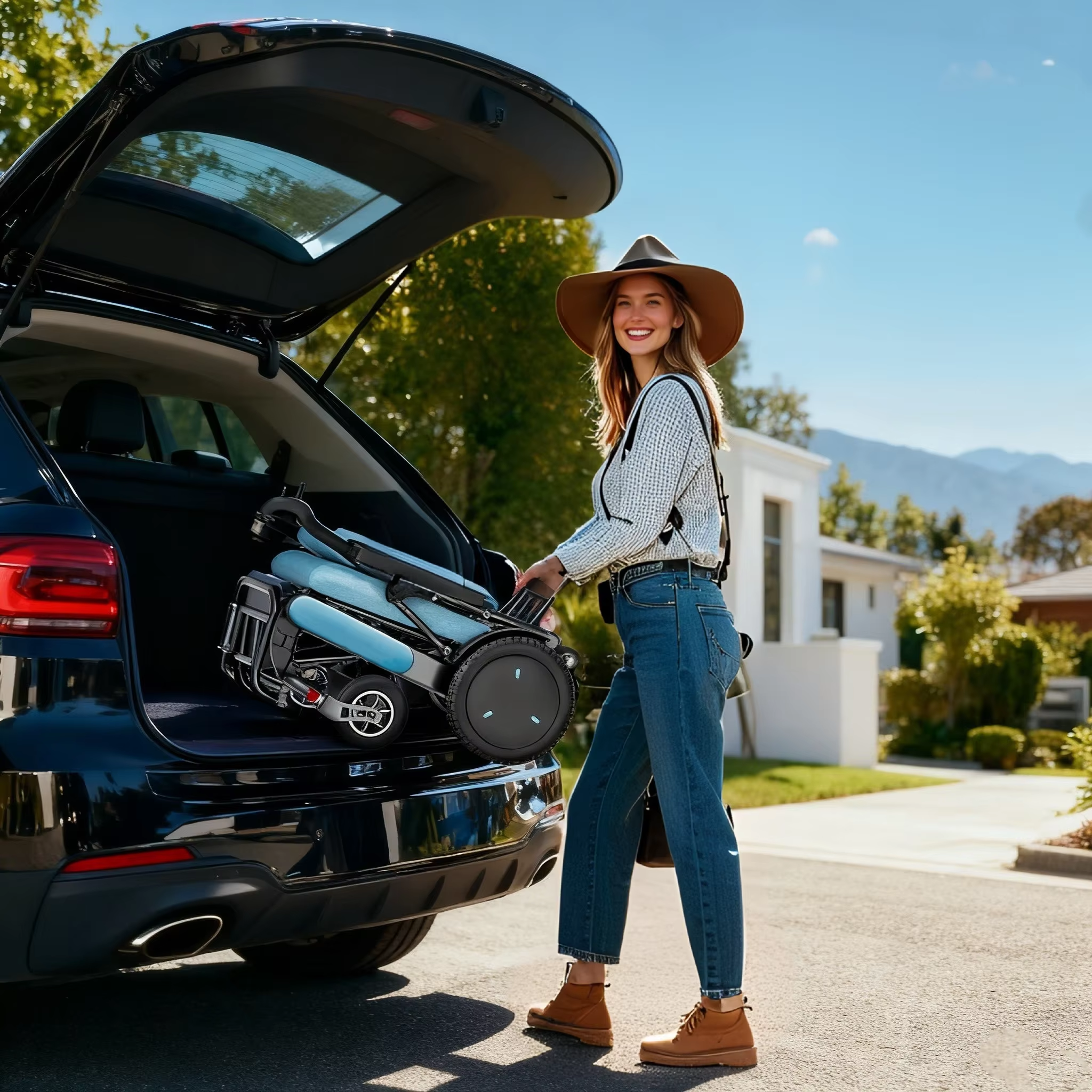
The quest for independence becomes increasingly important as we age, and for many seniors facing mobility challenges, a motorized wheelchair represents a transformative solution that can dramatically improve their quality of life. Unlike traditional manual wheelchairs that require significant upper body strength and endurance, motorized wheelchair technology offers seniors the freedom to navigate their environment with confidence and dignity. These innovative mobility devices have evolved significantly over the past decade, incorporating advanced features that address the specific needs of older adults who want to maintain their autonomy while managing physical limitations.
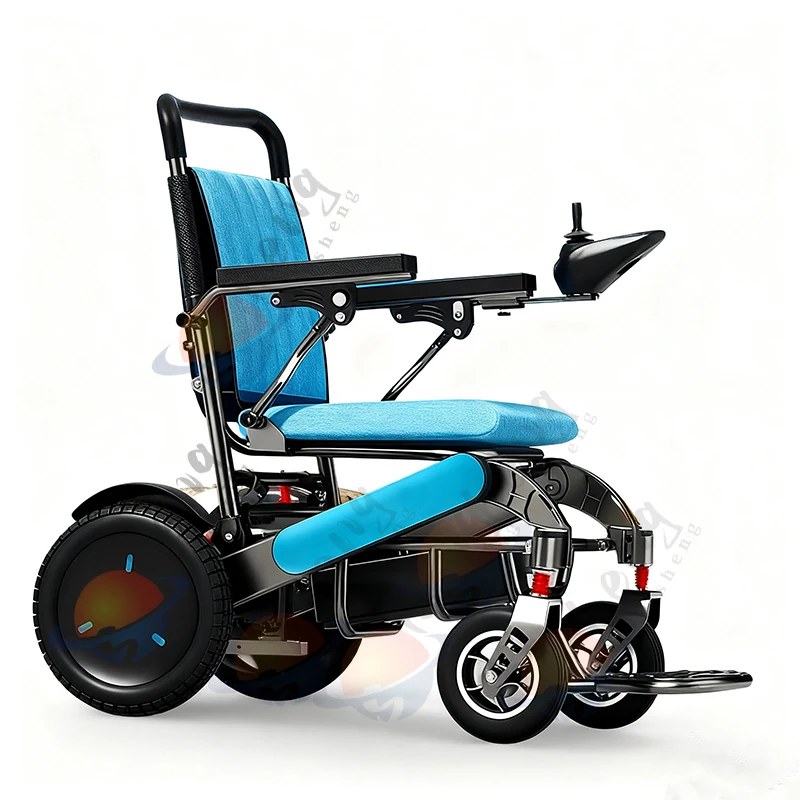
Modern motorized wheelchair designs prioritize user comfort, safety, and ease of operation, making them accessible to seniors who may have limited technical experience. The integration of intuitive joystick controls, adjustable seating systems, and reliable battery technology has made these devices more appealing and practical for daily use. For many seniors, the decision to transition to a motorized wheelchair marks a pivotal moment in reclaiming their independence and reconnecting with activities they thought they had lost forever.
Understanding the Technology Behind Modern Motorized Wheelchairs
Advanced Motor Systems and Power Distribution
The heart of any effective motorized wheelchair lies in its sophisticated motor system, which has been refined through decades of engineering innovation. Contemporary models utilize brushless DC motors that provide smooth, quiet operation while maximizing battery efficiency and extending the overall lifespan of the device. These motor systems are designed to deliver consistent power output across various terrain types, from smooth indoor surfaces to outdoor pathways with minor obstacles and inclines.
Power distribution technology in modern motorized wheelchair units ensures that energy is allocated optimally between the drive wheels, providing superior traction and stability. The electronic control systems continuously monitor motor performance and adjust power delivery in real-time, preventing wheel slippage and maintaining directional control even on challenging surfaces. This level of technological sophistication translates directly into increased confidence for seniors who may be concerned about navigating different environments safely.
Battery Technology and Range Capabilities
One of the most significant concerns for seniors considering a motorized wheelchair is battery reliability and range capacity. Modern lithium-ion battery systems have revolutionized the mobility industry by offering extended operational periods while maintaining relatively lightweight profiles. These advanced battery packs can typically provide 15-25 miles of continuous operation on a single charge, depending on user weight, terrain conditions, and driving patterns.
The charging infrastructure for motorized wheelchair batteries has also improved dramatically, with many models featuring removable battery packs that can be charged independently of the wheelchair itself. This flexibility allows seniors to maintain backup batteries or charge their primary battery pack indoors while continuing to use their mobility device. Smart charging systems prevent overcharging and extend battery life, while LED indicators provide clear feedback about remaining charge levels and charging status.
Independence Benefits for Daily Living Activities
Enhanced Mobility in Home Environments
The compact design and precise maneuverability of modern motorized wheelchair models make them exceptionally well-suited for indoor navigation. Seniors can move freely throughout their homes without assistance, accessing kitchens, bedrooms, bathrooms, and living spaces with confidence. The ability to navigate narrow hallways, doorways, and around furniture gives users the freedom to maintain their household routines independently, from meal preparation to personal care activities.
Many motorized wheelchair designs incorporate zero-turning radius capabilities, allowing users to rotate in place within tight spaces. This feature is particularly valuable in smaller homes or apartments where traditional mobility aids might struggle to maneuver effectively. The quiet operation of modern electric motors ensures that seniors can move around their homes at any time without disturbing other household members or neighbors.
Community Access and Social Engagement
Perhaps one of the most profound benefits of motorized wheelchair ownership is the restoration of community access and social opportunities. Seniors who previously found themselves isolated due to mobility limitations can once again participate in community activities, visit friends and family, and engage in social events. The extended range and reliability of modern motorized wheelchair systems enable users to venture beyond their immediate neighborhood with confidence.
Shopping centers, parks, libraries, and recreational facilities become accessible destinations rather than insurmountable challenges. The psychological impact of regaining access to these social spaces cannot be overstated, as many seniors report significant improvements in mood, mental health, and overall life satisfaction after transitioning to powered mobility solutions. The ability to participate in group activities and maintain social connections contributes significantly to healthy aging and cognitive wellness.
Safety Features and Risk Mitigation
Stability and Fall Prevention Systems
Safety represents a paramount concern for seniors evaluating motorized wheelchair options, and manufacturers have responded by incorporating sophisticated stability control systems. Anti-tip wheels and low center-of-gravity designs prevent backward tipping during acceleration or when navigating inclines. Electronic stability control monitors wheel speed and direction, automatically adjusting power delivery to maintain balance and prevent dangerous situations.
Advanced braking systems engage automatically when the joystick is released, bringing the motorized wheelchair to a controlled stop without sudden jerking motions that could cause discomfort or instability. Some models feature electromagnetic brakes that provide consistent stopping power regardless of battery charge level, ensuring reliable operation even as the battery approaches depletion. These safety features work together to create a secure mobility platform that seniors can trust in various environmental conditions.
Visibility and Communication Features
Modern motorized wheelchair designs prioritize visibility and communication between users and their environment. LED lighting systems, including headlights, taillights, and turn indicators, enhance visibility during low-light conditions and communicate user intentions to pedestrians and vehicle operators. Reflective materials and bright color options further improve visibility, particularly important for seniors who may be using their motorized wheelchair during dawn or dusk hours.
Horn systems and other auditory signals allow users to alert others to their presence, preventing accidents and facilitating smooth navigation through crowded areas. Some advanced models incorporate smartphone connectivity, enabling emergency contact features and GPS tracking for added security. These communication technologies provide peace of mind for both users and their family members who may be concerned about outdoor mobility safety.
Customization and Adaptability Options
Seating and Positioning Solutions
The versatility of modern motorized wheelchair seating systems allows for extensive customization to accommodate individual physical needs and comfort preferences. Adjustable seat heights, armrest positions, and backrest angles enable users to optimize their positioning for maximum comfort during extended use periods. Memory foam cushioning and pressure-relieving materials help prevent discomfort and skin issues that can arise from prolonged sitting.
Many motorized wheelchair models offer powered seating adjustments, allowing users to modify their position throughout the day without assistance. Tilt-in-space and recline functions provide pressure relief and positioning variety, while elevating leg rests accommodate users with circulation issues or lower limb concerns. These customization options ensure that the motorized wheelchair can adapt to changing physical needs over time, representing a long-term mobility solution rather than a temporary fix.
Accessory Integration and Functionality Enhancement
The modularity of contemporary motorized wheelchair designs allows for extensive accessory integration that can enhance functionality and convenience. Cup holders, storage baskets, weather protection systems, and oxygen tank mounts can be easily installed to accommodate specific user requirements. These accessories transform the basic motorized wheelchair into a personalized mobility platform that supports individual lifestyle needs and preferences.
Technology integration options include smartphone holders, USB charging ports, and even small computing devices that can provide entertainment or communication capabilities during travel. Weather protection accessories, such as canopies and wind screens, extend the usability of motorized wheelchair systems into various climatic conditions. This level of customization ensures that seniors can maintain their preferred activities and routines while adapting to their mobility device rather than being constrained by it.
Economic Considerations and Long-term Value
Cost-Benefit Analysis for Seniors
While the initial investment in a quality motorized wheelchair may seem substantial, the long-term economic benefits often justify the expense for many seniors. The reduction in caregiving costs, transportation expenses, and potential healthcare interventions related to falls or mobility-related injuries can offset the purchase price over time. Insurance coverage, including Medicare and private insurance plans, may provide partial or complete coverage for medically necessary motorized wheelchair purchases.
The durability and longevity of modern motorized wheelchair systems represent significant value propositions for senior users. Quality models are designed to provide years of reliable service with proper maintenance, making them cost-effective solutions compared to ongoing expenses associated with alternative mobility aids or care services. The independence and quality of life improvements facilitated by motorized wheelchair ownership often prove invaluable from both economic and personal perspectives.
Maintenance and Service Considerations
Understanding the maintenance requirements and service availability for motorized wheelchair systems helps seniors make informed purchasing decisions and budget for ongoing ownership costs. Regular maintenance typically includes battery care, tire pressure monitoring, and periodic inspections of electrical and mechanical components. Many manufacturers provide comprehensive warranty coverage and service networks that ensure prompt repair and maintenance support.
The simplicity of modern motorized wheelchair designs has reduced maintenance complexity while improving reliability. User-friendly diagnostic systems can identify potential issues before they become serious problems, and many routine maintenance tasks can be performed by users or family members. Professional service requirements are generally minimal, making motorized wheelchair ownership manageable for seniors who may be concerned about technical complexity or ongoing service costs.
Selecting the Right Motorized Wheelchair
Assessment of Individual Needs and Capabilities
The selection process for a motorized wheelchair should begin with a comprehensive assessment of individual needs, capabilities, and lifestyle requirements. Physical considerations include upper body strength, hand dexterity, vision capabilities, and cognitive function, all of which influence the appropriate control systems and safety features. Environmental factors such as home layout, community infrastructure, and typical travel distances help determine necessary performance specifications.
Healthcare professionals, including occupational therapists and physical therapists, can provide valuable guidance during the selection process. These experts can assess postural needs, recommend appropriate seating systems, and identify specific features that will maximize the benefits of motorized wheelchair ownership. Professional evaluation ensures that the chosen motorized wheelchair will effectively address individual mobility challenges while supporting overall health and wellness goals.
Quality and Certification Standards
Evaluating quality standards and certification requirements helps ensure that selected motorized wheelchair models meet appropriate safety and performance criteria. Regulatory certifications from organizations such as the FDA and international standards bodies provide assurance that devices have undergone rigorous testing and meet established safety requirements. Quality construction materials, proven manufacturing processes, and comprehensive quality control procedures distinguish premium motorized wheelchair options from inferior alternatives.
Warranty coverage, service support, and manufacturer reputation represent additional quality indicators that seniors should consider during their selection process. Established manufacturers with extensive experience in motorized wheelchair development typically offer superior products and support services compared to newer or less specialized companies. Research into user reviews, professional recommendations, and long-term performance data provides valuable insights into real-world motorized wheelchair performance and reliability.
FAQ
How long does the battery last in a typical motorized wheelchair?
Modern motorized wheelchair batteries typically provide 15-25 miles of continuous operation on a single charge, depending on user weight, terrain conditions, and usage patterns. Lithium-ion battery systems can maintain their charging capacity for 2-3 years with proper care and maintenance. Daily charging habits and avoiding complete battery depletion help maximize battery lifespan and ensure reliable performance over the long term.
Can seniors use motorized wheelchairs indoors and outdoors safely?
Yes, modern motorized wheelchair designs are specifically engineered for both indoor and outdoor use. Compact dimensions and zero-turning radius capabilities enable smooth indoor navigation, while robust construction and weather-resistant components support outdoor activities. Safety features including anti-tip systems, automatic braking, and stability control ensure secure operation across various surface types and environmental conditions.
What insurance coverage is available for motorized wheelchair purchases?
Medicare Part B typically covers 80% of the approved amount for medically necessary motorized wheelchair equipment when prescribed by a doctor and supplied by a Medicare-approved supplier. Many private insurance plans also provide coverage for durable medical equipment including motorized wheelchair systems. Prior authorization and documentation of medical necessity are usually required, so seniors should work with healthcare providers and insurance representatives to understand their specific coverage options.
How difficult is it to learn to operate a motorized wheelchair?
Most seniors find motorized wheelchair operation intuitive and easy to master with minimal training. Simple joystick controls provide precise directional control, while adjustable speed settings allow users to start slowly and build confidence gradually. Many users become comfortable with basic operation within a few hours of practice, and advanced features can be learned progressively as familiarity with the device increases.
