
 EN
EN


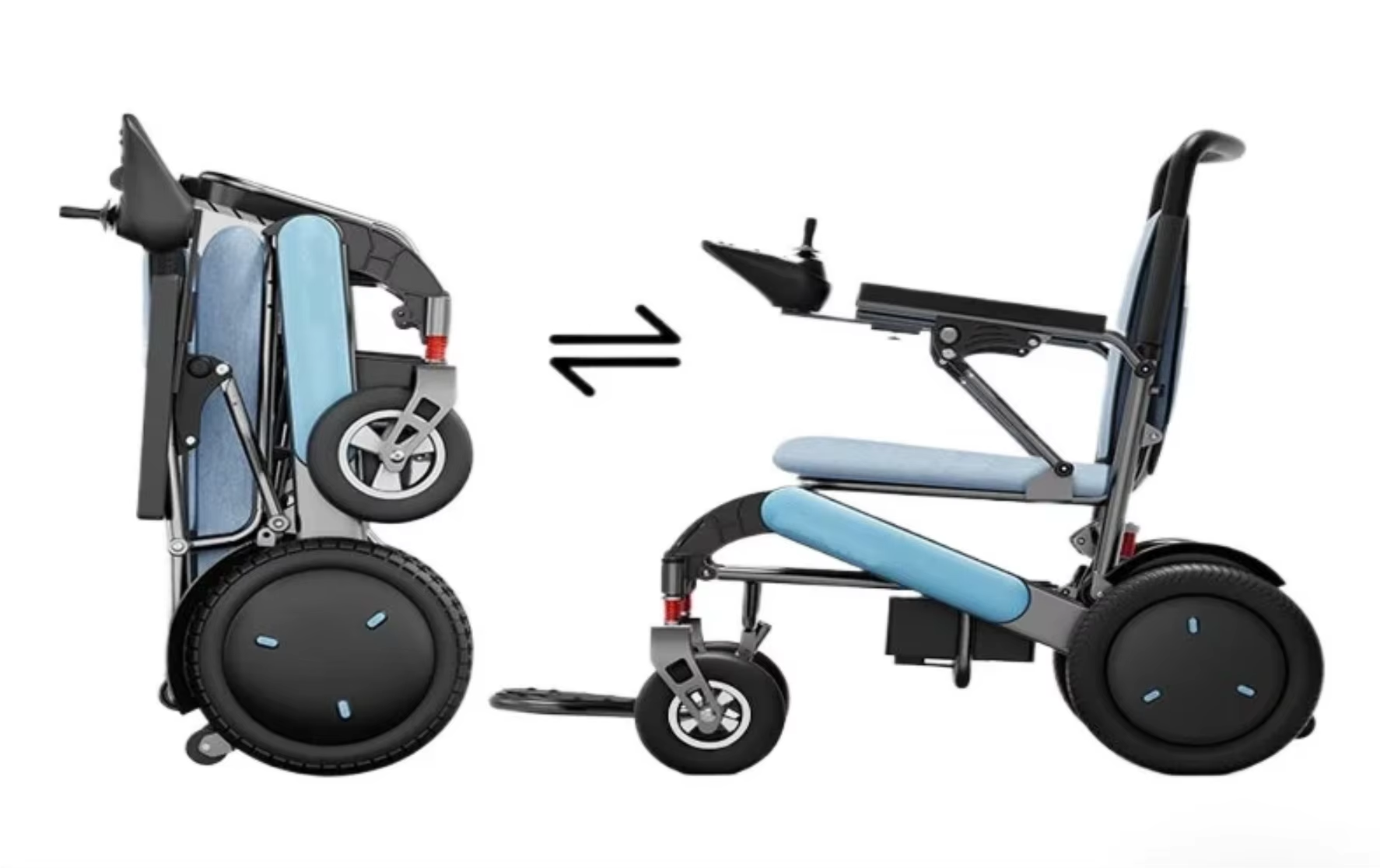
Modern mobility solutions have transformed the lives of individuals with mobility challenges, offering unprecedented freedom and independence. A motorized wheelchair represents one of the most significant advancements in assistive technology, providing users with enhanced comfort, reliability, and versatility for daily activities. These sophisticated devices combine cutting-edge engineering with user-focused design to deliver exceptional performance across various environments and situations.
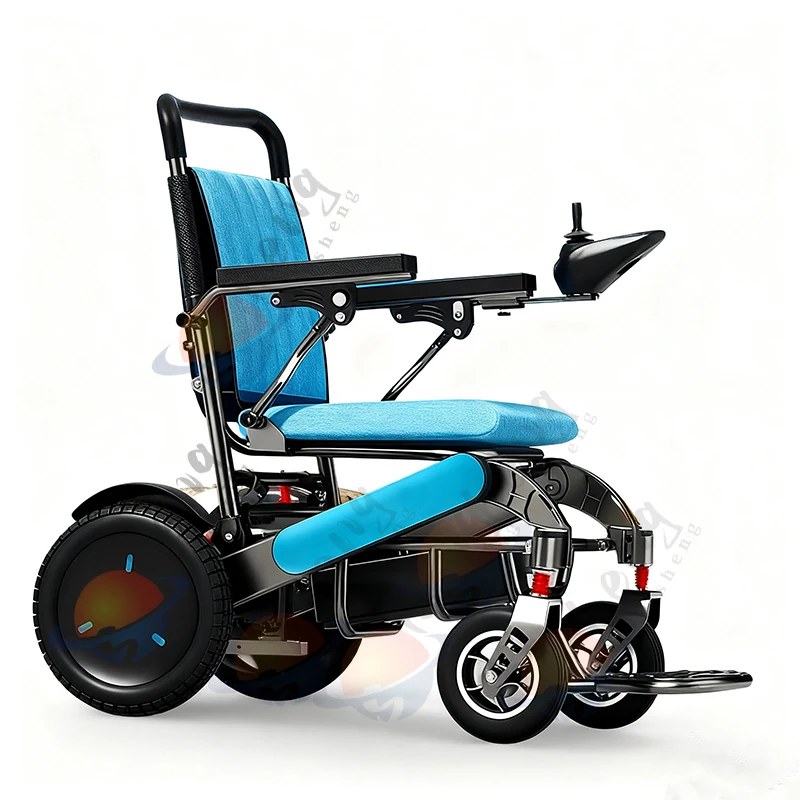
Understanding the comprehensive benefits of a motorized wheelchair extends beyond basic transportation needs. These advanced mobility aids integrate seamlessly into users' lifestyles, providing consistent support for work, recreation, and social engagement. The technology behind modern electric wheelchairs has evolved to address specific comfort requirements while maintaining durability and safety standards that users can depend on throughout their daily routines.
Enhanced Mobility and Independence Features
Advanced Control Systems and Navigation
Contemporary motorized wheelchair designs incorporate sophisticated control mechanisms that respond precisely to user input. The joystick controls offer multiple sensitivity settings, allowing individuals to customize their driving experience according to their specific needs and preferences. These systems provide smooth acceleration and deceleration, reducing jarring movements that can cause discomfort during extended use.
Navigation capabilities have been significantly enhanced through improved wheel configurations and steering mechanisms. Users can maneuver through tight spaces, navigate around obstacles, and maintain stability on various terrain types with confidence. The precision control systems enable users to perform delicate positioning tasks, such as approaching desks or tables, with remarkable accuracy and ease.
Battery Performance and Range Capabilities
Modern battery technology in motorized wheelchairs delivers exceptional range and reliability for all-day use. Advanced lithium-ion battery systems provide consistent power output throughout the charge cycle, ensuring stable performance from morning until evening. These batteries typically offer ranges extending up to 20 miles on a single charge, accommodating extensive daily activities without range anxiety.
Charging systems have been designed for convenience and efficiency, with many models featuring removable battery packs for flexible charging options. Users can charge their motorized wheelchair overnight or during brief stops, maintaining continuous mobility throughout their daily schedules. The intelligent charging systems prevent overcharging and extend battery lifespan significantly.
Comfort Engineering and Ergonomic Design
Seating Systems and Postural Support
The seating configuration of a motorized wheelchair plays a crucial role in user comfort during extended periods of use. Advanced cushioning systems distribute weight evenly, reducing pressure points that can lead to discomfort or health complications. Memory foam and gel-infused cushions adapt to individual body contours, providing personalized support that maintains effectiveness throughout the day.
Adjustable positioning features allow users to modify seat height, backrest angle, and armrest positions according to their comfort preferences and activity requirements. These customization options ensure optimal posture alignment, reducing strain on the spine and supporting healthy circulation. The ergonomic design principles integrated into motorized wheelchair construction prioritize long-term user well-being and comfort maintenance.
Suspension and Shock Absorption Systems
Advanced suspension systems in modern motorized wheelchairs provide smooth rides across various surface types, from indoor flooring to outdoor pathways. Independent wheel suspension absorbs impacts from curbs, cracks, and uneven terrain, protecting users from jarring movements that can cause discomfort or fatigue. These systems maintain wheel contact with the ground, ensuring consistent traction and stability.
Shock absorption technology has been refined to address specific comfort needs while maintaining the structural integrity of the motorized wheelchair. Progressive dampening systems adjust automatically to different impact levels, providing gentle cushioning for minor irregularities while offering firm support for larger obstacles. This intelligent response system ensures consistent comfort across diverse environments and usage scenarios.
Daily Living Applications and Practical Benefits
Indoor Maneuverability and Home Integration
Indoor navigation capabilities of a motorized wheelchair have been optimized for residential environments, allowing users to move seamlessly between rooms and access various home areas with ease. Compact designs and tight turning radii enable navigation through doorways, hallways, and furniture arrangements without requiring home modifications. The quiet operation ensures peaceful coexistence with household routines and family activities.
Height adjustability features allow users to reach different levels within their homes, from accessing kitchen counters to retrieving items from shelves. The stable platform provided by a motorized wheelchair enables users to perform various household tasks safely and efficiently. These capabilities restore independence in daily living activities and reduce reliance on assistance from others.
Outdoor Adventures and Community Engagement
Outdoor performance characteristics of modern motorized wheelchairs enable users to participate confidently in community activities and recreational pursuits. Weather-resistant construction protects electrical components from moisture and dust, ensuring reliable operation in various environmental conditions. Robust wheel designs and traction systems provide stability on grass, gravel, and paved surfaces.
The extended range capabilities of contemporary motorized wheelchair models support full-day outings, shopping trips, and social engagements without concerns about battery depletion. Users can explore parks, visit friends, attend events, and maintain active social lives with confidence in their mobility equipment. This freedom significantly enhances quality of life and emotional well-being through increased social interaction opportunities.
Safety Features and Reliability Standards
Stability and Anti-Tip Technology
Modern motorized wheelchair designs incorporate comprehensive safety systems that prevent accidents and protect users during operation. Anti-tip wheels and stability algorithms monitor the wheelchair's center of gravity, automatically adjusting power distribution to maintain balance on inclines and uneven surfaces. These systems operate seamlessly in the background, providing continuous protection without interfering with normal operation.
Emergency braking systems engage automatically when obstacles are detected or when the user releases the control joystick. This fail-safe mechanism prevents runaway situations and ensures controlled stops in all circumstances. The reliability of these safety features has been extensively tested and certified to meet stringent industry standards for user protection and equipment performance.
Durability and Maintenance Requirements
The construction quality of contemporary motorized wheelchairs emphasizes long-term durability and minimal maintenance requirements. Sealed electrical systems protect sensitive components from environmental exposure, while corrosion-resistant materials ensure structural integrity over years of use. Regular maintenance procedures are straightforward and can often be performed by users or local service providers.
Component accessibility has been designed to facilitate routine maintenance and repairs when necessary. Modular construction allows for easy replacement of wear items such as batteries, tires, and control components without requiring complete system overhauls. This serviceability approach reduces long-term ownership costs and ensures continuous availability of the motorized wheelchair for daily use.
Technology Integration and Smart Features
Connectivity and Remote Monitoring
Advanced motorized wheelchair models now incorporate smart technology features that enhance user experience and provide valuable operational data. Bluetooth connectivity enables integration with smartphones and tablets, allowing users to monitor battery status, track usage patterns, and access diagnostic information. These features provide greater awareness of the wheelchair's condition and performance characteristics.
Remote monitoring capabilities allow healthcare providers and family members to track usage patterns and ensure optimal performance of the motorized wheelchair. GPS integration provides location services for emergency situations and helps users navigate unfamiliar areas with confidence. These technological enhancements add layers of security and convenience to daily mobility routines.
Customization and Adaptive Controls
Programming flexibility in modern motorized wheelchair control systems accommodates users with varying physical capabilities and preferences. Speed settings, acceleration profiles, and turning sensitivity can be adjusted to match individual needs and comfort levels. These customization options ensure that each user can optimize their wheelchair's performance for their specific requirements and abilities.
Alternative control methods, including head controls, breath controls, and eye-tracking systems, expand accessibility for users with limited hand function. The motorized wheelchair can be configured to accept various input devices, ensuring that individuals with different physical challenges can operate their mobility equipment effectively. This adaptability demonstrates the inclusive design principles that guide modern wheelchair development.
Economic Benefits and Cost Considerations
Long-term Value and Investment Return
Investing in a quality motorized wheelchair provides substantial long-term value through reduced transportation costs and increased independence. Users can reduce reliance on public transportation, taxi services, and assistance from others for daily mobility needs. The enhanced independence often translates into expanded employment opportunities and improved quality of life that justifies the initial investment.
Insurance coverage and financing options make motorized wheelchairs more accessible to users who need these mobility solutions. Medicare, Medicaid, and private insurance plans often provide coverage for medically necessary mobility equipment, reducing out-of-pocket expenses significantly. Understanding coverage requirements and working with healthcare providers ensures optimal reimbursement and affordability.
Operational Costs and Efficiency
Daily operating costs for a motorized wheelchair remain remarkably low compared to alternative transportation methods. Electricity costs for charging are minimal, typically amounting to pennies per day for regular use. The efficiency of modern electric drive systems maximizes range while minimizing energy consumption, providing exceptional value for mobility services.
Maintenance costs for quality motorized wheelchairs are generally predictable and manageable over the equipment's lifespan. Routine maintenance items such as tire replacement, battery service, and periodic inspections represent reasonable expenses that preserve performance and safety. Proper care and maintenance extend the useful life of the motorized wheelchair significantly, maximizing the return on investment.
FAQ
What is the typical battery life of a motorized wheelchair
Battery life in a motorized wheelchair varies depending on usage patterns, terrain, user weight, and battery capacity. Most modern models provide 8-20 miles of range on a single charge under normal conditions. Heavy use, hilly terrain, and cold weather can reduce range, while conservative use on flat surfaces may extend it. Battery replacement is typically needed every 1-2 years with regular use.
How much weight can a motorized wheelchair support safely
Weight capacity varies significantly among motorized wheelchair models, with most standard units supporting 250-300 pounds safely. Heavy-duty models can accommodate up to 500 pounds or more. It's essential to choose a motorized wheelchair with adequate weight capacity that includes the user's weight plus any carried items to ensure safe operation and maintain warranty coverage.
Can motorized wheelchairs be used outdoors in various weather conditions
Most motorized wheelchairs are designed for outdoor use in mild weather conditions. While they feature weather-resistant construction, direct exposure to heavy rain, snow, or extreme temperatures should be avoided to protect electrical components. Many users successfully operate their motorized wheelchair outdoors year-round with appropriate precautions and protective covers when necessary.
What maintenance is required to keep a motorized wheelchair functioning properly
Regular maintenance for a motorized wheelchair includes keeping the battery charged, checking tire pressure, cleaning the wheelchair regularly, and inspecting electrical connections. Professional service is recommended annually or as specified by the manufacturer. Users should also monitor unusual sounds, reduced performance, or control issues and address them promptly to prevent more extensive problems.
