EN
EN



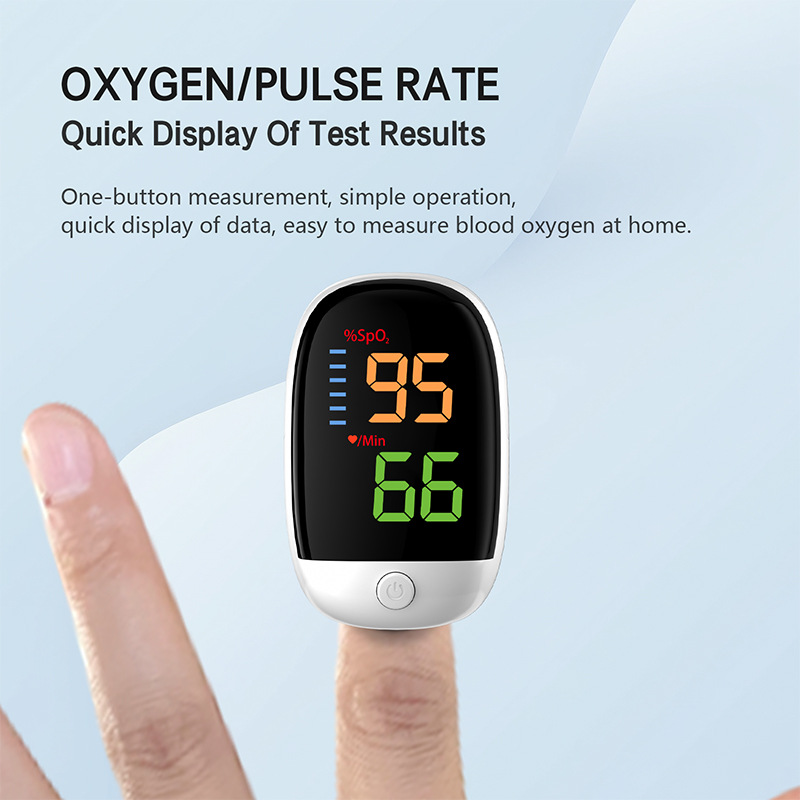
Modern fitness enthusiasts are increasingly turning to technology to optimize their workout routines and achieve better health outcomes. Among the most valuable tools available today is the heart rate monitor, a device that provides real-time insights into cardiovascular performance during exercise. This sophisticated technology has revolutionized how athletes and everyday fitness enthusiasts approach their training regimens, offering precise data that was once only available in clinical settings.
The integration of heart rate monitoring technology into fitness routines represents a fundamental shift toward data-driven exercise optimization. By providing continuous feedback about cardiovascular response to physical activity, these devices enable users to make informed decisions about workout intensity, duration, and recovery periods. This technological advancement has made professional-grade fitness monitoring accessible to individuals at all fitness levels, from beginners establishing baseline health metrics to elite athletes fine-tuning performance parameters.
Understanding Heart Rate Monitor Technology
Types of Heart Rate Monitoring Systems
Contemporary heart rate monitor systems come in various forms, each designed to meet specific user needs and preferences. Chest strap monitors utilize electrocardiogram technology to detect electrical signals from the heart, providing the most accurate readings available in consumer devices. These systems transmit data wirelessly to compatible devices, ensuring real-time monitoring without interference from movement or environmental factors.
Wrist-based optical heart rate monitors have gained popularity due to their convenience and comfort during extended wear periods. These devices use photoplethysmography technology to measure blood flow variations beneath the skin, translating this data into heart rate measurements. While slightly less precise than chest strap alternatives, modern wrist-based monitors have achieved remarkable accuracy improvements through advanced sensor technology and sophisticated algorithms.
Advanced Features in Modern Monitoring Devices
Today's heart rate monitor devices incorporate numerous advanced features that extend beyond basic pulse measurement capabilities. Heart rate variability analysis provides insights into autonomic nervous system function and recovery status, helping users optimize training schedules and prevent overexertion. Many devices also include GPS integration, allowing for comprehensive activity tracking that combines cardiovascular data with distance, pace, and route information.
Smart connectivity features enable seamless data synchronization with smartphones, fitness apps, and cloud-based platforms for long-term trend analysis. These integrations facilitate comprehensive health monitoring ecosystems that track progress over time, identify patterns, and provide personalized recommendations for fitness improvement. Advanced models also incorporate additional biometric sensors for measuring factors like skin temperature, galvanic skin response, and ambient light conditions.
Cardiovascular Health Benefits
Optimal Training Zone Identification
One of the primary advantages of using a heart rate monitor involves the ability to identify and maintain optimal training zones for specific fitness goals. Different heart rate ranges correspond to distinct physiological adaptations, from fat burning at lower intensities to anaerobic capacity development at higher intensities. By monitoring real-time heart rate data, users can ensure they remain within target zones throughout their workout sessions.
The precision offered by heart rate monitoring eliminates guesswork from exercise intensity management, replacing subjective effort perception with objective physiological measurements. This data-driven approach enables more efficient workouts by ensuring adequate stimulus for desired adaptations while preventing excessive strain that could lead to injury or burnout. Users can confidently adjust exercise intensity based on real-time feedback rather than relying on potentially inaccurate perceived exertion levels.
Enhanced Recovery Monitoring
Recovery monitoring represents another significant benefit of incorporating Heart Rate Monitor technology into fitness routines. Resting heart rate trends provide valuable insights into overall cardiovascular health and recovery status, with elevated readings potentially indicating inadequate rest or developing illness. By tracking these metrics consistently, users can make informed decisions about workout intensity and rest day scheduling.
Heart rate variability measurements offer additional recovery insights by analyzing the variation between heartbeat intervals. Higher variability typically indicates better autonomic nervous system balance and readiness for intense training, while reduced variability may suggest the need for additional recovery time. This information enables users to optimize training periodization and prevent overtraining syndrome through proactive monitoring.
Performance Optimization Strategies
Personalized Training Program Development
Heart rate monitor data serves as the foundation for developing highly personalized training programs tailored to individual physiological responses and fitness goals. By establishing baseline measurements and tracking progress over time, users can identify their unique response patterns to different exercise modalities and intensities. This information enables the creation of customized workout plans that maximize efficiency while minimizing injury risk.
The ability to track heart rate response across various activities provides insights into individual strengths and areas for improvement. Some individuals may demonstrate superior cardiovascular efficiency during steady-state activities, while others excel in interval-based training scenarios. Understanding these personal characteristics through consistent heart rate monitor usage allows for strategic exercise selection and program modification based on objective performance data.
Injury Prevention Through Data Analysis
Injury prevention represents a crucial benefit of heart rate monitor utilization, as excessive training intensity without adequate recovery often leads to overuse injuries and performance degradation. By monitoring heart rate patterns during exercise and recovery periods, users can identify early warning signs of overtraining before serious complications develop. Elevated resting heart rates, delayed recovery between intervals, and inability to reach target heart rates during exercise may indicate the need for reduced training intensity or additional rest.
Heart rate monitor technology also facilitates safe return-to-exercise protocols following illness or injury. By gradually increasing exercise intensity while monitoring cardiovascular response, users can ensure appropriate progression without risking setbacks or complications. This measured approach to activity resumption supports long-term health and fitness goals while minimizing the risk of re-injury or prolonged recovery periods.
Weight Management and Metabolic Benefits
Caloric Expenditure Accuracy
Accurate caloric expenditure estimation represents a significant advantage of heart rate monitor usage for individuals focused on weight management goals. Traditional methods of estimating calories burned during exercise often rely on generalized formulas that may not account for individual variations in fitness level, body composition, and metabolic efficiency. Heart rate monitor devices provide personalized caloric expenditure calculations based on actual cardiovascular effort during exercise sessions.
This improved accuracy in caloric expenditure tracking enables more precise energy balance calculations for weight loss or maintenance goals. Users can confidently adjust dietary intake based on actual exercise energy expenditure rather than potentially inaccurate estimations. The combination of heart rate monitor data with nutritional tracking applications creates comprehensive energy balance monitoring systems that support sustainable weight management strategies.
Metabolic Efficiency Optimization
Heart rate monitor technology facilitates metabolic efficiency optimization by identifying the exercise intensities that maximize fat oxidation and improve overall metabolic function. Different heart rate zones correspond to varying fuel utilization patterns, with lower intensities typically favoring fat metabolism while higher intensities rely more heavily on carbohydrate sources. Understanding these relationships enables users to structure workouts that align with specific metabolic goals.
Long-term heart rate monitor usage provides insights into metabolic adaptations that occur in response to consistent exercise participation. Improvements in cardiovascular efficiency are reflected in lower heart rates at given exercise intensities, indicating enhanced fitness and metabolic function. These measurable improvements serve as powerful motivation for continued exercise participation and lifestyle modification efforts.
Long-term Health Monitoring
Cardiovascular Disease Risk Assessment
Regular heart rate monitor usage contributes to comprehensive cardiovascular disease risk assessment through the collection of long-term heart rate pattern data. Trends in resting heart rate, exercise heart rate response, and recovery patterns provide valuable insights into overall cardiovascular health status. Healthcare providers can utilize this information to identify potential risk factors and implement preventive interventions before serious complications develop.
The ability to track heart rate variability over extended periods offers additional insights into autonomic nervous system function and overall health status. Reduced heart rate variability has been associated with increased cardiovascular disease risk, while maintained or improved variability suggests better health outcomes. Regular monitoring enables early detection of concerning trends and facilitates proactive healthcare management.
Sleep Quality and Recovery Assessment
Many modern heart rate monitor devices provide continuous monitoring capabilities that extend beyond exercise sessions to include sleep and recovery periods. Nocturnal heart rate patterns offer insights into sleep quality, stress levels, and recovery adequacy that complement daytime exercise data. This comprehensive monitoring approach provides a more complete picture of overall health and wellness status.
Sleep heart rate data can reveal important information about recovery quality and readiness for subsequent training sessions. Elevated nocturnal heart rates may indicate inadequate recovery, stress, or developing illness, while stable patterns suggest proper rest and adaptation. This information enables users to adjust training schedules and lifestyle factors to optimize recovery and performance outcomes.
FAQ
How accurate are consumer-grade heart rate monitors compared to medical devices
Consumer-grade heart rate monitors have achieved remarkable accuracy improvements in recent years, with high-quality chest strap devices typically providing readings within 1-3% of medical-grade electrocardiogram measurements during steady-state exercise. Wrist-based optical monitors generally maintain accuracy within 5-10% for most users during moderate exercise intensities. However, accuracy may decrease during high-intensity intervals, activities involving significant arm movement, or in individuals with certain physiological characteristics such as very dark skin tones or extensive arm hair.
What is the ideal heart rate zone for fat burning during exercise
The optimal fat-burning heart rate zone typically occurs at 60-70% of maximum heart rate, often referred to as the aerobic base zone. At this intensity level, the body preferentially utilizes fat as the primary fuel source while maintaining sustainable exercise duration. However, individual variations exist based on fitness level, metabolic efficiency, and training history. Heart rate monitor data can help identify personal fat oxidation zones through consistent monitoring and correlation with perceived effort and exercise duration capabilities.
Can heart rate monitors detect irregular heart rhythms or cardiac abnormalities
While consumer heart rate monitors can detect some irregular heart rhythm patterns, they are not designed as medical diagnostic devices and should not replace professional medical evaluation. Some advanced models can identify potential arrhythmias or unusually high or low heart rate readings and provide alerts to users. However, any concerning heart rate patterns or symptoms should be evaluated by qualified healthcare professionals using appropriate medical equipment and clinical assessment protocols.
How often should I calibrate or replace my heart rate monitor for optimal accuracy
Most modern heart rate monitors require minimal user calibration, as they automatically adjust to individual physiological characteristics over time through algorithm learning. However, chest strap electrode contacts should be cleaned regularly and may require replacement every 12-18 months depending on usage frequency. Wrist-based devices typically maintain accuracy for 2-3 years with proper care, though battery replacement may be necessary. Regular comparison with manual pulse checks or periodic professional fitness assessments can help verify continued accuracy and identify when replacement or recalibration may be beneficial.
Table of Contents
- Understanding Heart Rate Monitor Technology
- Cardiovascular Health Benefits
- Performance Optimization Strategies
- Weight Management and Metabolic Benefits
- Long-term Health Monitoring
-
FAQ
- How accurate are consumer-grade heart rate monitors compared to medical devices
- What is the ideal heart rate zone for fat burning during exercise
- Can heart rate monitors detect irregular heart rhythms or cardiac abnormalities
- How often should I calibrate or replace my heart rate monitor for optimal accuracy