EN
EN




A blood pressure cuff has become an essential tool for modern wellness management, enabling individuals to monitor their cardiovascular health from the comfort of their homes. This medical device provides accurate readings that help track blood pressure trends, identify potential health issues early, and maintain optimal wellness routines. Regular monitoring with a blood pressure cuff empowers people to take proactive steps toward better health outcomes and work more effectively with healthcare providers to manage their cardiovascular wellness.
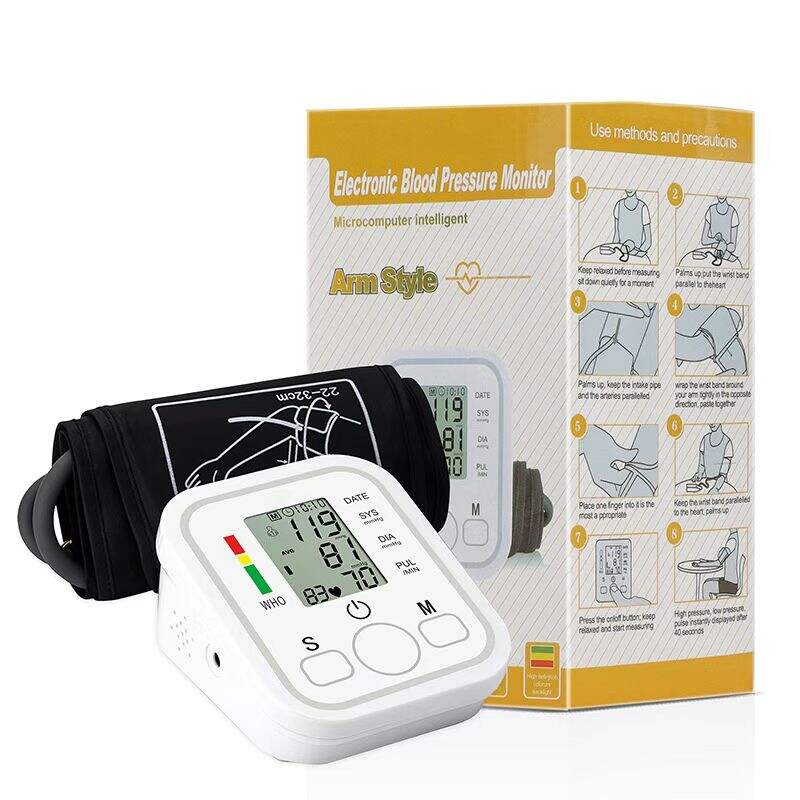
Understanding Blood Pressure Monitoring Technology
Digital Accuracy and Measurement Principles
Modern digital blood pressure cuff devices utilize oscillometric technology to detect arterial wall movements during inflation and deflation cycles. This advanced measurement system analyzes pressure variations within the cuff to determine systolic and diastolic readings with remarkable precision. The automated inflation process eliminates human error while providing consistent results that medical professionals trust for diagnostic purposes.
The electronic sensors within a blood pressure cuff can detect minute pressure changes as small as one millimeter of mercury, ensuring accurate readings across various patient demographics. These devices incorporate sophisticated algorithms that filter out motion artifacts and irregular heartbeat patterns to deliver reliable measurements. Professional-grade blood pressure cuff models often include multiple measurement modes to accommodate different patient needs and clinical scenarios.
Cuff Design and Sizing Considerations
Proper cuff sizing remains crucial for accurate blood pressure measurements, as incorrectly sized cuffs can lead to significant reading errors. A blood pressure cuff that is too small may produce artificially elevated readings, while an oversized cuff might underestimate actual blood pressure values. Most quality devices include adjustable cuffs that accommodate arm circumferences ranging from pediatric to extra-large adult sizes.
The bladder length within a blood pressure cuff should encircle approximately eighty percent of the upper arm circumference to ensure optimal compression distribution. Modern cuff materials incorporate breathable fabrics and comfortable padding to enhance patient comfort during extended monitoring sessions. Some advanced models feature specially designed cuffs with visual sizing indicators to help users select the appropriate fit for accurate measurements.
Health Benefits of Regular Blood Pressure Monitoring
Early Detection of Cardiovascular Issues
Regular use of a blood pressure cuff enables early identification of hypertension, often called the silent killer because it typically presents no obvious symptoms. This proactive monitoring approach allows individuals to detect rising blood pressure trends before they develop into serious cardiovascular conditions requiring intensive medical intervention. Early detection through consistent blood pressure cuff use can prevent heart attacks, strokes, and other life-threatening complications.
Healthcare studies demonstrate that patients who monitor their blood pressure regularly using a quality blood pressure cuff show improved long-term cardiovascular outcomes compared to those who rely solely on periodic clinical measurements. The ability to track blood pressure patterns over time provides valuable data that helps physicians make more informed treatment decisions and medication adjustments. This collaborative approach between patient self-monitoring and professional medical care creates optimal conditions for cardiovascular health management.
Medication Management and Treatment Optimization
A blood pressure cuff serves as an invaluable tool for patients taking antihypertensive medications, allowing them to monitor treatment effectiveness and identify potential side effects. Regular monitoring helps determine optimal medication timing and dosage adjustments in consultation with healthcare providers. This real-time feedback enables more precise treatment protocols tailored to individual patient responses and lifestyle factors.
Patients using a blood pressure cuff for medication monitoring can document how different factors affect their readings, including stress levels, dietary changes, exercise routines, and sleep patterns. This comprehensive data collection supports evidence-based treatment modifications that improve therapeutic outcomes while minimizing adverse effects. The ability to track medication effectiveness through consistent blood pressure cuff use enhances patient engagement in their treatment plans and promotes better adherence to prescribed regimens.
Integration into Daily Wellness Routines
Establishing Consistent Monitoring Schedules
Incorporating blood pressure cuff measurements into daily wellness routines requires establishing consistent timing and environmental conditions for optimal accuracy. Most healthcare professionals recommend taking readings at the same times each day, typically in the morning before medications and in the evening before dinner. This standardized approach with a Blood Pressure Cuff creates reliable baseline data for tracking long-term trends and identifying concerning variations.
Creating a dedicated quiet space for blood pressure cuff use enhances measurement accuracy by minimizing external distractions and environmental factors that might influence readings. Patients should avoid caffeine, exercise, and stressful activities for at least thirty minutes before using their blood pressure cuff to ensure representative measurements. Maintaining detailed logs of readings, including date, time, and relevant circumstances, provides valuable information for healthcare consultations and treatment planning.
Technology Integration and Data Management
Modern blood pressure cuff models often include connectivity features that automatically sync measurements with smartphone applications and electronic health records. This seamless integration eliminates manual data entry errors while creating comprehensive health profiles that can be easily shared with healthcare providers. Many devices store hundreds of readings with timestamp information, enabling detailed analysis of blood pressure patterns over extended periods.
Smart blood pressure cuff devices can generate automated reports and trend analyses that highlight significant changes or concerning patterns requiring medical attention. These technological features transform a simple monitoring device into a comprehensive health management system that supports informed decision-making about lifestyle modifications and treatment adjustments. The ability to track multiple user profiles makes these devices ideal for family wellness monitoring and shared healthcare management.
Selecting the Right Blood Pressure Cuff
Key Features and Specifications
When choosing a blood pressure cuff for personal use, accuracy validation and clinical certification should be primary considerations. Look for devices that have received approval from recognized medical organizations and demonstrate consistent performance across diverse user populations. Memory capacity, display readability, and ease of operation are additional factors that influence the practical utility of a blood pressure cuff in daily wellness routines.
Battery life and power source options significantly impact the convenience and reliability of blood pressure cuff use, particularly for frequent monitoring schedules. Some models offer both battery operation and AC adapter compatibility, providing flexibility for home and travel use. Advanced features such as irregular heartbeat detection, averaging functions, and user-friendly interfaces enhance the overall value and effectiveness of a blood pressure cuff investment.
Professional vs Consumer Grade Options
Professional-grade blood pressure cuff devices typically offer superior accuracy, durability, and advanced features compared to basic consumer models. These devices often include calibration capabilities, extended warranty coverage, and compatibility with clinical documentation systems. While professional models represent a higher initial investment, they provide long-term value through enhanced reliability and comprehensive feature sets.
Consumer-grade blood pressure cuff options balance affordability with essential monitoring capabilities, making them accessible for routine wellness management. These devices incorporate user-friendly designs and simplified operation while maintaining adequate accuracy for home monitoring applications. The choice between professional and consumer blood pressure cuff models depends on individual monitoring needs, frequency of use, and integration requirements with existing healthcare systems.
Lifestyle Factors Affecting Blood Pressure Readings
Environmental and Physical Influences
Environmental factors such as room temperature, noise levels, and seating position can significantly impact blood pressure cuff readings and should be controlled for consistent monitoring results. Extreme temperatures may affect both the device calibration and the patient's physiological response, leading to inaccurate measurements. Maintaining a comfortable, quiet environment optimizes blood pressure cuff performance and ensures representative readings.
Physical positioning during blood pressure cuff use requires specific attention to arm height, back support, and leg placement for accurate measurements. The measurement arm should be positioned at heart level with adequate support to prevent muscle tension that might artificially elevate readings. Proper positioning protocols maximize the effectiveness of blood pressure cuff monitoring and improve the reliability of collected data.
Dietary and Lifestyle Considerations
Dietary factors including sodium intake, caffeine consumption, and alcohol use can temporarily influence blood pressure readings obtained with a blood pressure cuff. Understanding these relationships helps users interpret their measurements more accurately and make informed lifestyle adjustments to support cardiovascular health. Regular monitoring with a blood pressure cuff can reveal correlations between dietary choices and blood pressure responses.
Exercise timing and intensity significantly affect blood pressure measurements, requiring careful consideration when using a blood pressure cuff for wellness monitoring. Post-exercise readings may remain elevated for several hours, while regular physical activity generally promotes lower baseline blood pressure values over time. Incorporating blood pressure cuff monitoring into fitness routines provides valuable feedback about cardiovascular adaptation and exercise effectiveness.
FAQ
How often should I use a blood pressure cuff for wellness monitoring?
For general wellness monitoring, using a blood pressure cuff twice daily at consistent times provides adequate data for tracking trends and identifying potential concerns. Individuals with diagnosed hypertension or cardiovascular conditions may require more frequent monitoring as recommended by their healthcare providers. The key is establishing a routine that provides meaningful data without becoming burdensome or anxiety-inducing.
Can a blood pressure cuff replace regular medical checkups?
While a blood pressure cuff is an excellent tool for ongoing monitoring and wellness management, it cannot replace comprehensive medical evaluations and professional healthcare guidance. Home monitoring supplements clinical care by providing additional data points and enabling more frequent tracking between medical appointments. Regular consultation with healthcare providers remains essential for interpreting readings and making treatment decisions.
What factors can cause inaccurate blood pressure cuff readings?
Several factors can affect blood pressure cuff accuracy, including improper cuff sizing, incorrect positioning, recent physical activity, caffeine consumption, and talking during measurements. Device calibration issues, low battery levels, and environmental factors such as extreme temperatures may also influence reading accuracy. Following manufacturer guidelines and maintaining consistent measurement conditions helps ensure reliable results.
How do I know if my blood pressure cuff needs calibration or replacement?
Signs that a blood pressure cuff may need attention include consistently different readings compared to clinical measurements, error messages, difficulty inflating or deflating, or physical damage to the cuff or device. Most manufacturers recommend annual calibration checks or comparison with clinical-grade equipment to verify accuracy. If readings consistently vary significantly from professional measurements, consider device evaluation or replacement.