EN
EN



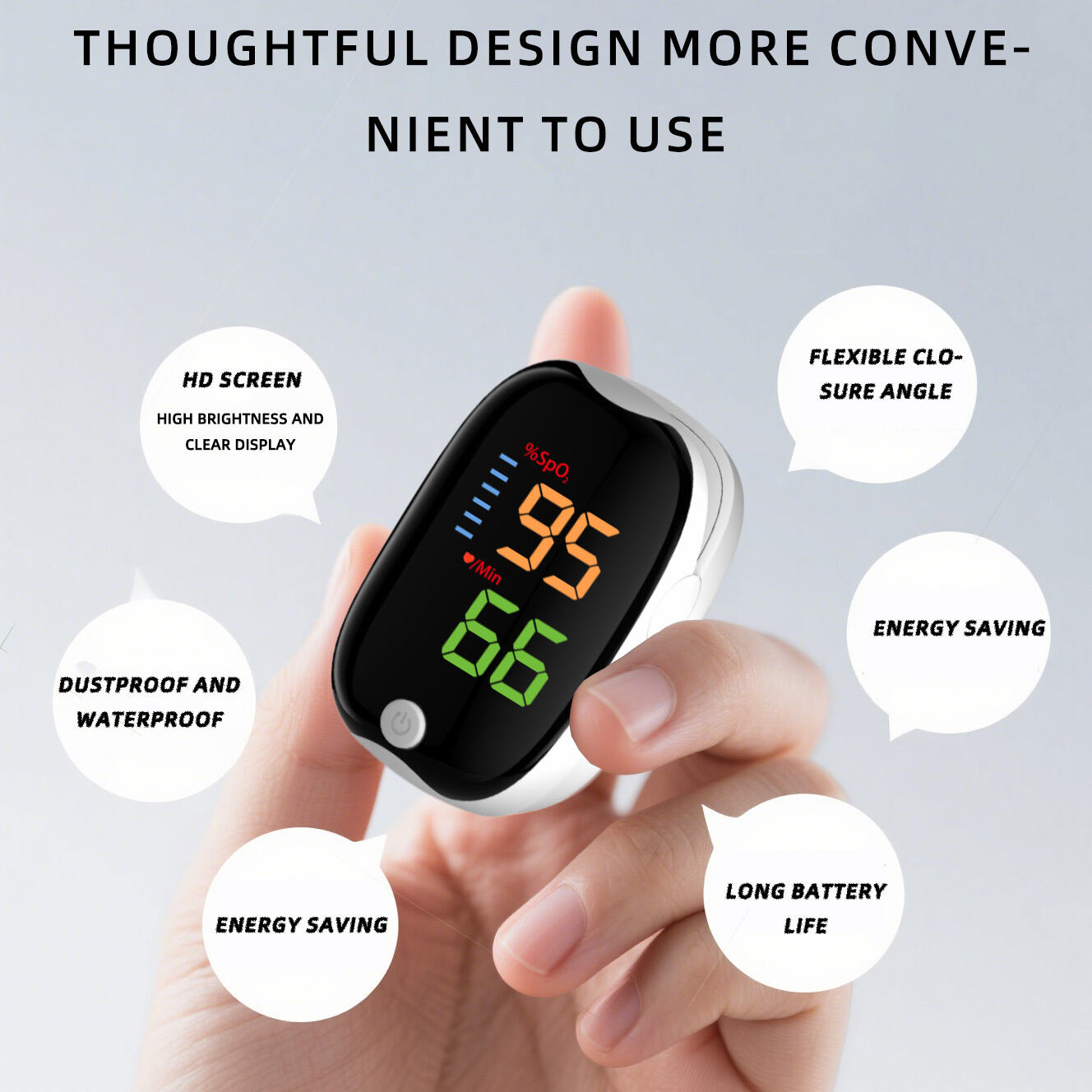
Understanding your cardiovascular health has never been more critical in today's fast-paced world. A heart rate monitor serves as an essential tool for tracking your pulse, providing valuable insights into your fitness level, recovery status, and overall cardiac wellness. Whether you're a professional athlete, fitness enthusiast, or someone focused on maintaining optimal health, monitoring your heart rate can revolutionize how you approach exercise and daily activities.
The technology behind modern heart rate monitoring has evolved significantly, offering unprecedented accuracy and convenience. From chest strap sensors to wrist-based optical monitors, these devices capture real-time cardiovascular data that can inform training decisions, health assessments, and lifestyle modifications. The physiological benefits of consistent heart rate tracking extend beyond simple pulse measurement, encompassing metabolic efficiency, stress management, and performance optimization.
Essential Benefits of Heart Rate Monitoring
Optimized Training Intensity
Training with a heart rate monitor ensures you're exercising within the appropriate intensity zones for your specific fitness goals. Whether targeting fat burning, aerobic capacity, or anaerobic threshold, these devices provide precise feedback that prevents overtraining while maximizing workout effectiveness. Athletes and fitness enthusiasts who incorporate heart rate monitor data into their training protocols often experience faster improvements in cardiovascular endurance and performance metrics.
Zone-based training becomes remarkably straightforward when you have access to continuous heart rate data. Your monitor can alert you when you're working too hard or not challenging yourself sufficiently, allowing for real-time adjustments to exercise intensity. This scientific approach to fitness eliminates guesswork and ensures every training session contributes meaningfully to your overall conditioning goals.
Recovery and Overtraining Prevention
Monitoring your resting heart rate with a heart rate monitor provides crucial insights into your recovery status and overall fitness progression. A consistently elevated resting heart rate may indicate inadequate recovery, illness onset, or excessive training stress. By tracking these patterns over time, you can make informed decisions about when to push harder in training and when to prioritize rest and recovery.
Heart rate variability measurements, available through advanced monitoring systems, offer even deeper insights into your autonomic nervous system function and stress levels. This data can guide training periodization, sleep optimization, and stress management strategies, ultimately leading to improved performance and reduced injury risk.
Health Monitoring and Medical Applications
Cardiovascular Health Assessment
Regular heart rate monitoring serves as an early warning system for potential cardiovascular issues, allowing for proactive health management. Changes in heart rate patterns, exercise heart rate response, or recovery metrics can indicate developing conditions that warrant medical attention. Healthcare professionals increasingly recommend heart rate monitor usage for patients with cardiac conditions, diabetes, and hypertension.
The ability to share comprehensive heart rate data with healthcare providers enhances the quality of medical consultations and treatment decisions. Detailed records of heart rate trends, exercise responses, and daily patterns provide valuable context that can influence medication adjustments, treatment protocols, and lifestyle recommendations.
Weight Management and Metabolic Insights
A Heart Rate Monitor plays a crucial role in effective weight management by accurately estimating caloric expenditure during various activities. Understanding how different exercises and intensities affect your heart rate helps optimize workouts for fat burning and metabolic enhancement. This precision in calorie tracking supports more effective weight loss or maintenance strategies.
The relationship between heart rate zones and fat oxidation becomes clear when you consistently monitor your cardiovascular response to exercise. Lower intensity activities that maintain your heart rate within the fat-burning zone can be particularly effective for weight management when combined with higher intensity sessions that boost metabolic rate.
Technology and Device Selection Considerations
Accuracy and Reliability Features
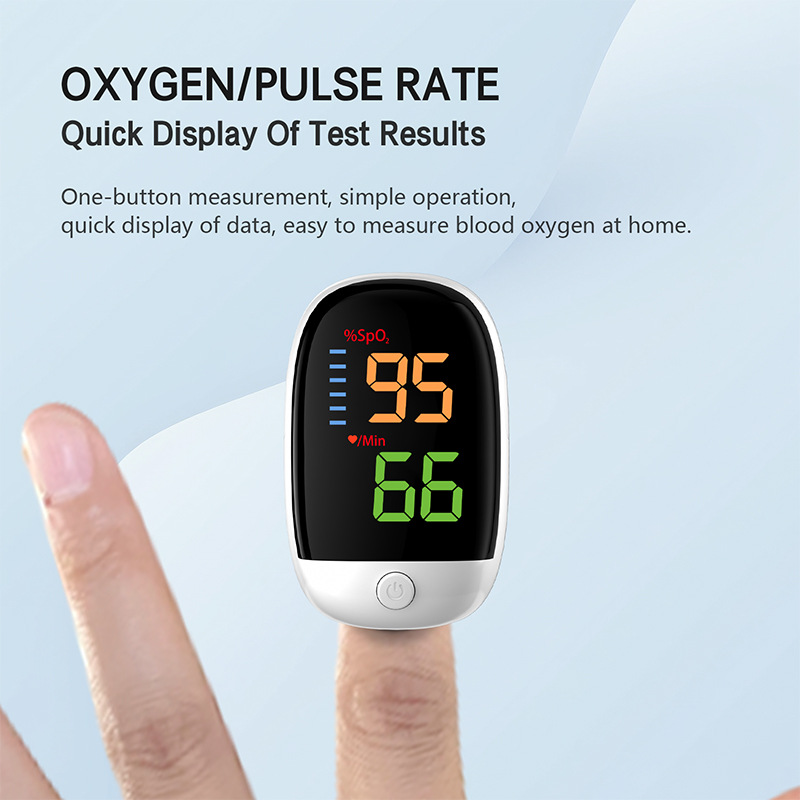
Modern heart rate monitor technology has reached impressive levels of accuracy, with optical sensors and chest strap systems providing reliable data for most users. When selecting a monitoring device, consider factors such as measurement precision during different activities, battery life, connectivity options, and compatibility with fitness apps and platforms. The most effective heart rate monitor for your needs depends on your specific activities, budget, and desired features.
Advanced features like GPS integration, smartphone connectivity, and comprehensive data analysis capabilities enhance the value proposition of premium monitoring systems. These additional functionalities allow for more detailed activity tracking, route mapping, and long-term trend analysis that can inform training and health decisions.
Integration with Fitness Ecosystems
The ability to sync your heart rate monitor data with popular fitness platforms and health apps maximizes the utility of your cardiovascular information. Seamless integration allows for comprehensive activity tracking, social sharing, coach communication, and detailed performance analysis across multiple devices and platforms. This connectivity ensures your heart rate data contributes to a holistic view of your health and fitness journey.
Cloud-based data storage and analysis provide long-term insights into cardiovascular trends, seasonal variations, and training adaptations. Access to historical heart rate monitor data enables identification of patterns that might not be apparent from day-to-day observations, supporting more informed decisions about training, health, and lifestyle modifications.
Practical Applications Across Different Activities
Endurance Sports and Cardio Training
Endurance athletes rely heavily on heart rate monitor feedback to optimize training intensity, pacing strategies, and race day performance. The ability to maintain specific heart rate zones during long training sessions ensures appropriate stimulus for aerobic development while preventing excessive fatigue. Marathon runners, cyclists, and triathletes use this data to develop efficient pacing strategies that maximize performance while minimizing the risk of early exhaustion.
Interval training becomes significantly more precise when guided by heart rate monitor data, allowing for accurate work-to-rest ratios and intensity control. This precision ensures that high-intensity intervals achieve the desired physiological adaptations while recovery periods provide adequate restoration between efforts.
Strength Training and High-Intensity Workouts
While traditionally associated with cardiovascular exercise, heart rate monitor usage during strength training and high-intensity workouts provides valuable insights into workout intensity and recovery needs. Monitoring cardiovascular response during resistance training can indicate when rest periods are adequate and help optimize training density for maximum efficiency.
High-intensity interval training protocols benefit significantly from heart rate monitor guidance, ensuring participants reach target intensity levels while maintaining safety margins. The real-time feedback helps individuals push their limits appropriately while recognizing when modifications are necessary due to fatigue or other factors.
Long-term Health Benefits and Lifestyle Integration
Stress Management and Mental Health
Beyond physical fitness applications, heart rate monitor technology contributes to stress management and mental health awareness through continuous monitoring of cardiovascular responses to daily stressors. Recognizing how different situations, activities, and emotional states affect your heart rate can inform stress reduction strategies and lifestyle modifications that support overall wellbeing.
Breathing exercises, meditation practices, and relaxation techniques can be optimized using heart rate monitor feedback, providing objective measures of their effectiveness. This biofeedback approach to stress management offers concrete evidence of improvement and motivation to maintain beneficial practices.
Sleep Quality and Recovery Optimization
Nighttime heart rate monitoring provides insights into sleep quality, recovery status, and overall health trends that daytime measurements cannot capture. Changes in nocturnal heart rate patterns can indicate illness onset, overtraining, or sleep disorders that warrant attention. Advanced heart rate monitor systems track sleep stages and recovery metrics that guide decisions about training intensity and rest day scheduling.
The correlation between heart rate variability during sleep and next-day performance helps optimize training schedules and lifestyle decisions. Understanding these relationships enables proactive adjustments to training, nutrition, and sleep habits that support optimal recovery and performance.
FAQ
How accurate are modern heart rate monitors compared to medical-grade equipment
Modern consumer heart rate monitors, particularly chest strap models, achieve accuracy levels within 1-2% of medical-grade electrocardiogram readings during steady-state activities. Wrist-based optical sensors typically maintain 95-98% accuracy during most exercises, though precision may decrease during activities involving significant arm movement or extreme environmental conditions. For most fitness and health monitoring applications, consumer-grade devices provide sufficient accuracy to guide training decisions and health assessments effectively.
What heart rate zones should I target for different fitness goals
Heart rate training zones typically range from 50% to 90% of your maximum heart rate, with different zones serving specific physiological adaptations. Zone 1 (50-60%) supports active recovery and fat burning, Zone 2 (60-70%) develops aerobic base fitness, Zone 3 (70-80%) improves aerobic capacity, Zone 4 (80-90%) enhances lactate threshold, and Zone 5 (90%+) targets neuromuscular power. Your heart rate monitor should be programmed with personalized zones based on your age, fitness level, and specific goals rather than generic formulas.
Can heart rate monitoring help detect health problems early
Consistent heart rate monitor usage can identify changes in cardiovascular patterns that may warrant medical attention, including irregular rhythms, unexplained increases in resting heart rate, or abnormal exercise responses. While these devices are not diagnostic tools, they provide valuable trend data that healthcare professionals can use alongside other assessments. Significant changes in heart rate patterns, recovery metrics, or exercise tolerance should prompt consultation with medical professionals for proper evaluation and diagnosis.
How often should I wear a heart rate monitor for optimal benefits
For comprehensive health and fitness insights, wearing your heart rate monitor during all exercise sessions and periodically throughout daily activities provides the most valuable data. Many users benefit from 24/7 monitoring during initial assessment periods to establish baseline patterns, followed by consistent use during workouts and periodic all-day monitoring to track trends. The frequency depends on your goals, with serious athletes often monitoring continuously while casual fitness enthusiasts may focus primarily on exercise sessions and periodic health checks.