EN
EN



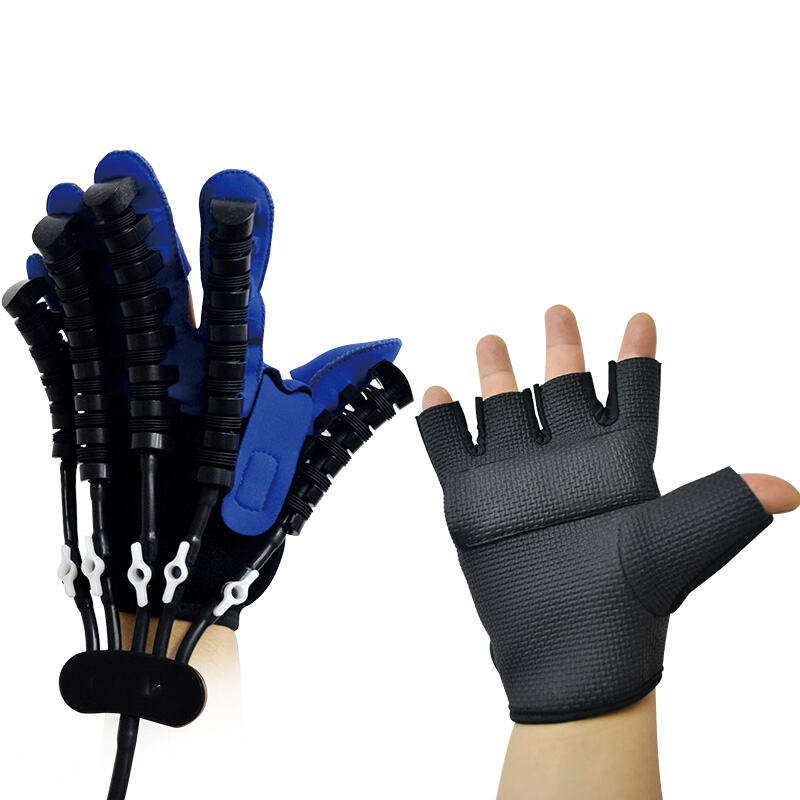
A hand therapy glove represents a revolutionary approach to rehabilitation that transforms how patients recover from hand injuries, neurological conditions, and post-surgical procedures. These specialized therapeutic devices utilize advanced technologies to provide targeted stimulation, controlled resistance, and guided movement patterns that accelerate the natural healing process. Understanding the mechanisms behind how a hand therapy glove facilitates faster recovery requires examining the physiological principles, therapeutic modalities, and clinical applications that make these devices so effective in modern rehabilitation medicine.
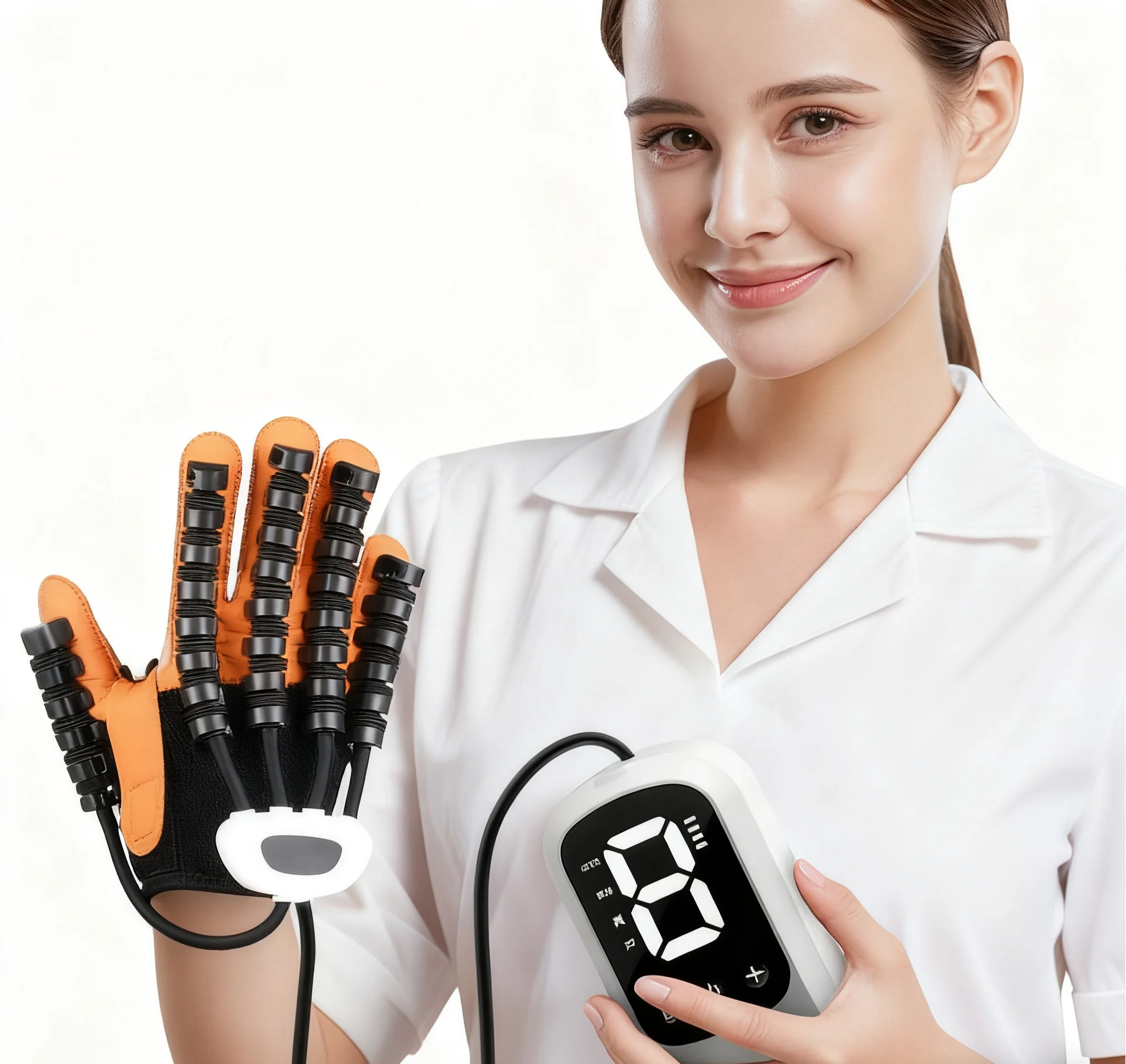
The acceleration of recovery through hand therapy glove technology stems from its ability to address multiple recovery barriers simultaneously. Traditional rehabilitation methods often face limitations in providing consistent stimulation, maintaining proper form during exercises, and ensuring optimal therapeutic dosage. A hand therapy glove overcomes these challenges by delivering precise, controlled therapeutic interventions that maximize neuroplasticity, enhance circulation, reduce inflammation, and restore functional movement patterns. This multifaceted approach creates synergistic effects that compound recovery benefits, ultimately reducing rehabilitation timelines and improving patient outcomes significantly.
Neuroplasticity Enhancement Through Controlled Stimulation
Targeted Neural Pathway Activation
The primary mechanism through which a hand therapy glove accelerates recovery lies in its ability to enhance neuroplasticity through controlled stimulation patterns. These devices deliver precise electrical impulses, vibrations, or pneumatic pressure that specifically target damaged neural pathways while promoting the formation of new neural connections. The controlled stimulation provided by a hand therapy glove creates optimal conditions for synaptic strengthening, allowing the brain to reorganize and adapt more efficiently than traditional passive recovery methods.
Clinical research demonstrates that consistent, targeted stimulation through hand therapy glove technology can activate dormant neural pathways and encourage the development of compensatory neural networks. This process, known as activity-dependent plasticity, requires precise timing and intensity that manual therapy alone cannot consistently provide. The hand therapy glove ensures that each therapeutic session delivers optimal stimulation parameters, maximizing the brain's capacity to rewire itself and restore lost function.
The sophisticated sensors embedded within modern hand therapy glove systems monitor patient responses in real-time, adjusting stimulation intensity and patterns based on individual progress markers. This adaptive approach ensures that the neural system receives appropriate challenges without overwhelming healing tissues, creating an optimal environment for accelerated neuroplasticity and functional recovery.
Motor Learning Facilitation
A hand therapy glove facilitates faster recovery by optimizing motor learning processes through guided movement patterns and sensory feedback enhancement. The device provides consistent proprioceptive input that helps patients relearn proper movement sequences while preventing the development of compensatory movement patterns that could hinder long-term recovery. This guided learning approach accelerates the restoration of complex hand functions that require precise coordination between multiple muscle groups.
The feedback mechanisms integrated into hand therapy glove systems provide immediate corrective input when patients deviate from optimal movement patterns. This real-time correction prevents the reinforcement of incorrect motor programs while strengthening proper movement engrams. The result is faster acquisition of functional skills and reduced risk of developing chronic movement dysfunctions that often complicate traditional rehabilitation approaches.
Progressive resistance features within hand therapy glove technology allow for graduated motor learning challenges that adapt to patient progress. As neural pathways strengthen and motor control improves, the device automatically adjusts difficulty levels to maintain optimal therapeutic challenge without overwhelming recovering systems. This intelligent progression ensures continuous improvement while minimizing setbacks that can occur with poorly calibrated manual therapy approaches.
Circulatory Enhancement and Tissue Healing Acceleration
Improved Blood Flow Dynamics
The mechanical compression and decompression cycles generated by a hand therapy glove create significant improvements in local circulation that directly accelerate tissue healing processes. These devices utilize graduated compression patterns that mimic the natural muscle pump mechanism, promoting venous return while enhancing arterial inflow to healing tissues. The improved circulation delivers essential nutrients, oxygen, and growth factors to injured areas while facilitating the removal of metabolic waste products that can impede recovery.
Pneumatic compression features in advanced hand therapy glove systems provide precisely controlled pressure waves that stimulate endothelial function and promote vasodilation. This enhanced vascular response increases tissue perfusion beyond what passive movement or traditional compression garments can achieve. The rhythmic compression and release cycles also help prevent the formation of adhesions and scar tissue that commonly develop during prolonged immobilization periods.
Temperature regulation capabilities integrated into many hand therapy glove designs further enhance circulatory benefits by providing controlled thermal therapy. Gentle warming promotes vasodilation and enhances the delivery of therapeutic agents to healing tissues, while controlled cooling can reduce inflammation and manage pain during acute recovery phases. This temperature modulation works synergistically with compression therapy to optimize healing conditions.
Lymphatic Drainage Optimization
A hand therapy glove significantly accelerates recovery by optimizing lymphatic drainage through specialized massage patterns and compression sequences. The lymphatic system plays a crucial role in removing inflammatory byproducts and excess fluid from healing tissues, and any impairment in lymphatic function can significantly delay recovery. The controlled pressure patterns generated by these devices stimulate lymphatic vessel contractions and promote the efficient removal of inflammatory mediators.
The sequential compression patterns programmed into hand therapy glove systems follow anatomically correct lymphatic drainage pathways, ensuring that fluid movement follows natural physiological channels. This targeted approach prevents lymphatic stagnation and reduces tissue edema more effectively than random compression or manual lymphatic drainage techniques. The consistent application of appropriate pressure gradients maintains optimal lymphatic flow throughout the recovery period.
Advanced hand therapy glove designs incorporate multiple pressure chambers that can be independently controlled to create wave-like compression patterns that closely mimic natural lymphatic pumping mechanisms. This sophisticated approach to lymphatic drainage management reduces recovery time by maintaining optimal tissue fluid balance and preventing the accumulation of inflammatory substances that can perpetuate tissue damage and delay healing.
Inflammation Control and Pain Management
Active Inflammation Modulation
The controlled mechanical stimulation provided by a hand therapy glove creates specific anti-inflammatory effects that accelerate the transition from acute to regenerative healing phases. The rhythmic compression and movement patterns stimulate the release of endogenous anti-inflammatory mediators while promoting the clearance of pro-inflammatory substances from injured tissues. This active modulation of the inflammatory response prevents chronic inflammation that can significantly prolong recovery periods.
Vibration therapy features incorporated into many hand therapy glove systems provide additional anti-inflammatory benefits through mechanotransduction pathways. The controlled vibrations stimulate cellular mechanoreceptors that trigger anti-inflammatory signaling cascades, reducing tissue swelling and promoting the resolution of inflammatory processes. This mechanical approach to inflammation control offers advantages over pharmacological interventions by avoiding potential side effects while providing sustained therapeutic benefits.
The combination of compression, movement, and thermal therapy delivered by advanced hand therapy glove systems creates synergistic anti-inflammatory effects that exceed the benefits of individual therapeutic modalities. This integrated approach addresses multiple inflammatory pathways simultaneously, resulting in more comprehensive inflammation control and faster progression through healing phases.
Pain Pathway Interruption
A hand therapy glove facilitates faster recovery by interrupting pain transmission pathways through gate control mechanisms and endogenous opioid release. The sensory stimulation provided by these devices activates large-diameter nerve fibers that compete with pain signals transmitted through smaller nerve fibers, effectively reducing pain perception. This pain reduction allows patients to participate more actively in rehabilitation exercises, accelerating functional recovery.
The controlled movement patterns generated by hand therapy glove technology stimulate the release of endorphins and other natural pain-relieving substances. This endogenous analgesia provides sustained pain relief without the side effects associated with pharmaceutical pain management approaches. The natural pain control achieved through hand therapy glove therapy enables patients to maintain higher activity levels throughout the recovery process.
Transcutaneous electrical nerve stimulation features integrated into some hand therapy glove designs provide additional pain management benefits through direct neural modulation. These electrical stimulation patterns can be precisely controlled to target specific pain pathways while avoiding interference with healing neural networks. The combination of mechanical and electrical pain control mechanisms provides comprehensive pain management that supports accelerated recovery.
Functional Movement Pattern Restoration
Progressive Range of Motion Recovery
The guided movement capabilities of a hand therapy glove ensure systematic restoration of joint range of motion through controlled, progressive mobilization techniques. These devices provide precise control over movement amplitude, velocity, and resistance, allowing for optimal loading of healing tissues without risking re-injury. The systematic progression of range of motion exercises facilitated by hand therapy glove technology prevents the formation of contractures and adhesions that commonly complicate recovery.
Passive range of motion features in hand therapy glove systems maintain joint mobility during periods when active movement is contraindicated. The controlled passive movements prevent joint stiffness and maintain tissue extensibility while healing processes continue. This early mobilization approach significantly reduces the risk of permanent range of motion limitations that can result from prolonged immobilization.
The transition from passive to active-assisted and finally to active range of motion is seamlessly managed through programmable features within advanced hand therapy glove systems. This graduated approach ensures that tissues are appropriately challenged at each stage of healing while maintaining safety margins that prevent setbacks. The precise control offered by these devices allows for optimal timing of mobility progression based on individual healing responses.
Strength and Coordination Development
A hand therapy glove accelerates recovery by providing controlled resistance training that systematically rebuilds strength while protecting healing tissues from excessive loads. The adjustable resistance features allow for progressive strengthening that matches tissue healing capacity, ensuring optimal loading for collagen synthesis and muscle fiber regeneration. This controlled approach to strength development prevents the weakness and deconditioning that commonly prolong recovery periods.
Coordination training capabilities integrated into hand therapy glove systems challenge proprioceptive and motor control systems through variable resistance and unpredictable movement patterns. These exercises restore the complex neural coordination required for functional hand use while building strength in supporting muscle groups. The combination of strength and coordination training accelerates the return to functional activities.
Fine motor skill restoration is particularly enhanced through hand therapy glove technology that provides precise feedback and guidance during complex manipulation tasks. The devices can simulate various functional activities while providing corrective feedback that accelerates skill reacquisition. This task-specific training approach ensures that recovered strength and mobility translate into practical functional improvements.
Treatment Compliance and Consistency Benefits
Enhanced Patient Engagement
The convenience and comfort provided by modern hand therapy glove systems significantly improve treatment compliance rates, which directly correlates with faster recovery outcomes. Patients can utilize these devices in their home environment without requiring constant supervision, making therapy sessions more accessible and less disruptive to daily routines. The improved compliance facilitated by hand therapy glove technology ensures that patients receive optimal therapeutic dosage throughout their recovery period.
Interactive features and progress tracking capabilities built into many hand therapy glove systems provide motivational feedback that encourages continued participation in therapy programs. Patients can monitor their improvement in real-time, creating positive reinforcement that sustains engagement throughout the recovery process. This enhanced motivation contributes significantly to faster recovery by maintaining consistent therapeutic participation.
The reduced dependency on healthcare facility visits made possible by home-based hand therapy glove therapy removes common barriers to treatment compliance such as transportation challenges, scheduling conflicts, and time constraints. This accessibility ensures that therapy continues without interruption, maintaining therapeutic momentum that accelerates recovery progress.
Consistent Therapeutic Delivery
A hand therapy glove provides consistent therapeutic delivery that eliminates the variability inherent in manual therapy approaches. Each treatment session delivers precisely controlled stimulation, compression, and movement parameters that ensure optimal therapeutic benefit. This consistency prevents the fluctuations in treatment quality that can slow recovery progress when therapy depends on manual techniques alone.
The standardized treatment protocols programmed into hand therapy glove systems ensure that evidence-based therapeutic approaches are consistently applied throughout the recovery period. This standardization eliminates the risk of suboptimal treatment delivery that can occur with varying practitioner techniques or patient self-management approaches. The consistent application of proven therapeutic methods maximizes recovery efficiency.
Automated progression algorithms within advanced hand therapy glove systems adjust treatment parameters based on objective progress measurements rather than subjective assessments. This data-driven approach to treatment progression ensures that therapeutic challenges remain appropriately calibrated to promote continued improvement while preventing overexertion or underutilization of healing capacity.
FAQ
How quickly can patients expect to see improvements when using a hand therapy glove?
Most patients using a hand therapy glove begin experiencing noticeable improvements within the first two to four weeks of consistent use. Initial benefits typically include reduced pain, decreased swelling, and improved range of motion. Functional improvements such as increased grip strength and enhanced fine motor control usually become apparent within four to eight weeks, depending on the severity of the condition and individual healing capacity. The accelerated recovery facilitated by hand therapy glove technology can reduce overall rehabilitation time by 30-50% compared to traditional therapy approaches alone.
Can a hand therapy glove be used for different types of hand conditions?
Yes, a hand therapy glove is effective for a wide range of conditions including stroke recovery, arthritis management, post-surgical rehabilitation, nerve injury recovery, and repetitive strain injury treatment. The programmable features allow the device to be customized for different conditions by adjusting stimulation patterns, compression levels, and movement parameters. Each condition benefits from the core mechanisms of enhanced circulation, controlled movement, and neuroplasticity stimulation, though specific protocols may vary based on the underlying pathology and recovery goals.
Are there any safety considerations when using a hand therapy glove?
Hand therapy glove systems are generally very safe when used according to manufacturer guidelines and healthcare provider recommendations. Patients should avoid using the device over areas with active infections, open wounds, or severe circulatory compromise. Those with pacemakers or other implanted electronic devices should consult with their healthcare provider before use. The automated safety features built into most hand therapy glove systems prevent excessive pressure or stimulation that could cause tissue damage, making them safer than many manual therapy techniques.
How does a hand therapy glove compare to traditional physical therapy methods?
A hand therapy glove complements rather than replaces traditional physical therapy by providing consistent, controlled therapeutic interventions that can be delivered outside clinical settings. While traditional therapy relies on manual techniques and patient-performed exercises that may lack consistency, the hand therapy glove ensures standardized treatment delivery with precise parameter control. The combination of both approaches typically produces superior outcomes, with the hand therapy glove accelerating progress between therapy sessions and maintaining therapeutic benefits throughout the recovery period. This integrated approach reduces overall recovery time while improving functional outcomes.
Table of Contents
- Neuroplasticity Enhancement Through Controlled Stimulation
- Circulatory Enhancement and Tissue Healing Acceleration
- Inflammation Control and Pain Management
- Functional Movement Pattern Restoration
- Treatment Compliance and Consistency Benefits
-
FAQ
- How quickly can patients expect to see improvements when using a hand therapy glove?
- Can a hand therapy glove be used for different types of hand conditions?
- Are there any safety considerations when using a hand therapy glove?
- How does a hand therapy glove compare to traditional physical therapy methods?