EN
EN



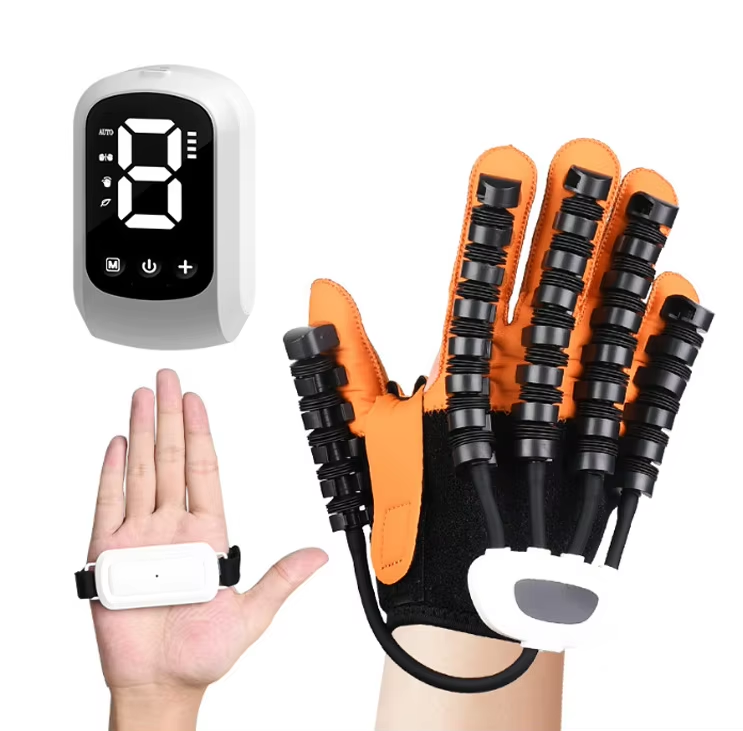
A hand therapy glove represents a significant advancement in rehabilitation technology, offering targeted therapeutic benefits for individuals recovering from various hand and finger conditions. These specialized devices combine innovative design with evidence-based therapeutic principles to enhance recovery outcomes and restore functional mobility. Understanding the specific benefits of using a hand therapy glove can help patients, caregivers, and healthcare professionals make informed decisions about incorporating this technology into comprehensive rehabilitation programs.
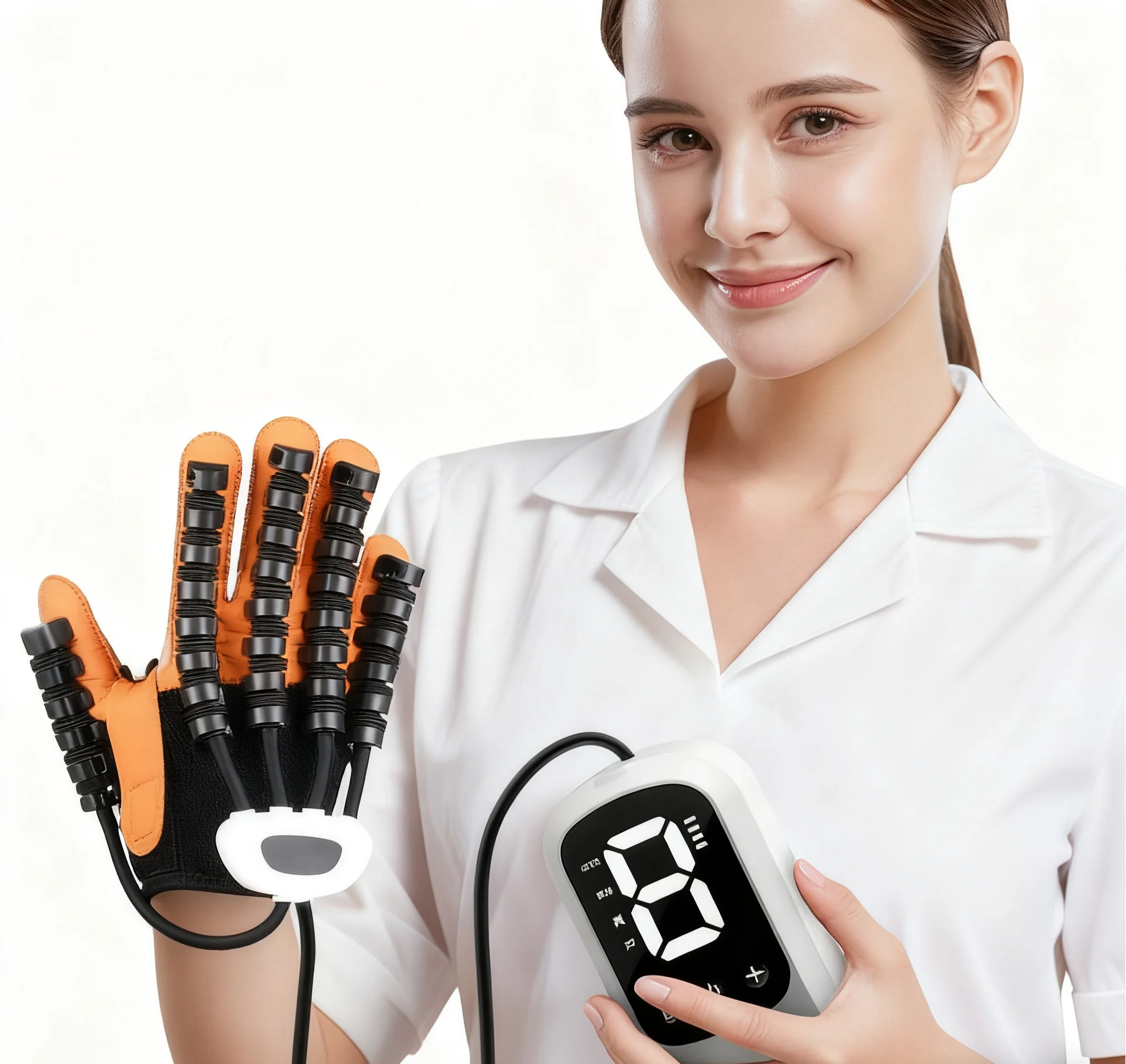
The therapeutic benefits of a hand therapy glove extend beyond traditional rehabilitation methods by providing consistent, controlled therapeutic intervention that patients can access in various settings. These devices utilize advanced mechanisms to deliver targeted therapy that addresses specific impairments while promoting natural movement patterns. The integration of a hand therapy glove into rehabilitation protocols has demonstrated measurable improvements in patient outcomes across diverse clinical conditions affecting hand and finger function.
Enhanced Motor Function Recovery
Improved Range of Motion
A hand therapy glove provides systematic assistance in restoring natural range of motion through controlled movement patterns that gently stretch contracted tissues and mobilize stiff joints. The device applies graduated pressure and guided movement sequences that help overcome the limitations imposed by scar tissue, joint stiffness, and muscle contractures. This therapeutic approach allows patients to achieve greater finger extension and flexion ranges compared to passive stretching alone.
The biomechanical design of a hand therapy glove ensures that each finger receives appropriate therapeutic input based on individual needs and rehabilitation goals. This targeted approach helps prevent compensation patterns that can develop when patients attempt to perform exercises without proper guidance. The consistent application of therapeutic forces through the hand therapy glove promotes tissue remodeling and joint mobility restoration in a controlled, progressive manner.
Regular use of a hand therapy glove creates measurable improvements in functional range of motion that translate directly into enhanced performance of daily activities. Patients report improved ability to grasp objects, manipulate tools, and perform fine motor tasks as their range of motion increases through consistent therapeutic intervention provided by the device.
Strengthened Grip and Pinch Force
The resistance training capabilities of a hand therapy glove provide progressive strengthening exercises that target specific muscle groups responsible for grip and pinch functions. The device can deliver variable resistance levels that challenge weakened muscles while providing appropriate support during the strengthening process. This graduated approach helps rebuild muscle strength systematically without overwhelming recovering tissues.
Muscle activation patterns promoted by a hand therapy glove help restore coordination between intrinsic and extrinsic hand muscles, creating more efficient force generation and improved functional strength. The device facilitates proper muscle recruitment sequences that may be disrupted following injury or neurological conditions, helping patients reestablish normal movement coordination.
Strength gains achieved through hand therapy glove training demonstrate functional relevance in standardized grip and pinch strength measurements, indicating that the therapeutic benefits translate into real-world performance improvements that enhance quality of life and independence.
Neurological Recovery Advantages
Stimulated Neural Plasticity
A hand therapy glove provides sensory input and motor stimulation that promotes neuroplasticity mechanisms essential for recovery from neurological conditions. The device delivers controlled tactile feedback and proprioceptive input that helps rebuild neural pathways disrupted by stroke, traumatic brain injury, or other neurological conditions affecting hand function.
The repetitive, task-oriented nature of exercises performed with a hand therapy glove creates optimal conditions for neural adaptation and learning. This approach aligns with established principles of neuroplasticity that emphasize the importance of intensive, repetitive practice in promoting brain reorganization and functional recovery.
Research indicates that patients using a hand therapy glove demonstrate measurable changes in brain activity patterns associated with improved motor control and functional performance. These neurological adaptations contribute to sustained improvements in hand function that continue beyond the active treatment period.
Reduced Spasticity and Improved Motor Control
The therapeutic mechanisms of a hand therapy glove help modulate abnormal muscle tone and reduce spasticity through controlled movement patterns and sensory input. The device provides gentle stretching forces that help break spastic patterns while promoting more normal movement sequences that improve overall motor control.
Patients with neurological conditions benefit from the consistent, predictable therapeutic input provided by a hand therapy glove, which helps establish more stable movement patterns and reduces the variability often associated with spastic conditions. This improved consistency translates into better functional performance and increased confidence in using the affected hand.
The gradual reduction in spasticity achieved through regular use of a hand therapy glove allows patients to participate more effectively in other therapeutic activities and daily tasks, creating a positive cycle of improvement and increased functional independence.
Pain Management and Comfort Benefits
Reduced Inflammation and Swelling
A hand therapy glove incorporates compression therapy principles that help reduce edema and inflammation in injured or post-surgical hands. The controlled pressure applied by the device promotes lymphatic drainage and venous return, which helps minimize swelling that can impede recovery and cause discomfort.
The therapeutic compression provided by a hand therapy glove helps prevent the accumulation of inflammatory mediators in tissues, reducing pain and promoting faster healing. This anti-inflammatory effect contributes to improved tissue health and creates more favorable conditions for therapeutic exercise and functional activity.
Patients report significant improvements in comfort and hand appearance as swelling decreases through consistent use of a hand therapy glove. This reduction in edema often leads to improved range of motion and decreased stiffness, creating multiple therapeutic benefits from a single intervention.
Enhanced Circulation and Tissue Health
The mechanical action of a hand therapy glove promotes improved blood circulation through gentle compression and movement assistance that stimulates vascular flow. Enhanced circulation delivers essential nutrients and oxygen to healing tissues while facilitating the removal of metabolic waste products that can impede recovery.
Improved tissue perfusion achieved through hand therapy glove use contributes to better wound healing, reduced risk of complications, and faster overall recovery times. The enhanced circulation also helps maintain tissue health and prevents secondary complications that can arise from prolonged immobility or reduced activity levels.
The vascular benefits of a hand therapy glove extend beyond the acute recovery period, helping maintain long-term tissue health and reducing the risk of chronic conditions associated with poor circulation in the hands and fingers.
Psychological and Quality of Life Improvements
Increased Independence and Confidence
Using a hand therapy glove empowers patients to take an active role in their rehabilitation process, providing a sense of control and ownership over their recovery journey. The ability to perform therapeutic exercises independently using the device helps build confidence and reduces feelings of helplessness often associated with hand impairments.
The progressive improvements in hand function achieved through consistent use of a hand therapy glove translate directly into increased independence in daily activities. Patients report greater confidence in performing work tasks, household activities, and recreational pursuits as their hand function improves through therapeutic intervention.
The psychological benefits of regained hand function extend beyond physical improvements, contributing to enhanced self-esteem, reduced anxiety about functional limitations, and improved overall quality of life that affects all aspects of daily living.
Motivation and Treatment Adherence
A hand therapy glove provides immediate feedback and visible progress indicators that help maintain patient motivation throughout the rehabilitation process. The tangible improvements in strength, range of motion, and functional ability serve as powerful motivators that encourage continued participation in therapy programs.
The convenience and accessibility of a hand therapy glove support improved adherence to rehabilitation protocols by allowing patients to continue therapeutic exercises in various settings without requiring constant supervision. This flexibility helps maintain consistency in treatment delivery, which is essential for optimal outcomes.
Patients using a hand therapy glove demonstrate higher rates of treatment completion and better long-term outcomes compared to traditional therapy approaches alone, indicating that the device contributes significantly to the success of rehabilitation programs through improved patient engagement and adherence.
FAQ
How long does it typically take to see benefits from using a hand therapy glove?
Most patients begin experiencing benefits from a hand therapy glove within the first 2-4 weeks of consistent use, with noticeable improvements in comfort, range of motion, and function. Significant functional gains typically become apparent after 6-8 weeks of regular therapeutic sessions, though individual response times vary based on the specific condition, severity of impairment, and adherence to prescribed protocols.
Can a hand therapy glove be used for different types of hand conditions?
Yes, a hand therapy glove provides therapeutic benefits for a wide range of conditions including stroke recovery, arthritis, tendon injuries, fracture rehabilitation, and various neurological conditions affecting hand function. The device's adjustable settings and versatile therapeutic mechanisms make it suitable for addressing diverse impairments while accommodating individual patient needs and rehabilitation goals.
Is it safe to use a hand therapy glove without direct medical supervision?
A hand therapy glove is designed with safety features that allow for independent use once proper training and protocols are established by healthcare professionals. However, initial assessment, device fitting, and treatment planning should always be supervised by qualified therapists to ensure appropriate use and maximize therapeutic benefits while preventing potential complications.
What makes a hand therapy glove more effective than traditional hand exercises?
A hand therapy glove provides consistent, controlled therapeutic input that is difficult to achieve through traditional exercises alone. The device delivers precise pressure, movement assistance, and sensory feedback while ensuring proper movement patterns and preventing compensation strategies that can limit recovery outcomes when performing exercises without technological assistance.
Table of Contents
- Enhanced Motor Function Recovery
- Neurological Recovery Advantages
- Pain Management and Comfort Benefits
- Psychological and Quality of Life Improvements
-
FAQ
- How long does it typically take to see benefits from using a hand therapy glove?
- Can a hand therapy glove be used for different types of hand conditions?
- Is it safe to use a hand therapy glove without direct medical supervision?
- What makes a hand therapy glove more effective than traditional hand exercises?