
 EN
EN


Home blood pressure monitors have become increasingly popular for personal health management, but many users wonder about their true accuracy. The reality is that quality home blood pressure monitors can be remarkably accurate when properly selected and used correctly. Understanding how home blood pressure monitors perform compared to clinical devices is essential for anyone managing hypertension or tracking cardiovascular health at home.
Clinical validation studies consistently show that certified home blood pressure monitors can achieve accuracy within plus or minus 5 millimeters of mercury when used according to manufacturer guidelines. This level of precision makes home blood pressure monitors reliable tools for ongoing health monitoring, allowing patients to track trends and patterns in their blood pressure readings over time without relying solely on occasional clinic visits.
Clinical Validation Standards for Home Blood Pressure Monitors
Understanding Accreditation and Certification
Home blood pressure monitors must meet rigorous testing protocols to earn validation from recognized organizations. The most trusted home blood pressure monitors have undergone testing by organizations such as the European Society of Hypertension, the American Medical Association, or similar international bodies. These validation processes ensure that home blood pressure monitors deliver consistent, dependable readings that healthcare providers can confidently use for clinical decision-making.
When selecting home blood pressure monitors, look for models that display validation credentials or third-party testing results. Home blood pressure monitors that have completed formal validation studies provide documented evidence of their measurement reliability. This certification is a key indicator that the device will produce accurate readings comparable to those obtained in medical settings.
Comparing Home and Clinical Measurements
Clinical environments often show slightly different blood pressure readings than those obtained with home blood pressure monitors due to factors like the white-coat effect, where patients experience elevated readings in medical offices. Many cardiologists now recognize that home blood pressure monitors can actually provide more representative readings of a patient's baseline blood pressure because they capture measurements in the familiar, comfortable home environment. Home blood pressure monitors used regularly offer a broader dataset that better reflects daily pressure variations.
Key Factors Influencing Accuracy of Home Blood Pressure Monitors
Device Selection and Technology Type
The accuracy of home blood pressure monitors depends significantly on which technology your device uses. Oscillometric devices, which are the most common type of home blood pressure monitors available today, detect oscillations in artery walls as pressure changes occur. home blood pressure monitors using advanced oscillometric algorithms can achieve clinical-grade accuracy when manufacturing standards are maintained.
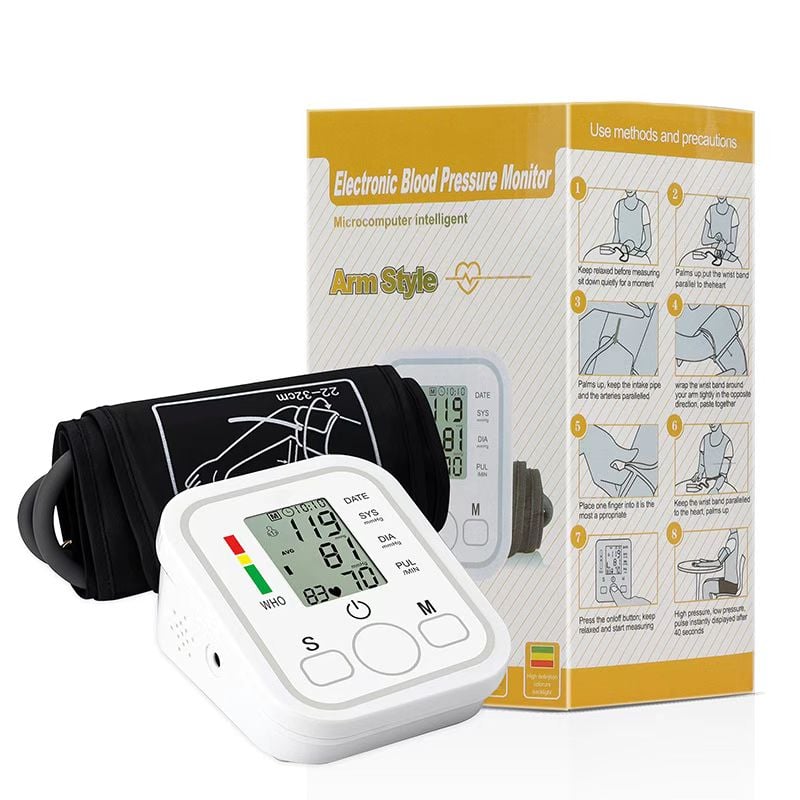
Upper arm models tend to be more accurate than wrist or finger-based home blood pressure monitors because they measure directly from a major artery. The cuff size also matters tremendously; improperly sized cuffs lead to significant measurement errors. Quality home blood pressure monitors come with appropriately sized cuffs and clear guidance on proper fit to ensure accurate readings every time.
User Technique and Measurement Conditions
Even the most sophisticated home blood pressure monitors will produce inaccurate readings if used improperly. Proper technique with home blood pressure monitors includes sitting quietly for five minutes before measurement, keeping feet flat on the floor, and positioning the arm at heart level. These factors dramatically affect whether home blood pressure monitors deliver the reliable data they are designed to provide.
Environmental conditions also influence accuracy of home blood pressure monitors. Taking readings while stressed, soon after caffeine consumption, or during physical activity produces artificially elevated measurements. Consistent use of home blood pressure monitors under standardized conditions allows users to build reliable baseline data and track meaningful trends in their blood pressure patterns.
Ensuring Reliable Readings With Home Blood Pressure Monitors
Maintenance and Calibration Best Practices
Home blood pressure monitors require proper care to maintain their accuracy over time. Regular cleaning of the cuff and connections prevents material degradation that could affect sensor function. Many quality home blood pressure monitors should be calibrated periodically by manufacturers or authorized service centers to verify they still meet accuracy standards, especially if the device has been dropped or exposed to extreme conditions.
Checking your home blood pressure monitors occasionally against readings taken at your doctor's office provides valuable validation. If home blood pressure monitors consistently differ significantly from clinical readings, a recalibration or device replacement may be warranted. This simple verification ensures that home blood pressure monitors continue providing trustworthy data for health management decisions.
Tracking and Interpretation Strategy
The true value of home blood pressure monitors emerges when users maintain consistent measurement routines. Recording readings from home blood pressure monitors at the same time each day, under similar conditions, builds a reliable dataset that reveals your true blood pressure patterns. Many healthcare providers now request that patients use home blood pressure monitors regularly and bring recorded data to appointments for more informed clinical conversations.
Home blood pressure monitors work best as part of a comprehensive health strategy rather than as isolated measurement devices. Sharing home blood pressure monitors data with your healthcare provider helps them make better treatment decisions and monitor the effectiveness of any prescribed medications. The consistency and volume of data from home blood pressure monitors often provide insights that single clinical measurements cannot capture.
FAQ
Are home blood pressure monitors as accurate as hospital equipment?
Validated home blood pressure monitors can match hospital accuracy when used correctly, though clinical settings may have slightly more advanced equipment. The key difference is that home blood pressure monitors capture readings in natural environments, whereas hospital devices measure during potentially stressful clinic visits. Many cardiologists consider home blood pressure monitors superior for long-term monitoring because they reduce white-coat effect and provide trend data.
How often should home blood pressure monitors be recalibrated?
Most manufacturers recommend professional calibration of home blood pressure monitors every one to two years or after any significant impact. Some home blood pressure monitors include built-in quality checks or validation features that help ensure ongoing accuracy. Checking your home blood pressure monitors against clinical readings annually is a practical way to verify they continue performing reliably.
What specifications should I look for when choosing home blood pressure monitors?
When selecting home blood pressure monitors, prioritize models with third-party validation from recognized medical organizations. Choose upper arm home blood pressure monitors rather than wrist devices, ensure the cuff fits your arm properly, and select home blood pressure monitors with large, easy-to-read displays. Digital storage and data export features make home blood pressure monitors more useful for sharing information with healthcare providers.
