
 EN
EN



A blood pressure monitor is one of the most valuable tools for protecting your cardiovascular system and ensuring long-term heart health. Regular monitoring with a blood pressure monitor allows you to detect dangerous fluctuations early, track treatment effectiveness, and make informed decisions about your lifestyle and medical care. Unlike occasional clinic visits, a blood pressure monitor at home gives you continuous insight into your heart's workload and overall cardiovascular status. This proactive approach has become essential for millions of people managing hypertension, heart disease risk, and general wellness.
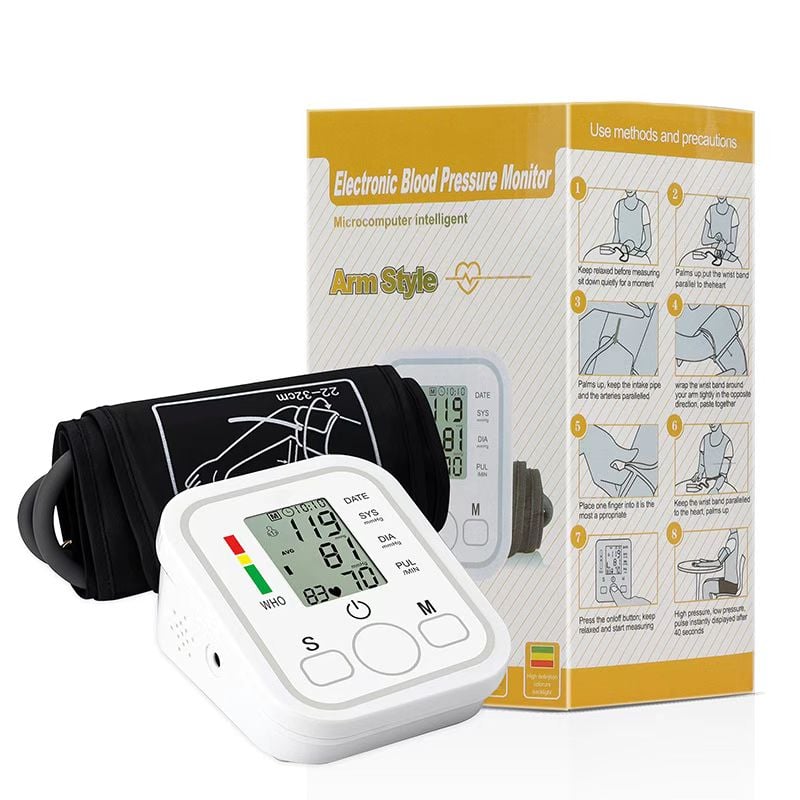
Understanding how a blood pressure monitor supports heart health requires recognizing the relationship between consistent blood pressure readings and cardiovascular disease prevention. High blood pressure, or hypertension, is a silent killer that damages blood vessels and the heart muscle over time without obvious symptoms. When you use a blood pressure monitor regularly, you gain the ability to identify harmful patterns, respond quickly to sudden changes, and work with your healthcare provider to optimize your treatment plan. This continuous feedback loop creates a foundation for better heart health outcomes and reduced long-term complications.
How a Blood Pressure Monitor Enables Early Detection
Identifying Hidden Hypertension Through Consistent Monitoring
Many people experience high blood pressure without any noticeable symptoms, a condition known as silent hypertension. A blood pressure monitor used regularly at home can reveal this dangerous pattern before serious damage occurs. Unlike a single measurement at a doctor's office, daily readings from your blood pressure monitor provide a comprehensive picture of your cardiovascular status across different times of day, stress levels, and activities. This consistent data collection is crucial because blood pressure naturally fluctuates, and a blood pressure monitor captures these variations that a single clinic visit might miss.
Detecting Dangerous Spikes and Sudden Changes
Certain individuals experience sudden blood pressure spikes that can significantly increase their heart attack or stroke risk. Using a blood pressure monitor regularly helps you recognize these dangerous episodes and alert your healthcare provider immediately. Environmental factors, stress, caffeine, or medication timing can trigger sudden elevations that your blood pressure monitor will capture. Early detection of these patterns allows your doctor to adjust treatments before serious cardiac events occur, making your blood pressure monitor an essential early warning system for your cardiovascular health.
The Role of a Blood Pressure Monitor in Treatment Management
Measuring the Effectiveness of Medications and Lifestyle Changes
When your doctor prescribes antihypertensive medications or recommends lifestyle modifications, a blood pressure monitor becomes your primary tool for measuring success. Readings from your blood pressure monitor show whether a particular medication dose is working optimally or if adjustments are needed. Similarly, when you change your diet, increase exercise, or reduce stress, your blood pressure monitor provides objective evidence of improvement. This feedback helps you and your healthcare provider make data-driven decisions about your treatment strategy, ensuring your heart health efforts are actually producing results.
Preventing Over-Treatment or Under-Treatment
A blood pressure monitor gives your doctor the information needed to prescribe the right medication at the right dose. Over-treatment can cause unwanted side effects and reduced quality of life, while under-treatment leaves your heart vulnerable to damage. By tracking readings from your blood pressure monitor over weeks and months, your healthcare provider can fine-tune your treatment plan to achieve optimal control. This personalized approach, supported by data from your blood pressure monitor, significantly improves long-term heart health outcomes and reduces the risk of cardiovascular complications.
Building Long-Term Heart Health Through Daily Accountability
Creating Behavioral Awareness and Motivation
Using a blood pressure monitor daily creates a habit of cardiovascular self-awareness that motivates healthier choices. When you see your blood pressure monitor readings improve after exercise, stress reduction, or dietary changes, you feel empowered to maintain those positive behaviors. This behavioral feedback loop reinforces commitment to heart-healthy habits and helps prevent the gradual lifestyle drift that undermines long-term health. Your blood pressure monitor becomes a personal health coach, offering real-time evidence that your efforts matter and your heart is responding positively.
Supporting Long-Term Compliance and Disease Prevention
People with hypertension often struggle with medication adherence because they feel fine and don't perceive immediate danger. A blood pressure monitor removes this disconnect by showing tangible results of consistent treatment. Regular readings from your blood pressure monitor demonstrate the value of taking medications as prescribed and maintaining lifestyle improvements, significantly increasing adherence rates. Over years and decades, this consistent management supported by a blood pressure monitor dramatically reduces your risk of heart attack, stroke, kidney disease, and other cardiovascular complications. The blood pressure monitor transforms hypertension management from abstract medical advice into concrete, measurable cardiovascular protection.
Supporting Shared Decision-Making With Healthcare Providers
Modern heart health management depends on strong communication between patients and doctors. A blood pressure monitor provides the objective data foundation for these conversations, allowing you to share detailed reading patterns with your healthcare provider. When you bring logged data from your blood pressure monitor to appointments, your doctor can make more informed treatment decisions tailored to your specific cardiovascular needs. This collaborative approach, enabled by consistent monitoring from your blood pressure monitor, creates better health outcomes and stronger patient-provider relationships that support your heart health for years to come.
FAQ
How often should I use a blood pressure monitor for accurate heart health monitoring?
Most healthcare providers recommend using a blood pressure monitor twice daily—once in the morning before medications and once in the evening. However, if you have resistant hypertension or heart health concerns, your doctor may recommend more frequent monitoring. Consistency matters more than frequency; using your blood pressure monitor at the same times each day produces more reliable data for detecting trends and evaluating treatment effectiveness. Always follow your healthcare provider's specific recommendations for your individual situation.
Can a home blood pressure monitor be as accurate as clinic measurements?
Yes, a validated home blood pressure monitor can be equally accurate when used correctly with proper technique. Accuracy depends on choosing a clinically validated blood pressure monitor, maintaining proper arm position and posture, and avoiding caffeine or exercise before readings. Many home blood pressure monitor devices now provide comparable accuracy to professional equipment, making them reliable tools for long-term heart health monitoring. Always verify that your blood pressure monitor has been validated against clinical standards before relying on it for health decisions.
What should I do if my blood pressure monitor shows consistently high readings?
If your blood pressure monitor consistently shows readings above 130/80 mmHg, contact your healthcare provider promptly to discuss treatment options. Do not stop taking prescribed medications based on blood pressure monitor readings alone, and do not adjust dosages without medical guidance. Bring your blood pressure monitor data to your appointment to provide your doctor with detailed information for assessment. Your healthcare provider may recommend medication adjustments, additional lifestyle modifications, or further cardiovascular evaluation based on your blood pressure monitor results and overall health status.
