stroke recovery exercise machines
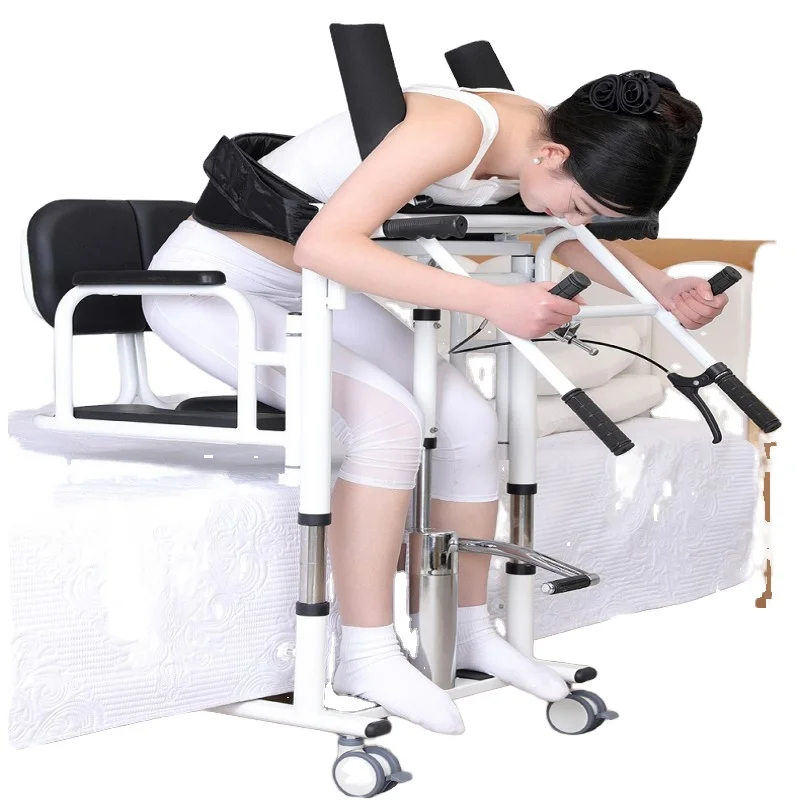
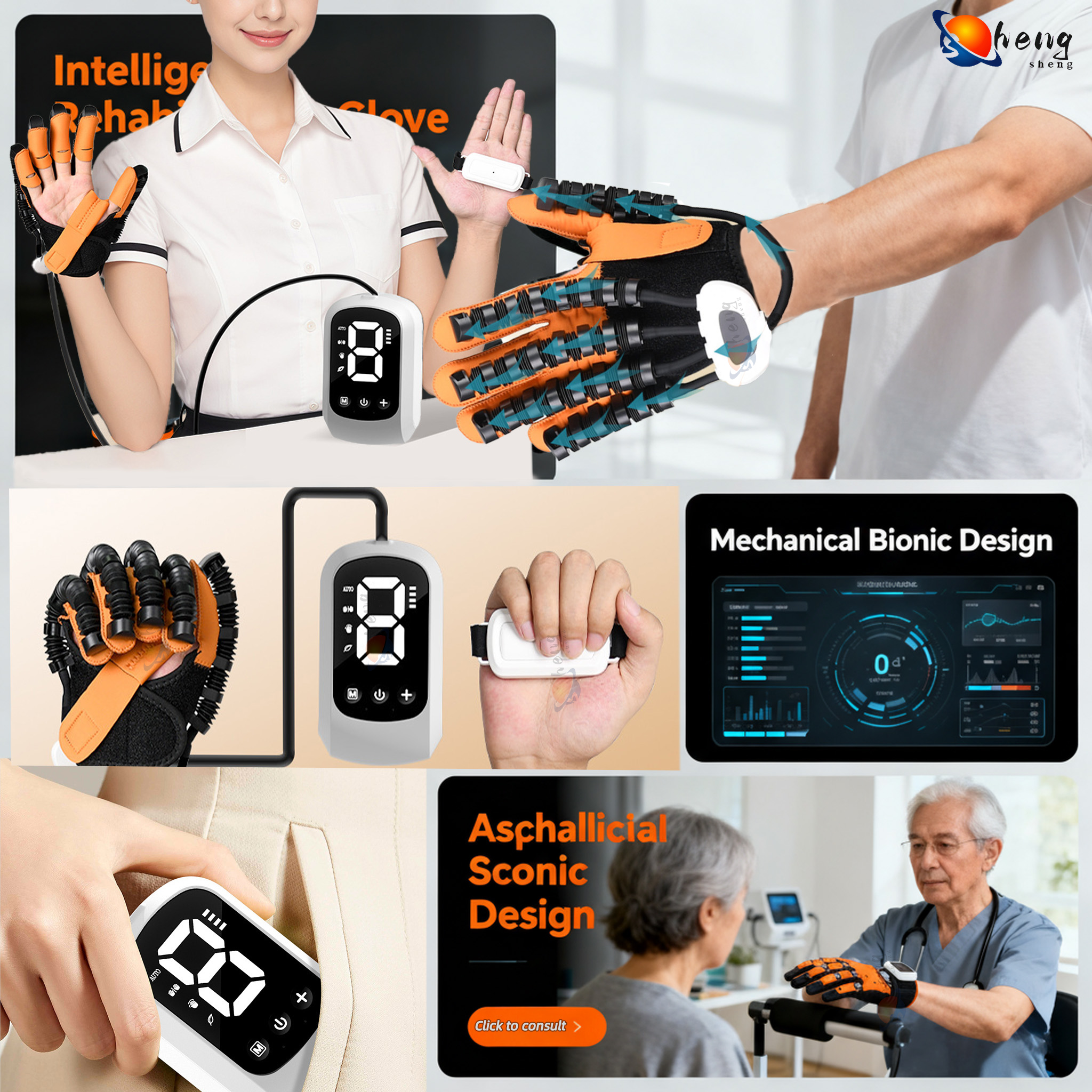
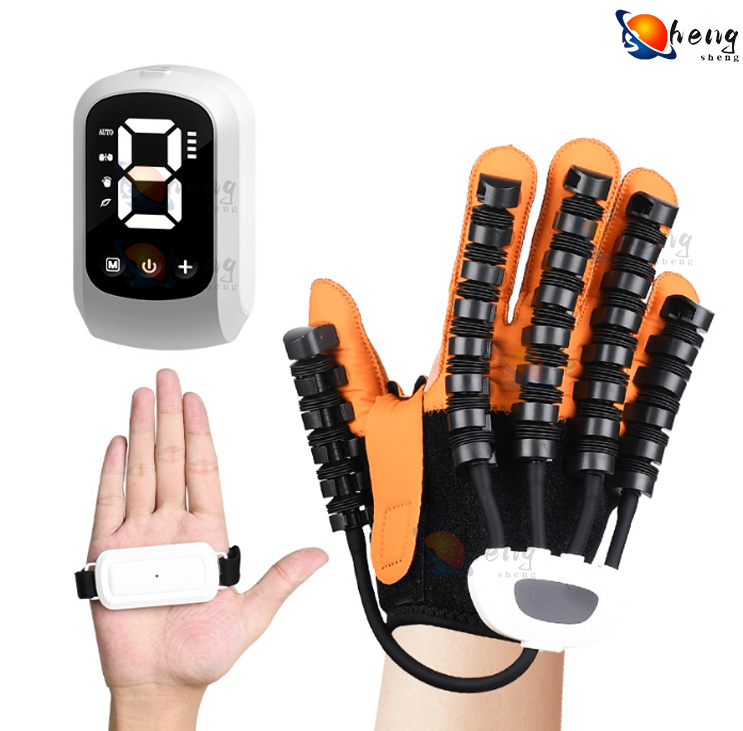
Stroke recovery exercise machines represent cutting-edge rehabilitation technology designed to help stroke survivors regain motor function, strength, and independence. These specialized devices combine advanced engineering with evidence-based therapeutic principles to create comprehensive rehabilitation solutions for individuals recovering from stroke-related impairments. The primary functions of stroke recovery exercise machines encompass motor skill retraining, muscle strengthening, balance improvement, and coordination enhancement. These machines utilize sophisticated sensors and feedback systems to monitor patient progress while providing real-time adjustments to therapy intensity and difficulty levels. The technological features include robotic-assisted movement guidance, virtual reality integration, biofeedback monitoring, and adaptive resistance systems that respond to individual patient capabilities. Modern stroke recovery exercise machines incorporate artificial intelligence algorithms that personalize treatment protocols based on each patient's specific deficits and recovery trajectory. The applications span across various rehabilitation settings, including hospitals, outpatient clinics, long-term care facilities, and home-based therapy environments. These machines address multiple aspects of stroke recovery, from upper extremity rehabilitation to gait training and cognitive-motor integration. The devices feature user-friendly interfaces that accommodate patients with varying levels of cognitive function and physical ability. Safety mechanisms ensure patient protection during therapy sessions, while comprehensive data collection capabilities enable healthcare providers to track recovery milestones and adjust treatment plans accordingly. Stroke recovery exercise machines support both passive and active rehabilitation approaches, allowing for therapeutic intervention across all stages of recovery from acute care through long-term maintenance. The integration of gamification elements and motivational feedback systems helps maintain patient engagement throughout the rehabilitation process, which is crucial for achieving optimal recovery outcomes.

 EN
EN