Advanced Infant Oxygen Monitor Systems - Precision Pediatric Monitoring Solutions

Get a Free Quote

Our representative will contact you soon.
Email
Name
Company Name
Message
0/1000

infant oxygen monitor

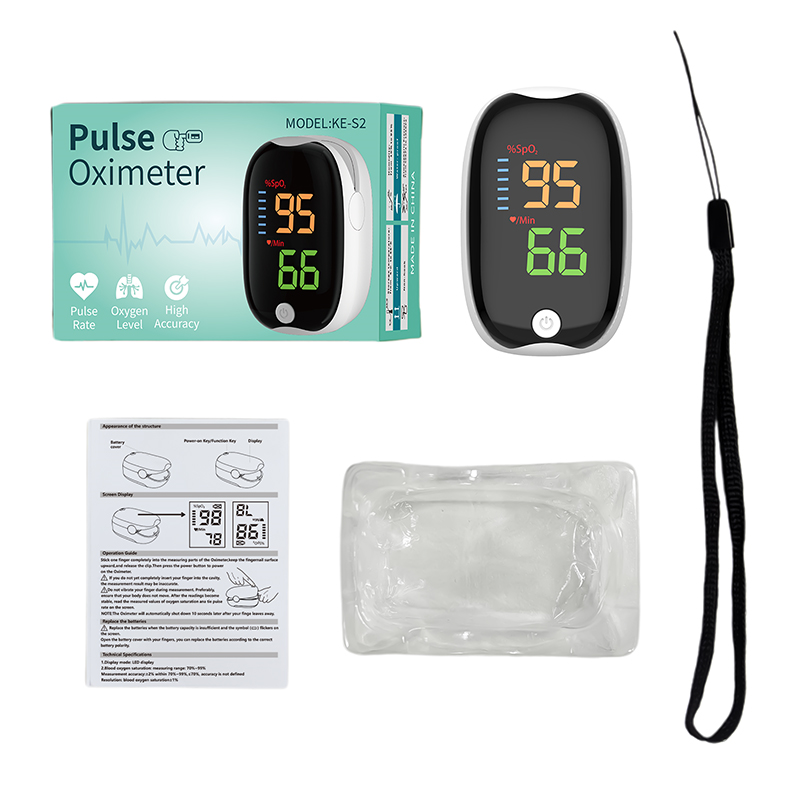
An infant oxygen monitor represents a critical piece of medical technology designed to continuously track and measure oxygen saturation levels in newborns and young children. This sophisticated device serves as an essential safeguard for vulnerable infants, particularly those born prematurely or with respiratory complications. The infant oxygen monitor operates through advanced pulse oximetry technology, utilizing non-invasive sensors that attach gently to a baby's skin, typically on the foot or hand. These sensors emit light wavelengths that penetrate the skin and measure the amount of oxygen bound to hemoglobin in the blood, providing real-time oxygen saturation readings. Modern infant oxygen monitors feature state-of-the-art algorithms specifically calibrated for pediatric patients, accounting for the unique physiological characteristics of developing cardiovascular and respiratory systems. The device continuously displays vital statistics on clear, easy-to-read screens, allowing healthcare providers and caregivers to monitor oxygen levels around the clock. Most infant oxygen monitor systems include customizable alarm settings that alert medical staff when oxygen saturation falls below predetermined thresholds, ensuring immediate intervention when necessary. The technology incorporates motion artifact reduction capabilities, which filter out false readings caused by infant movement, crying, or other activities common in pediatric environments. These monitors typically feature wireless connectivity options, enabling seamless integration with hospital information systems and remote monitoring capabilities. The infant oxygen monitor finds extensive applications in neonatal intensive care units, pediatric wards, home healthcare settings, and during medical transport situations. Healthcare facilities rely on these devices for post-surgical monitoring, respiratory therapy management, and long-term care of infants with chronic conditions such as bronchopulmonary dysplasia or congenital heart defects.

Popular Products

The infant oxygen monitor delivers numerous compelling advantages that make it indispensable for modern pediatric healthcare. First and foremost, these devices provide continuous, non-invasive monitoring that eliminates the need for painful blood draws or arterial punctures traditionally required to assess oxygen levels. This gentle approach reduces stress for both infants and parents while maintaining accurate monitoring capabilities. The real-time data provided by infant oxygen monitors enables healthcare providers to make immediate treatment decisions, potentially preventing serious complications before they escalate. Early detection of oxygen desaturation allows medical teams to adjust ventilator settings, modify oxygen therapy, or initiate other interventions promptly, significantly improving patient outcomes. The infant oxygen monitor offers exceptional portability, allowing seamless monitoring during transport between hospital units, diagnostic procedures, or even during discharge to home care settings. This mobility ensures continuous care without interruption, which proves crucial for maintaining optimal oxygen levels throughout various medical procedures. Modern infant oxygen monitors feature user-friendly interfaces that require minimal training, enabling nursing staff to operate them efficiently while focusing on patient care. The devices incorporate intelligent alarm systems that distinguish between genuine emergencies and false alarms, reducing alarm fatigue among healthcare workers and ensuring appropriate responses to critical situations. Cost-effectiveness represents another significant advantage, as infant oxygen monitors reduce the need for frequent laboratory tests and enable earlier hospital discharge for stable patients requiring ongoing monitoring. These devices support family-centered care by allowing parents to participate in their child's monitoring process, providing peace of mind and educational opportunities about their infant's condition. The wireless capabilities of modern infant oxygen monitors facilitate telemedicine applications, enabling remote consultation with specialists and reducing the need for costly transfers to tertiary care facilities. Additionally, the data logging capabilities of these devices create comprehensive medical records that support clinical research, quality improvement initiatives, and evidence-based treatment protocols. The infant oxygen monitor technology continues advancing with smartphone integration, cloud-based data storage, and artificial intelligence algorithms that predict potential complications before they occur.

Practical Tips

What Makes Laser Therapy Popular in Physical Medicine?

27

Nov

What Makes Laser Therapy Popular in Physical Medicine?

The integration of advanced therapeutic technologies in modern healthcare has revolutionized treatment approaches across numerous medical specialties. Among these innovations, laser therapy has emerged as a cornerstone treatment modality that combine...
View More
How Does Laser Therapy Accelerate Wound Healing?

27

Nov

How Does Laser Therapy Accelerate Wound Healing?

Laser therapy has emerged as a revolutionary approach in modern medicine, offering precise and effective treatment for various medical conditions including wound healing acceleration. This advanced therapeutic technique utilizes focused light energy ...
View More
Why Is Laser Light Important in Modern Technologies?

27

Nov

Why Is Laser Light Important in Modern Technologies?

The revolutionary impact of laser light on modern technology cannot be overstated. From precision manufacturing to advanced medical treatments, laser light has transformed countless industries and continues to drive innovation across multiple sectors...
View More
How Does Laser Light Improve Precision in Medicine?

27

Nov

How Does Laser Light Improve Precision in Medicine?

Modern medicine has witnessed remarkable advancements in recent decades, with laser light therapy emerging as one of the most promising non-invasive treatment modalities. This innovative approach harnesses the power of specific wavelengths of light t...
View More

Get a Free Quote

Our representative will contact you soon.
Email
Name
Company Name
Message
0/1000

infant oxygen monitor

Advanced Pediatric-Specific Technology for Accurate Monitoring

Advanced Pediatric-Specific Technology for Accurate Monitoring

The infant oxygen monitor incorporates cutting-edge technology specifically engineered to meet the unique physiological requirements of newborns and young children. Unlike standard adult pulse oximeters, these specialized devices utilize proprietary algorithms that account for the distinct characteristics of infant circulation, including faster heart rates, smaller blood vessels, and different hemoglobin concentrations. The sensor technology employs multiple wavelength light sources optimized for pediatric skin thickness and pigmentation variations, ensuring accurate readings across diverse patient populations. The infant oxygen monitor features ultra-sensitive photodetectors capable of detecting minute changes in blood oxygen saturation, providing precision measurements even in challenging clinical scenarios. The device incorporates sophisticated signal processing techniques that effectively filter out motion artifacts, electrical interference, and ambient light variations that commonly occur in busy pediatric units. This advanced filtering capability ensures reliable monitoring even when infants are active, crying, or receiving other medical treatments simultaneously. The infant oxygen monitor utilizes low-profile, flexible sensors designed specifically for delicate infant skin, minimizing pressure points and reducing the risk of skin irritation during extended monitoring periods. These sensors feature hypoallergenic materials and adhesive systems that maintain secure attachment while allowing easy repositioning as needed. The technology includes automatic sensor recognition capabilities that instantly identify the appropriate calibration parameters based on the specific sensor type and patient weight category. Temperature compensation algorithms within the infant oxygen monitor adjust readings based on ambient and body temperature fluctuations, maintaining accuracy in various environmental conditions. The device features rapid response times, typically updating oxygen saturation readings every few seconds, enabling immediate detection of any changes in patient status. Advanced memory capabilities store trending data, allowing healthcare providers to analyze patterns over extended periods and make informed decisions about treatment modifications. The infant oxygen monitor integrates seamlessly with electronic health record systems, automatically documenting vital signs and reducing manual data entry errors while improving workflow efficiency.
Comprehensive Safety Features and Intelligent Alarm Management

Comprehensive Safety Features and Intelligent Alarm Management

Safety represents the paramount concern in pediatric healthcare, and the infant oxygen monitor addresses this priority through an extensive array of protective features and intelligent monitoring capabilities. The device incorporates multi-level alarm systems that provide both audible and visual alerts when oxygen saturation levels deviate from preset parameters, ensuring immediate notification of potentially dangerous conditions. These alarms feature adjustable volume controls and customizable tone patterns that allow healthcare facilities to optimize notification systems for their specific environments. The infant oxygen monitor includes smart alarm algorithms that differentiate between transient fluctuations and sustained changes in oxygen levels, significantly reducing false alarms that can lead to alarm fatigue among nursing staff. The system provides tiered alert levels, including low-priority notifications for minor variations and high-priority alarms for critical situations requiring immediate intervention. Battery backup systems ensure continuous monitoring even during power outages or equipment transfers, with extended battery life designed to support several hours of uninterrupted operation. The infant oxygen monitor features fail-safe mechanisms that automatically alert users to sensor disconnections, low battery conditions, or technical malfunctions before they compromise patient safety. Quality assurance protocols built into the device perform automatic self-diagnostics and calibration checks, maintaining measurement accuracy and reliability over extended periods of use. The infant oxygen monitor includes parental notification features that can send alerts to smartphones or paging systems, keeping families informed about their child's condition while allowing them to rest or attend to other responsibilities. Wireless range indicators ensure reliable communication between sensors and display units, preventing signal loss in large hospital environments. The device incorporates secure data transmission protocols that protect patient information while enabling remote monitoring capabilities for telemedicine applications. Emergency override functions allow healthcare providers to quickly adjust alarm parameters during critical situations without navigating through complex menu systems. The infant oxygen monitor maintains detailed event logs that record all alarm activations, response times, and system status changes, supporting quality improvement initiatives and regulatory compliance requirements. Redundant sensor options provide backup monitoring capabilities, ensuring continuous patient surveillance even if primary sensors require replacement or maintenance.
Versatile Applications and Enhanced Patient Care Coordination

Versatile Applications and Enhanced Patient Care Coordination

The infant oxygen monitor demonstrates remarkable versatility across multiple healthcare settings, providing seamless monitoring solutions that adapt to diverse clinical environments and patient care requirements. In neonatal intensive care units, these devices serve as essential monitoring tools for premature infants with underdeveloped respiratory systems, providing continuous surveillance during critical early weeks of development. The infant oxygen monitor supports step-down care protocols, enabling gradual transition from intensive monitoring to less restrictive environments while maintaining appropriate safety levels. Home healthcare applications represent a growing segment where infant oxygen monitors enable early hospital discharge for stable patients requiring ongoing respiratory support, reducing healthcare costs while improving family quality of life. These devices facilitate coordinated care between multiple healthcare providers, generating standardized reports that enhance communication between primary care physicians, specialists, and emergency medical services. The infant oxygen monitor supports ambulatory monitoring during diagnostic procedures such as sleep studies, exercise testing, and cardiac evaluations, providing comprehensive physiological data that informs treatment decisions. Transport medicine benefits significantly from portable infant oxygen monitor systems that maintain continuous monitoring during emergency transfers, interfacility transports, and medical flight operations. The technology enables proactive care management by identifying subtle changes in oxygen saturation patterns that may indicate developing complications before clinical symptoms become apparent. Educational applications include training healthcare professionals on proper monitoring techniques and interpretation of oxygen saturation data, supporting competency development and certification requirements. The infant oxygen monitor facilitates research initiatives by providing accurate, time-stamped physiological data that supports clinical studies investigating respiratory conditions, therapeutic interventions, and developmental outcomes. Quality assurance programs utilize data from these devices to monitor compliance with clinical protocols, track patient outcomes, and identify opportunities for care improvement. Integration with electronic health records streamlines documentation processes, reducing administrative burden while ensuring comprehensive medical records for continuity of care. The infant oxygen monitor supports telemedicine consultations by providing real-time physiological data to remote specialists, enabling expert guidance without requiring patient transfer to tertiary care facilities. Chronic disease management programs leverage these devices to monitor infants with conditions such as bronchopulmonary dysplasia, congenital heart disease, and sleep apnea, optimizing treatment protocols based on objective physiological data rather than subjective clinical assessments alone.


Get a Free Quote

Our representative will contact you soon.
Email
Name
Company Name
Message
0/1000