Revolutionary Hand Rehab Gloves: Advanced Therapy Technology for Faster Recovery

Get a Free Quote

Our representative will contact you soon.
Email
Name
Company Name
Message
0/1000

hand rehab gloves

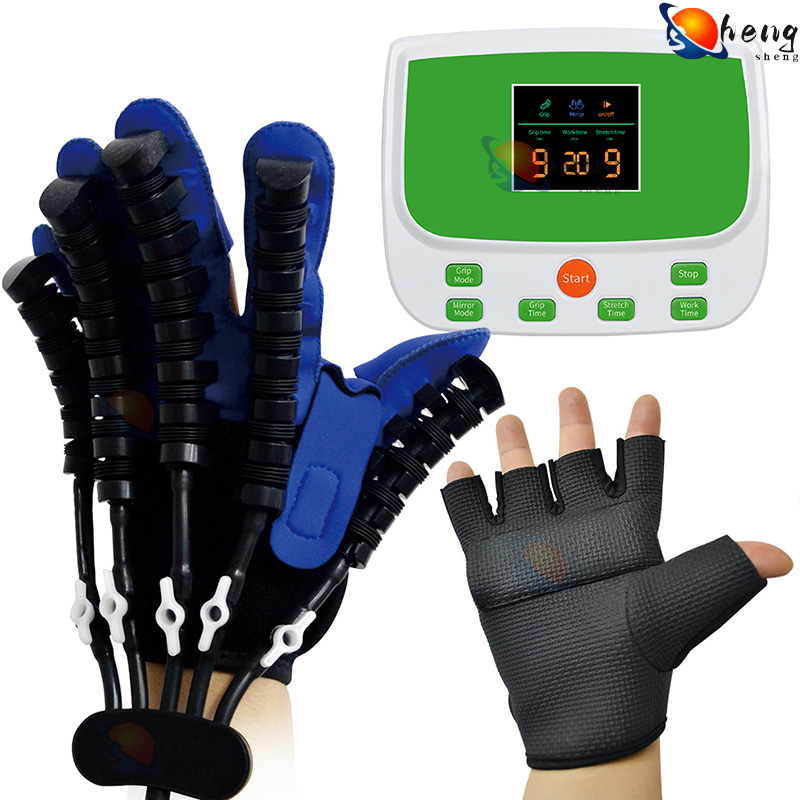
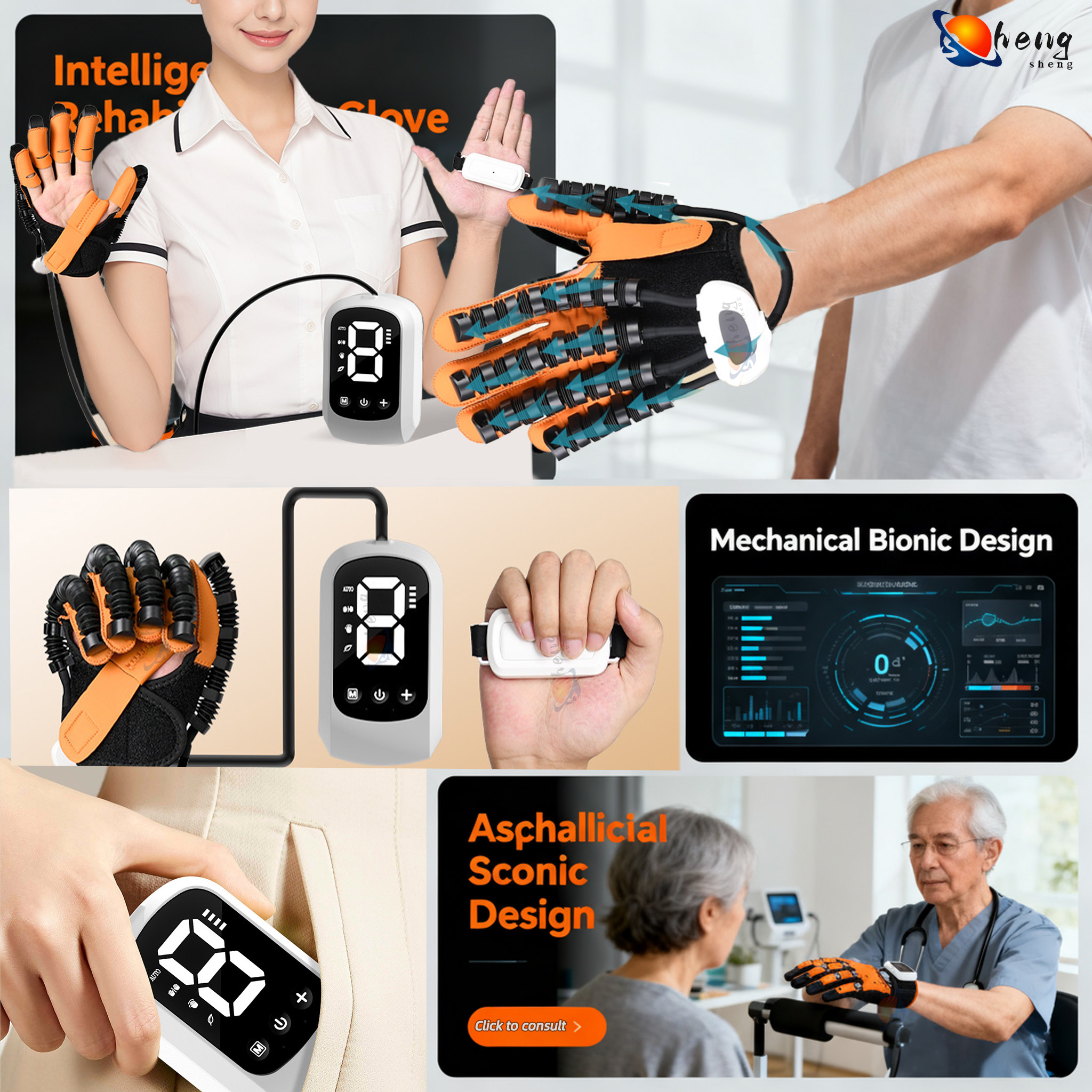
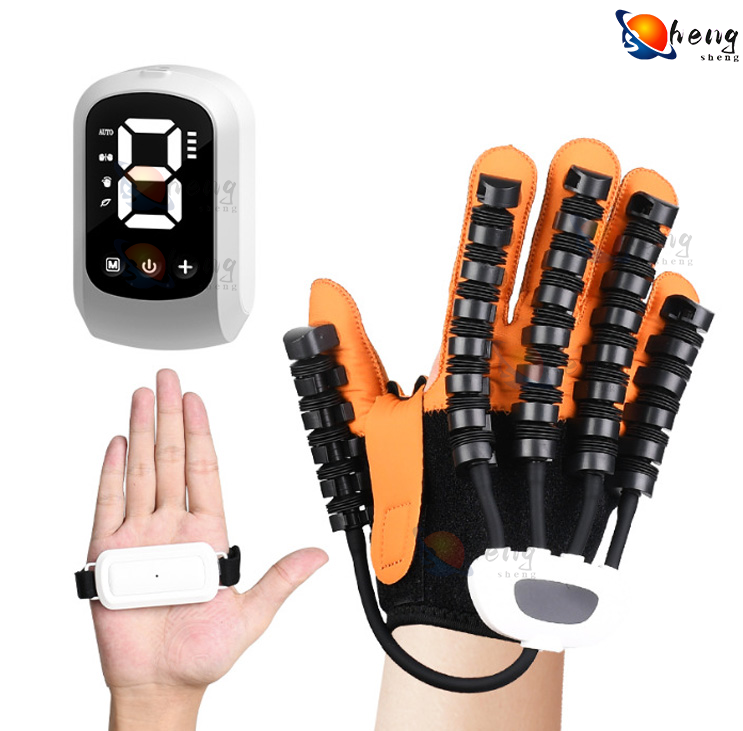
Hand rehab gloves represent a revolutionary advancement in therapeutic rehabilitation technology, designed specifically to assist patients recovering from hand injuries, strokes, or neurological conditions affecting hand mobility and strength. These innovative devices combine cutting-edge robotics with medical expertise to provide targeted therapy sessions that accelerate recovery and restore natural hand movement patterns. The primary function of hand rehab gloves centers on delivering controlled, repetitive exercises that stimulate muscle memory and promote neuroplasticity in the brain. Through sophisticated sensor technology, these gloves detect user intent and provide assistive or resistive forces to facilitate proper movement patterns during rehabilitation exercises. The technological features integrated into modern hand rehab gloves include pneumatic actuators, flexible sensors, and intelligent control systems that adapt to individual patient needs. These components work together to create a personalized therapy experience that adjusts difficulty levels based on patient progress and capabilities. The gloves utilize soft robotics technology, ensuring comfortable wear during extended therapy sessions while maintaining the precision required for effective treatment. Applications for hand rehab gloves span across multiple medical fields, including stroke recovery programs, spinal cord injury rehabilitation, and treatment of conditions such as cerebral palsy or traumatic brain injuries. Healthcare facilities, including hospitals, rehabilitation centers, and physical therapy clinics, increasingly incorporate these devices into their treatment protocols. The versatility of hand rehab gloves allows for both clinical use under professional supervision and home-based therapy programs, providing patients with consistent access to therapeutic intervention. Advanced models feature wireless connectivity, enabling remote monitoring by healthcare professionals and real-time progress tracking. The data collection capabilities of these devices provide valuable insights into patient recovery patterns, allowing therapists to adjust treatment plans accordingly. This comprehensive approach to hand rehabilitation demonstrates how technology can enhance traditional therapy methods while providing measurable outcomes for both patients and healthcare providers seeking effective recovery solutions.

New Products

Hand rehab gloves deliver exceptional benefits that transform the rehabilitation experience for patients and healthcare providers alike. These devices significantly accelerate recovery timelines by providing consistent, precise therapeutic exercises that target specific muscle groups and movement patterns. Unlike traditional therapy methods that rely solely on manual techniques, hand rehab gloves ensure standardized treatment delivery, eliminating variations in exercise intensity and frequency that can impact recovery outcomes. The convenience factor represents a major advantage, as patients can continue their therapy regimens at home without requiring constant professional supervision, reducing healthcare costs and increasing accessibility to treatment. The intelligent design of these gloves adapts to individual patient capabilities, automatically adjusting resistance levels and exercise complexity based on real-time performance data. This personalized approach ensures optimal challenge levels that promote growth without causing frustration or potential injury from overexertion. Patients experience enhanced motivation through gamification features and progress tracking systems that provide immediate feedback on their improvement. The psychological benefits cannot be understated, as visible progress measurements boost confidence and encourage consistent participation in therapy programs. Healthcare professionals benefit from detailed analytics and reporting capabilities that provide objective measurements of patient progress, enabling data-driven treatment decisions and improved care coordination. The economic advantages extend to reduced therapy session frequency while maintaining treatment effectiveness, making rehabilitation more affordable for patients and more efficient for healthcare systems. Safety features built into hand rehab gloves include emergency stop functions and force limitation systems that prevent excessive strain or injury during exercises. The ergonomic design ensures comfortable extended wear, accommodating various hand sizes and conditions without causing discomfort or skin irritation. Long-term benefits include improved fine motor skills, increased grip strength, enhanced coordination, and restored independence in daily activities. The technology enables precise measurement of improvement metrics such as range of motion, grip strength, and finger dexterity, providing concrete evidence of recovery progress that motivates continued participation in rehabilitation programs.

Latest News

How Does Cold Laser Therapy Improve Healing Efficiency?

31

Oct

How Does Cold Laser Therapy Improve Healing Efficiency?

Understanding the Revolutionary Impact of Cold Laser Treatment Cold laser therapy represents a groundbreaking advancement in medical treatment technology, offering patients a non-invasive approach to healing and pain management. This innovative thera...
View More
Can Cold Laser Therapy Support Faster Muscle Recovery?

31

Oct

Can Cold Laser Therapy Support Faster Muscle Recovery?

Understanding the Science Behind Cold Laser Treatment for Muscles Athletes, fitness enthusiasts, and individuals recovering from injuries are constantly seeking innovative methods to accelerate muscle recovery. Cold laser therapy has emerged as a gro...
View More
Why Is Laser Light Important in Modern Technologies?

27

Nov

Why Is Laser Light Important in Modern Technologies?

The revolutionary impact of laser light on modern technology cannot be overstated. From precision manufacturing to advanced medical treatments, laser light has transformed countless industries and continues to drive innovation across multiple sectors...
View More
How Does Laser Light Improve Precision in Medicine?

27

Nov

How Does Laser Light Improve Precision in Medicine?

Modern medicine has witnessed remarkable advancements in recent decades, with laser light therapy emerging as one of the most promising non-invasive treatment modalities. This innovative approach harnesses the power of specific wavelengths of light t...
View More

Get a Free Quote

Our representative will contact you soon.
Email
Name
Company Name
Message
0/1000

hand rehab gloves

Advanced Pneumatic Actuation System for Precise Movement Control

Advanced Pneumatic Actuation System for Precise Movement Control

The pneumatic actuation system embedded within hand rehab gloves represents the pinnacle of rehabilitation technology engineering, utilizing compressed air chambers strategically positioned throughout the glove structure to deliver precise, controlled assistance during therapeutic exercises. This sophisticated mechanism consists of multiple miniaturized actuators that correspond to individual finger joints and the thumb, allowing for independent movement control that mirrors natural hand biomechanics. The system operates through a network of flexible tubes and valves that regulate air pressure to each actuator, creating smooth, natural movements that feel intuitive to users. The precision of this pneumatic system enables therapists to target specific muscle groups and joints with remarkable accuracy, addressing individual rehabilitation needs with customized exercise protocols. The technology incorporates pressure sensors that continuously monitor the force applied to each finger segment, ensuring that assistance levels remain within safe therapeutic ranges while providing optimal challenge for muscle strengthening and coordination improvement. The actuators can switch between assistive and resistive modes, supporting weak movements during early recovery stages and providing resistance training as patients regain strength and control. This dual functionality maximizes the therapeutic value of each session by adapting to the patient's current capabilities and progression goals. The pneumatic system's responsiveness allows for real-time adjustments based on patient performance, automatically modifying assistance levels when fatigue is detected or increasing challenge when improvements are measured. The smooth, quiet operation of the pneumatic actuators creates a comfortable therapy environment that encourages consistent use and reduces anxiety often associated with medical rehabilitation equipment. The system's reliability stems from its simple mechanical design with fewer electronic components prone to failure, ensuring consistent performance across thousands of therapy sessions. Maintenance requirements remain minimal due to the robust nature of pneumatic components, making these devices practical for both clinical and home-use environments. The precision control achieved through this pneumatic system enables complex movement patterns and exercises that would be impossible with traditional therapy methods, accelerating recovery timelines and improving functional outcomes for patients across various rehabilitation scenarios.
Intelligent Biofeedback and Progress Monitoring Technology

Intelligent Biofeedback and Progress Monitoring Technology

The intelligent biofeedback system integrated into hand rehab gloves transforms traditional rehabilitation through sophisticated sensor networks and real-time data analysis capabilities that provide unprecedented insights into patient progress and movement quality. This comprehensive monitoring technology employs multiple sensor types, including force sensors, position encoders, and motion detectors, strategically placed throughout the glove structure to capture detailed information about hand and finger movements during therapy sessions. The system continuously analyzes movement patterns, comparing them against established baselines and therapeutic goals to provide immediate feedback to both patients and healthcare providers. Advanced algorithms process the collected data to identify improvement trends, plateau periods, and areas requiring focused attention, enabling personalized treatment adjustments that optimize recovery outcomes. The biofeedback mechanism provides visual, auditory, and haptic cues that guide patients through exercises, ensuring proper form and technique while maintaining engagement throughout therapy sessions. Real-time performance metrics display on connected devices, showing parameters such as grip strength, range of motion, movement speed, and coordination accuracy, allowing patients to visualize their progress and stay motivated throughout their recovery journey. The intelligent system learns from each user's performance patterns, adapting exercise difficulty and duration based on fatigue levels, improvement rates, and individual capabilities to maintain optimal challenge levels. Data storage capabilities enable comprehensive progress tracking over extended periods, creating detailed recovery profiles that healthcare professionals can analyze to make informed treatment decisions and modify therapy protocols as needed. The technology generates automated reports that highlight key performance indicators, milestone achievements, and areas of concern, streamlining communication between patients and their healthcare teams. Integration with electronic health records systems ensures seamless documentation and enables remote monitoring capabilities that allow therapists to oversee multiple patients efficiently. The biofeedback system includes motivational elements such as achievement badges, progress graphs, and goal-setting features that transform routine therapy into an engaging, game-like experience that encourages consistent participation and adherence to treatment plans.
Ergonomic Design and Universal Compatibility for Enhanced User Experience

Ergonomic Design and Universal Compatibility for Enhanced User Experience

The ergonomic design philosophy behind hand rehab gloves prioritizes user comfort, accessibility, and long-term wearability while maintaining the sophisticated functionality required for effective therapeutic intervention. This comprehensive approach to design considers the diverse needs of patients across different age groups, hand sizes, and medical conditions, resulting in universally compatible devices that accommodate a wide range of rehabilitation scenarios. The glove construction utilizes advanced materials science, incorporating breathable, hypoallergenic fabrics that prevent skin irritation during extended therapy sessions while providing the durability necessary for repeated use in clinical environments. The adjustable fit system features multiple sizing options and customizable strapping mechanisms that ensure secure placement without restricting circulation or causing discomfort, critical factors for patient compliance and therapy effectiveness. The lightweight design reduces user fatigue during therapy sessions, enabling longer treatment periods that maximize therapeutic benefits while maintaining comfort levels that encourage consistent use. Strategic placement of electronic components and actuators follows ergonomic principles that distribute weight evenly across the hand and wrist, preventing pressure points that could cause discomfort or interfere with natural movement patterns. The modular design allows for easy maintenance and component replacement, reducing downtime and ensuring consistent availability for therapy programs. Universal compatibility extends to integration with various rehabilitation protocols and therapy software platforms, enabling seamless incorporation into existing treatment systems without requiring extensive modifications or additional training. The design accommodates both left and right hands through reversible configurations or dedicated versions, ensuring comprehensive treatment options for all patients regardless of their specific rehabilitation needs. Accessibility features include simplified control interfaces that accommodate patients with cognitive impairments or limited dexterity, ensuring that all users can benefit from the technology regardless of their current functional limitations. The robust construction withstands the rigors of daily clinical use while maintaining precise calibration and functionality across thousands of therapy sessions. Easy cleaning and sanitization procedures built into the design meet healthcare facility requirements for infection control and patient safety, essential considerations in medical environments where multiple users share equipment throughout the day.

Get a Free Quote

Our representative will contact you soon.
Email
Name
Company Name
Message
0/1000