electric walkers for seniors
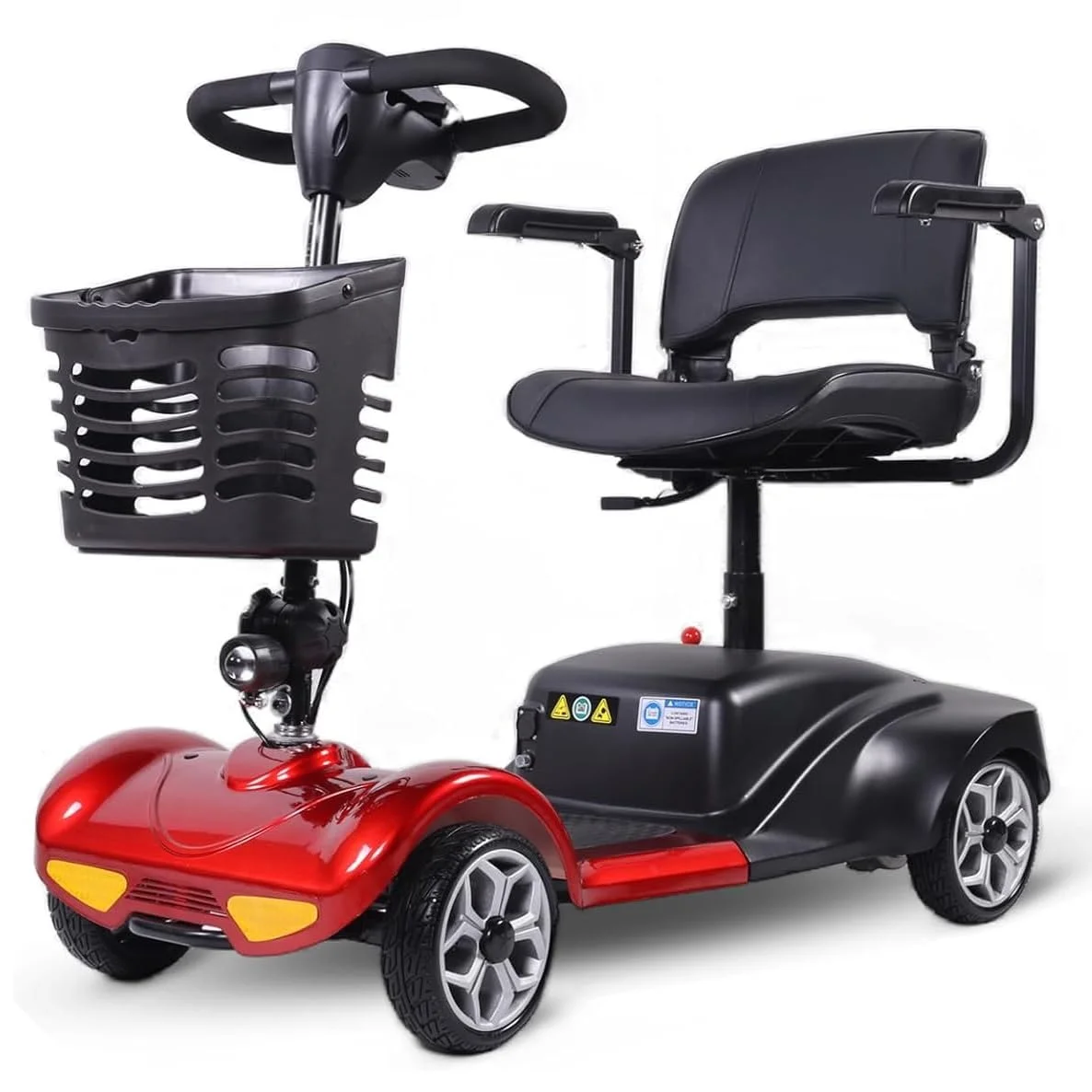
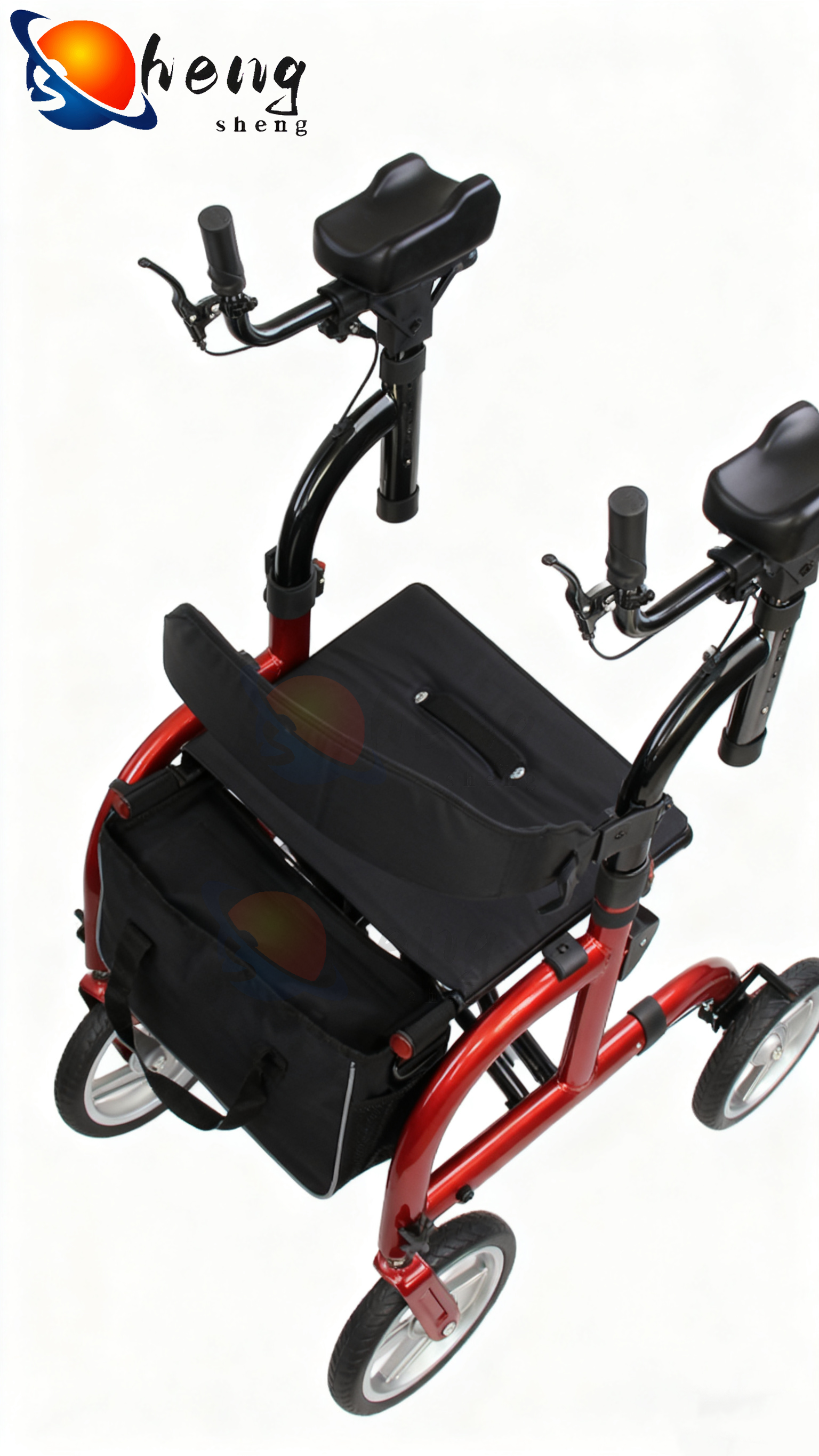
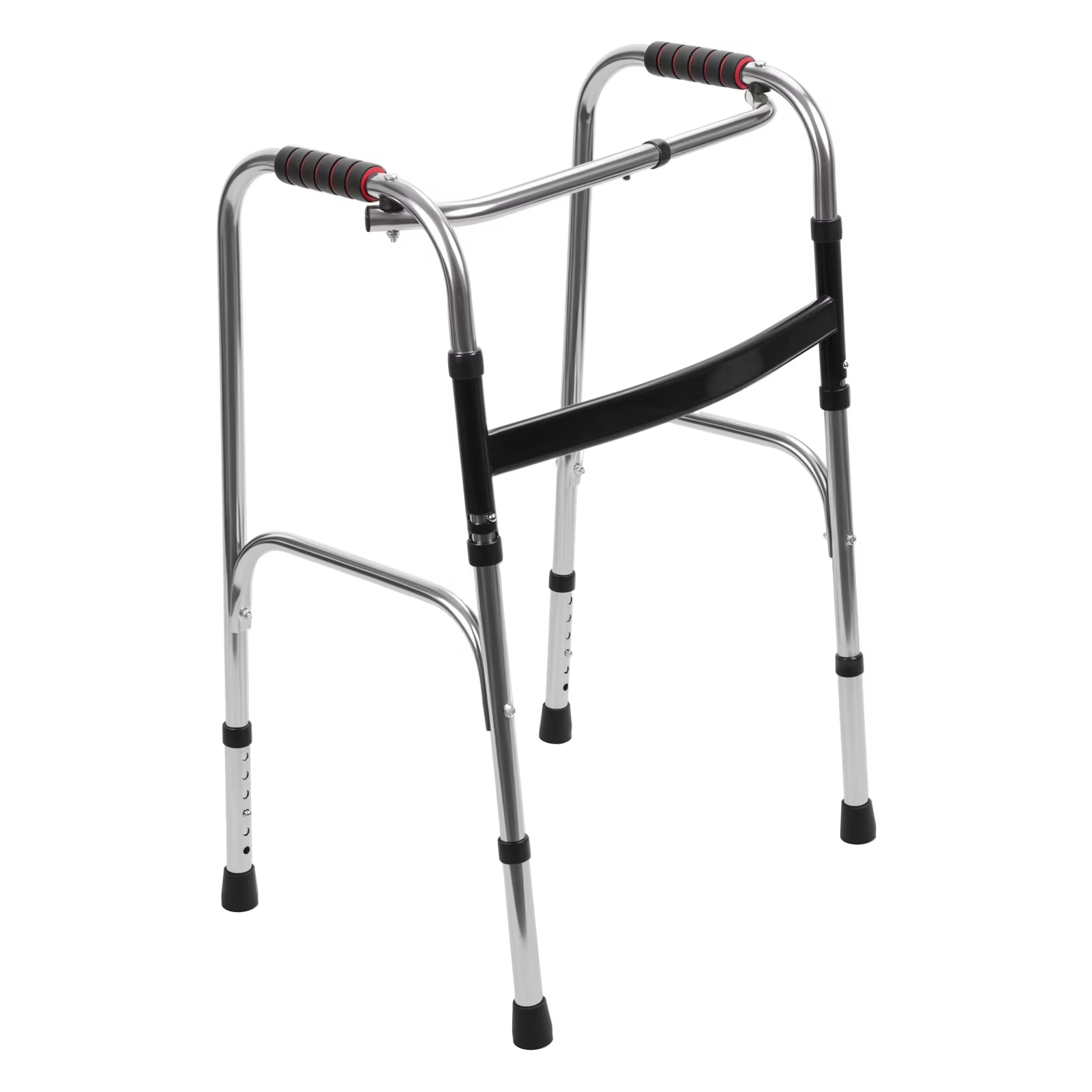
Electric walkers for seniors represent a revolutionary advancement in mobility assistance technology, combining traditional walking support with modern electric propulsion systems. These innovative devices are specifically designed to address the unique mobility challenges faced by elderly individuals, offering enhanced independence and safety during daily activities. Unlike conventional walkers that rely solely on upper body strength, electric walkers for seniors incorporate battery-powered motors that provide forward momentum, significantly reducing the physical effort required for movement. The primary functions of these devices include providing stable support for balance, delivering motorized assistance for forward motion, and offering adjustable speed controls to match individual walking preferences. Modern electric walkers for seniors feature sophisticated technological components such as lithium-ion batteries that provide extended operational time, typically lasting 6-8 hours on a single charge. Advanced models incorporate smart braking systems that automatically engage when users release the handlebar controls, ensuring immediate stopping capability for enhanced safety. Many units include LED lighting systems for improved visibility during low-light conditions, making them suitable for both indoor and outdoor use. The ergonomic design of electric walkers for seniors typically includes padded handgrips, adjustable height settings, and comfortable seating options for rest periods. Storage compartments are strategically placed to carry personal items, medications, or shopping purchases without compromising stability. Weight capacity generally ranges from 250 to 350 pounds, accommodating various body types while maintaining structural integrity. Applications for electric walkers for seniors extend across multiple environments, including residential settings, medical facilities, shopping centers, and outdoor recreational areas. These devices prove particularly valuable for individuals with conditions such as arthritis, chronic fatigue, or cardiovascular issues that limit traditional walking endurance.

 EN
EN