EN
EN



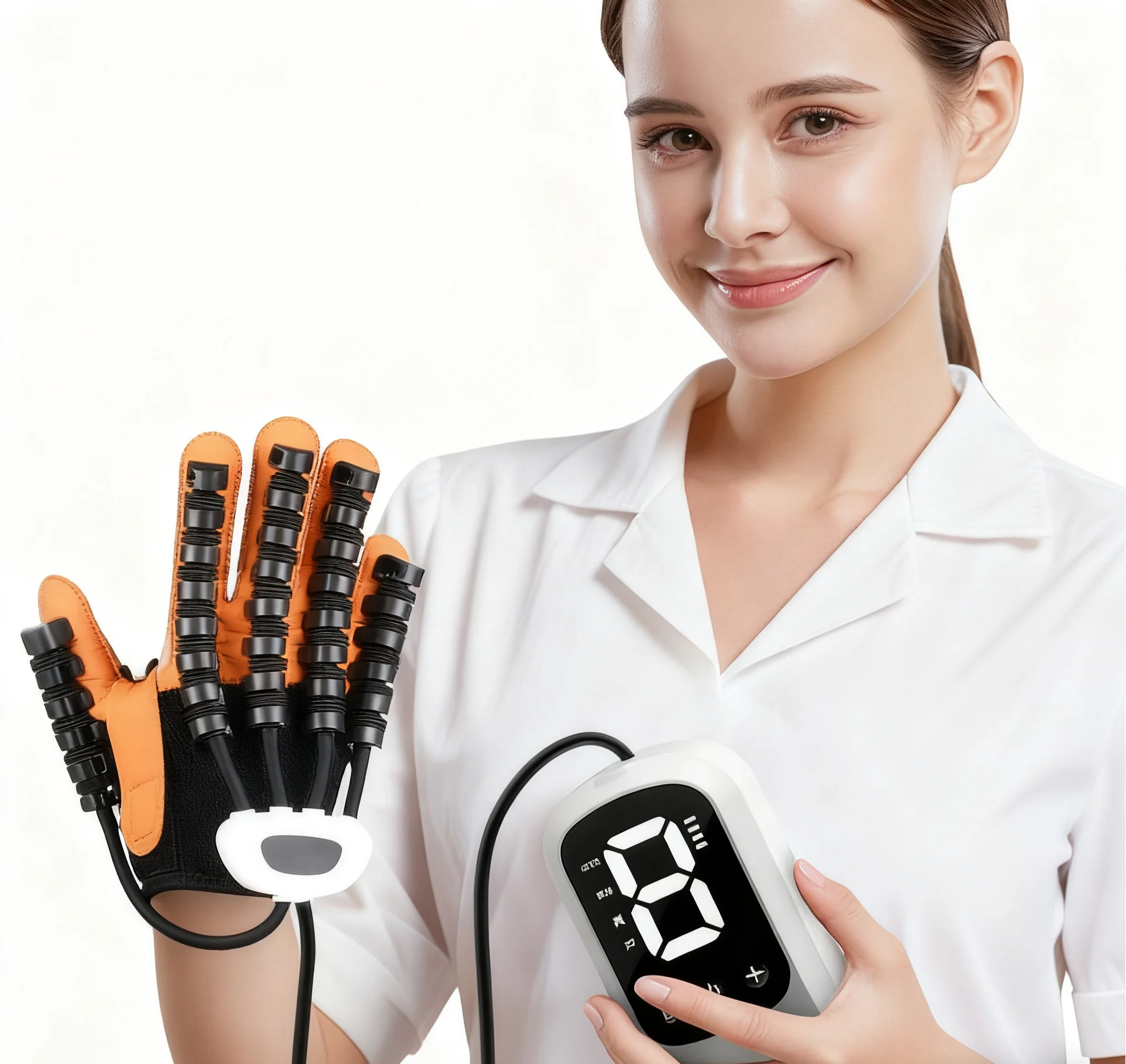
Ang rehabilitasyon ng kamay ay gumagampanan ng mahalagang papel sa pagtulong sa mga pasyente na maibalik ang kanilang motor function, lakas, at kasanayan sa paggalaw matapos ang mga sugat, operasyon, o mga kondisyong neurological. Sa bilang ng pinakabagong solusyon sa modernong pisioterapiya, ang mga guwantes para sa rehabilitasyon ng kamay ay sumulpot bilang mahahalagang kasangkapan na pinauunlad ng advanced na teknolohiya at epektibong terapeutikong benepisyo. Ang mga espesyalisadong device na ito ay nag-aalok ng target na tulong para sa paggalaw ng daliri, pagpapalakas ng kalamnan, at pagpapagana muli ng mga neural pathway, kaya’t napakahalaga nila sa parehong klinikal na setting at sa mga programa ng rehabilitasyon na isinasagawa sa bahay.
Pag-unawa sa Teknolohiya ng Rehabilitasyon ng Kamay
Ang Agham sa Likod ng Mga Terapeutikong Device para sa Kamay
Ang mga modernong guwantes para sa rehabilitasyon ng kamay ay gumagamit ng sopistikadong mga mekanismo upang mapadali ang kontroladong paggalaw ng mga daliri at aktibasyon ng mga kalamnan. Ang mga device na ito ay may kasamang mga sensor, actuator, at mga sistema ng feedback na kaya nang tukuyin ang layunin ng gumagamit at magbigay ng angkop na tulong o resistensya habang nag-e-exercise. Ang teknolohiyang ito ay nagbibigay-daan sa tiyak na kontrol sa indibidwal na paggalaw ng mga daliri, na nagpapahintulot sa mga therapist na i-customize ang mga protokol sa rehabilitasyon batay sa partikular na pangangailangan ng pasyente at antas ng paggaling.
Napapakita ng pananaliksik na ang paulit-ulit na paggamit ng mga guwantes para sa rehabilitasyon ng kamay ay maaaring makapagpabuti nang malaki sa mga resulta para sa mga pasyente na may iba’t ibang kondisyon, kabilang ang stroke, mga pinsala sa spinal cord, mga pinsala sa utak dahil sa trauma, at mga sitwasyon ng paggaling matapos ang operasyon. Gumagana ang mga device na ito sa pamamagitan ng pagpapastimula sa mga neural pathway gamit ang paulit-ulit at kontroladong paggalaw na tumutulong sa muling pagbuo ng mga koneksyon sa pagitan ng utak at mga kalamnan ng kamay.
Integrasyon sa Tradisyonal na Mga Paraan ng Terapiya
Ang mga guwantes para sa rehabilitasyon ng kamay ay nagpapalakas sa tradisyonal na mga pamamaraan ng pisioterapiya kaysa sa kumpleto nilang pagpapalit. Ang mga pisioterapist ay maaaring isama ang mga device na ito sa komprehensibong mga plano ng paggamot na may kasamang manuwal na terapiya, mga protokol sa ehersisyo, at mga aktibidad sa pampunkusyon na pagsasanay. Ang kombinasyong ito ng pamamaraan ay karaniwang nagdudulot ng mas mahusay na resulta kumpara sa paggamit ng alinman sa dalawang paraan nang mag-isa, dahil ito ay tumutugon sa maraming aspeto ng pagbangon ng kakayahan ng kamay nang sabay-sabay.
Ang mga klinikal na pag-aaral ay nagpakita na ang mga pasyente na gumagamit ng mga guwantes para sa rehabilitasyon ng kamay kasama ang konbensyonal na terapiya ay mas mabilis na umuunlad sa pagbawi ng lakas ng panghawak, kontrol sa maliliit na galaw, at kabuuang kakayahan ng kamay. Ang mga device na ito ay nagbibigay ng nakauukol na datos tungkol sa progreso ng pasyente, na nagpapahintulot sa mga terapist na gawin ang ebidensyang batay sa mga pag-aadjust sa mga protokol ng paggamot.
Mga Klinikal na Aplikasyon at Benepisyo sa Pasien
Paggaling mula sa Stroke at Neural na Rehabilitasyon
Ang mga tagapagtagpo ng stroke ay madalas na nakakaranas ng malalim na hamon sa pagganap ng kanilang kamay dahil sa pinsala sa mga sentro ng kontrol ng motor sa utak. Ang mga guwantes para sa rehabilitasyon ng kamay ay nagbibigay ng partikular na halaga para sa mga pasyenteng ito sa pamamagitan ng pagbibigay ng pare-parehong at paulit-ulit na pagpapastimulo na maaaring tumulong na i-rewire ang mga neural pathway gamit ang mga prinsipyo ng neuroplasticity. Ang mga device na ito ay maaaring tumulong sa parehong aktibong at pasibong mga ehersisyo sa saklaw ng galaw, na unti-unting nadadagdagan ang kalayaan ng pasyente habang tumatagal ang paggaling.
Ang pananim na pang-rehabilitasyon ng kamay ay partikular na epektibo para sa mga pasyente sa iba't ibang yugto ng paggaling, mula sa agad na pag-aalaga hanggang sa pangmatagalang pagpapanatili. Ang maagang interbensyon gamit ang mga device na ito ay maaaring pigilan ang atrophy ng kalamnan at rigidity ng kasukasuan habang hinahayaan ang mas mabilis na paggaling sa pagganap.
Mga Aplikasyon sa Rehabilitasyon Pagkatapos ng Operasyon
Pagkatapos ng mga operasyon sa kamay, kabilang ang pagkukumpuni ng mga tendon, paggamot sa mga buto na nabasag, o pagpapalit ng mga kasukasuan, kailangan ng mga pasyente ng maingat na kontroladong paggalaw upang maiwasan ang mga komplikasyon habang tinutulungan ang proseso ng paggaling. Ang mga guwantes para sa rehabilitasyon ng kamay ay nagbibigay ng tiyak na kontrol sa mga parameter ng galaw, na nagpapahintulot ng gradwal na pag-unlad mula sa mahinang pasibong galaw hanggang sa aktibong pagsasanay para sa paglakas habang gumagaling ang mga tissue at lumalaki ang toleransya.
Tumutulong ang mga device na ito na bawasan ang panganib ng mga komplikasyon matapos ang operasyon, tulad ng pagbuo ng mga adhesion, pagig rigid ng mga kasukasuan, at kahinaan ng mga kalamnan. Ang kontroladong kapaligiran na ibinibigay ng mga guwantes para sa rehabilitasyon ng kamay ay nagsisigurado na ang mga pasyente ay natatanggap ang angkop na terapeutikong stimulasyon nang hindi lumalampas sa ligtas na hangganan ng galaw sa panahon ng mahahalagang yugto ng paggaling.
Mga Katangian ng Teknolohiya at Mekanismo ng Terapiya
Advanced Sensor Integration
Ang mga modernong guwantes para sa hand rehab ay mayroong iba't ibang uri ng sensor upang masubaybayan ang pagganap ng pasyente at magbigay ng real-time na feedback. Natutukoy ng mga force sensor ang lakas ng pagkakahawak at presyon ng daliri, habang sinusubaybayan naman ng mga position sensor ang saklaw ng galaw at mga pattern ng paggalaw. Ang komprehensibong kakayahang ito sa pagsubaybay ay nagbibigay-daan para sa tumpak na pagsasaayos ng mga therapeutic parameter at obhetibong pagsukat ng pag-unlad ng pasyente sa paglipas ng panahon.
Ang data mula sa mga sensor ay nagpapahintulot sa mga tagapagbigay ng serbisyo sa kalusugan na magtakda ng mga panimulang sukatan, subaybayan ang mga trend ng pag-unlad, at kilalanin ang mga lugar na nangangailangan ng tiyak na atensyon. Ang obhetibong pamamaraan sa pagtataya ng rehabilitasyon na ito ay tumutulong na i-optimize ang mga protokol ng paggamot at ipakita ang mga nasusukat na resulta para sa parehong pasyente at mga koponan ng pangangalagang pangkalusugan.
Nakapag-aadjust na Programa ng Pagsasanay
Ang mga guwantes para sa rehabilitasyon ng kamay ay nag-aalok ng malawak na mga opsyon sa pagpapasadya na nagpapahintulot sa mga therapist na lumikha ng mga protokol sa pagsasanay na nakabatay sa indibidwal na pasyente. Ang mga parameter tulad ng antas ng tulong, mga setting ng resistensya, bilis ng galaw, at tagal ng pagsasanay ay maaaring i-adjust batay sa mga indibidwal na pangangailangan ng pasyente, kalubusan ng sugat, at mga layunin sa paggaling. Ang personalisasyong ito ay nagsisiguro na ang bawat pasyente ay natatanggap ang pinakamainam na terapeutikong hamon nang hindi nakakapagdulot ng sobrang pagpapaginhawa o pagkaantala sa paggaling.
Ang mga kakayahan sa progresibong pag-program ay nagpapahintulot sa gradwal na pagtaas ng kahirapan ng pagsasanay habang ang mga pasyente ay sumusulong, na panatilihin ang terapeutikong hamon sa buong proseso ng paggaling. Ang mga awtomatikong algoritmo para sa progresyon ay maaaring i-adjust ang mga parameter batay sa mga sukatan ng pagganap, na nagsisiguro ng pare-parehong pag-unlad patungo sa mga layuning pang-fungsyon.
Pagsasama sa mga Setting ng Pangangalagang Pangkalusugan
Mga Estratehiya sa Klinikal na Pagsasama
Ang matagumpay na pagpapatupad ng mga guwantes para sa rehabilitasyon ng kamay sa mga pasilidad ng pangangalagang pangkalusugan ay nangangailangan ng maingat na pagsasaalang-alang sa integrasyon ng daloy ng trabaho, pagsasanay ng mga tauhan, at mga sangkap ng edukasyon para sa pasyente. Ang mga koponan ng pangangalagang pangkalusugan ay kailangang magbuo ng mga protokol para sa pag-setup ng device, pagtataya sa pasyente, pagreseta ng mga ehersisyo, at pagsubaybay sa progreso upang makamaksimisa ang mga benepisyong panggamot habang tiyakin ang ligtas na operasyon.
Ang mga programa sa pagsasanay para sa mga therapist at mga tagapaglingkod sa pangangalagang pangkalusugan ay dapat saklawin ang teknikal na operasyon, mga prosedurang pangkaligtasan, mga paraan ng pagtutulungan sa mga problema, at mga kasanayan sa interpretasyon ng datos. Ang tamang paghahanda ng mga tauhan ay nagtiyak ng kumpiyansa sa paggamit ng mga guwantes para sa rehabilitasyon ng kamay at ng optimal na resulta para sa pasyente, samantalang binabawasan ang mga teknikal na problema o mga alalang pangkaligtasan.
Edukasyon sa Pasintang at Pagtupad
Ang pag-unawa at pakikilahok ng pasyente ay gumaganap ng mahalagang papel sa tagumpay ng rehabilitasyon gamit ang mga guwantes para sa rehab ng kamay. Ang komprehensibong mga programa sa edukasyon ay dapat magpaliwanag ng mga tungkulin ng device, inaasahang mga benepisyo, tamang pamamaraan ng paggamit, at mga konsiderasyon sa kaligtasan. Ang malinaw na komunikasyon tungkol sa mga layunin ng paggamot at inaasahang progreso ay tumutulong na panatilihin ang motibasyon ng pasyente sa buong mahabang panahon ng rehabilitasyon.
Ang mga programa para sa paggamit sa tahanan ng mga guwantes para sa rehab ng kamay ay nangangailangan ng karagdagang mga sangkap sa edukasyon, kabilang ang pangangalaga sa device, mga hakbang sa pagtukoy at paglutas ng problema (troubleshooting), at mga protokol sa komunikasyon sa mga provider ng serbisyo sa kalusugan. Ang mga kakayahan sa remote monitoring ay nagpapahintulot sa patuloy na pagsupil ng propesyonal habang pinapayagan ang mga pasyente na panatilihin ang pare-parehong iskedyul ng terapiya sa kanilang pamilyar na kapaligiran.
Mga Pamantayan at Konsiderasyon sa Pagpili
Mga Tiyak na Teknikal na Katangian at Mga Feature ng Device
Ang pagpili ng angkop na guwantes para sa rehabilitasyon ng kamay ay nangangailangan ng maingat na pagsusuri sa mga teknikal na tukoy, mga kakayahan sa terapiya, at mga pangangailangan na partikular sa pasyente. Ang mga pangunahing konsiderasyon ay kinabibilangan ng saklaw ng galaw, mga tukoy sa output ng puwersa, katiyakan ng mga sensor, buhay ng baterya, at mga tampok ng software. Ang pagkakasundo ng device sa umiiral na mga sistema ng pangangalagang pangkalusugan at mga platform sa pamamahala ng datos ay nakaaapekto rin sa mga desisyon sa pagpili.
Ang kakayahang i-adjust ang sukat at mga tampok na nagbibigay komportable ay mahalaga para sa pagtanggap at pagsunod ng pasyente, lalo na sa mga sitwasyon kung saan gagamitin ito nang matagal. Dapat maitugma ng mga guwantes para sa rehabilitasyon ng kamay ang iba’t ibang sukat at hugis ng kamay habang pinapanatili ang tamang posisyon ng mga sensor at epektibong terapiya sa buong panahon ng mahabang paggamit.
Kabillangan at Balik-pananakop ng Paggastos
Ang mga pasilidad sa pangangalagang pangkalusugan ay kailangang isaalang-alang ang parehong paunang gastos sa pagkakakuha at ang pangmatagalang gastos sa operasyon kapag sinusuri ang mga guwantes para sa rehabilitasyon ng kamay. Ang mga salik tulad ng haba ng buhay ng device, mga kinakailangan sa pagpapanatili, mga gastos sa pagsasanay, at potensyal na pagbawas sa oras ng therapy ay nakaaapekto sa kabuuang pagkalkula ng cost-effectiveness. Ang pagpapabuti ng mga resulta sa pasyente at ang pagbawas sa tagal ng therapy ay maaaring kompensahin ang paunang gastos sa pamumuhunan sa pamamagitan ng mas mataas na kahusayan at mas mahusay na paggamit ng mga yaman.
Ang saklaw ng insurance at mga patakaran sa reimbursement para sa mga guwantes para sa rehabilitasyon ng kamay ay nag-iiba depende sa rehiyon at sistema ng pangangalagang pangkalusugan, kaya kailangang mabuti itong suriin sa panahon ng pagpaplano ng pagbili. Ang dokumentasyon ng mga klinikal na resulta at pagtitipid sa gastos ay tumutulong na ipaliwanag ang mga desisyon sa pamumuhunan at suportahan ang mga aplikasyon para sa reimbursement.
Mga hinaharap na pag-unlad at mga pagbabago
Pagsasama ng Bago't Nakakabagong Teknolohiya
Ang hinaharap ng mga guwantes para sa rehabilitasyon ng kamay ay kasama ang integrasyon sa artificial intelligence, virtual reality, at mga inobasyon sa advanced materials science. Ang mga algorithm ng machine learning ay magpapahintulot ng mas sopistikadong pagtataya sa pasyente, personalisadong pagreseta ng mga ehersisyo, at predictive outcome modeling. Ang mga unang hakbang na ito ay nangangako na lalo pang mapabuti ang epektibidad ng terapiya habang binabawasan ang pasanin sa mga tagapagbigay ng serbisyo sa kalusugan.
Ang integrasyon ng virtual reality sa mga guwantes para sa rehabilitasyon ng kamay ay nag-aalok ng malalim at immersive na karanasan sa terapiya na maaaring mapabuti ang pakikilahok at motibasyon ng pasyente habang nasa sesyon ng rehabilitasyon. Ang mga elemento ng gamification at interaktibong kapaligiran ay maaaring tumulong na panatilihin ang pare-parehong pakikilahok sa mga programa ng terapiya habang nagbibigay ng obhetibong mga sukatan ng pagganap.
Palawak na mga Klinikal na Aplikasyon
Patuloy ang pananaliksik upang matukoy ang mga bagong aplikasyon ng mga guwantes para sa rehabilitasyon ng kamay na lampas sa tradisyonal na mga senaryo ng rehabilitasyon. Kasama sa potensyal na mga gamit ang preventive therapy para sa mga populasyon na nasa panganib, mga programa para sa pagpapanatili ng kalusugan para sa mga karamdaman na pangmatagalan, at pagpapabuti ng pagganap para sa mga espesyalisadong propesyon na nangangailangan ng mahusay na kasanayan sa manipis na kilos. Ang mga palawak na aplikasyong ito ay maaaring makapagdulot ng malaking pagtaas sa epekto at paggamit ng teknolohiya para sa rehabilitasyon ng kamay.
Ang pagbuo ng mga guwantes para sa rehabilitasyon ng kamay na partikular na idinisenyo para sa mga bata ay tumutugon sa natatanging pangangailangan ng mga batang pasyente na may mga kongenital na kondisyon, pagkaantala sa pag-unlad, o mga nakuhang sugat. Ang mga disenyo na kaangkop sa mga bata at mga tampok sa programming na angkop sa edad ay magpapalawak sa access sa mataas na antas ng teknolohiya para sa rehabilitasyon para sa mga vulnerable na populasyon.
Madalas Itanong
Ilang oras kada araw ang dapat gamitin ng mga pasyente ang mga guwantes para sa rehabilitasyon ng kamay
Ang pang-araw-araw na tagal ng paggamit ng mga guwantes para sa rehabilitasyon ng kamay ay karaniwang nasa pagitan ng 30 minuto hanggang 2 oras, depende sa kalagayan ng pasyente, kah toleransya, at mga layunin ng terapiya. Ang karamihan sa mga protokol sa rehabilitasyon ay nagrerekomenda na magsimula sa mas maikling sesyon na 15–20 minuto at unti-unting dagdagan ang tagal habang ang mga pasyente ay umaangkop sa device. Dapat itakda ng mga provider ng serbisyo sa kalusugan ang mga indibidwal na iskedyul batay sa pagsusuri sa pasyente at pagsubaybay sa progreso.
Ang mga guwantes para sa rehabilitasyon ng kamay ba ay angkop para sa lahat ng uri ng sugat sa kamay
Ang mga guwantes para sa rehabilitasyon ng kamay ay angkop para sa maraming kondisyon tulad ng paggaling mula sa stroke, mga pinsala sa spinal cord, arthritis, rehabilitasyon matapos ang operasyon, at mga neurological na disorder. Gayunpaman, ang ilang acute na pinsala, bukas na sugat, matinding edema, o tiyak na medikal na contraindication ay maaaring magpabawal sa kanilang paggamit. Dapat gawin ng mga provider ng serbisyo sa kalusugan ang isang lubos na pagsusuri bago ipreskribahan ang mga guwantes para sa rehabilitasyon ng kamay upang matiyak ang kaligtasan at angkopness nito.
Maaari bang gamitin ng mga pasyente ang mga guwantes para sa rehabilitasyon ng kamay sa bahay nang walang pangangasiwa?
Maraming guwantes para sa rehabilitasyon ng kamay ang idinisenyo para sa paggamit sa bahay matapos ang tamang pagsasanay at pag-setup ng mga propesyonal sa pangangalagang pangkalusugan. Ang mga kakayahan sa pagsubaybay mula sa malayo at mga tampok para sa kaligtasan ay nagpapahintulot sa independiyenteng paggamit habang pinapanatili ang pamamahala ng mga propesyonal. Dapat bigyan ng komprehensibong edukasyon ang mga pasyente tungkol sa operasyon ng device, mga prosedurang pangkaligtasan, at mga protocolo sa komunikasyon kasama ang kanilang koponan ng pangangalagang pangkalusugan bago simulan ang mga sesyon ng terapiya sa bahay nang walang direktang pangangasiwa.
Ano ang mga kinakailangang pangangalaga para sa mga guwantes para sa rehabilitasyon ng kamay?
Ang regular na pangangalaga para sa mga guwantes para sa rehabilitasyon ng kamay ay kasama ang mga prosedura sa paglilinis, pamamahala ng baterya, kalibrasyon ng sensor, at mga update ng software. Karamihan sa mga device ay nangangailangan ng araw-araw na paglilinis gamit ang mga opisyal na disinfectant, siklo ng pag-charge ng baterya kada linggo, at periodicong pagsusuri ng kalibrasyon ng mga propesyonal. Dapat magtakda ang mga pasilidad ng pangangalagang pangkalusugan ng mga iskedyul para sa pangangalaga at magtalaga ng mga nakasanayang tauhan upang matiyak ang optimal na pagganap ng device at kaligtasan ng pasyente.
Talaan ng Nilalaman
- Pag-unawa sa Teknolohiya ng Rehabilitasyon ng Kamay
- Mga Klinikal na Aplikasyon at Benepisyo sa Pasien
- Mga Katangian ng Teknolohiya at Mekanismo ng Terapiya
- Pagsasama sa mga Setting ng Pangangalagang Pangkalusugan
- Mga Pamantayan at Konsiderasyon sa Pagpili
- Mga hinaharap na pag-unlad at mga pagbabago
-
Madalas Itanong
- Ilang oras kada araw ang dapat gamitin ng mga pasyente ang mga guwantes para sa rehabilitasyon ng kamay
- Ang mga guwantes para sa rehabilitasyon ng kamay ba ay angkop para sa lahat ng uri ng sugat sa kamay
- Maaari bang gamitin ng mga pasyente ang mga guwantes para sa rehabilitasyon ng kamay sa bahay nang walang pangangasiwa?
- Ano ang mga kinakailangang pangangalaga para sa mga guwantes para sa rehabilitasyon ng kamay?